
Organic Skincare: What Actually Matters
Organic skincare is a crowded market full of vague claims. Here's what to look for, what to avoid, and when the premium pays off.
Organic skincare is one of the largest and most confusing categories of organic products. The word "organic" is not legally regulated for cosmetics in most markets, which means "organic skincare" means whatever a brand says it means, unless a real third-party certification is attached.
The Certification Reality

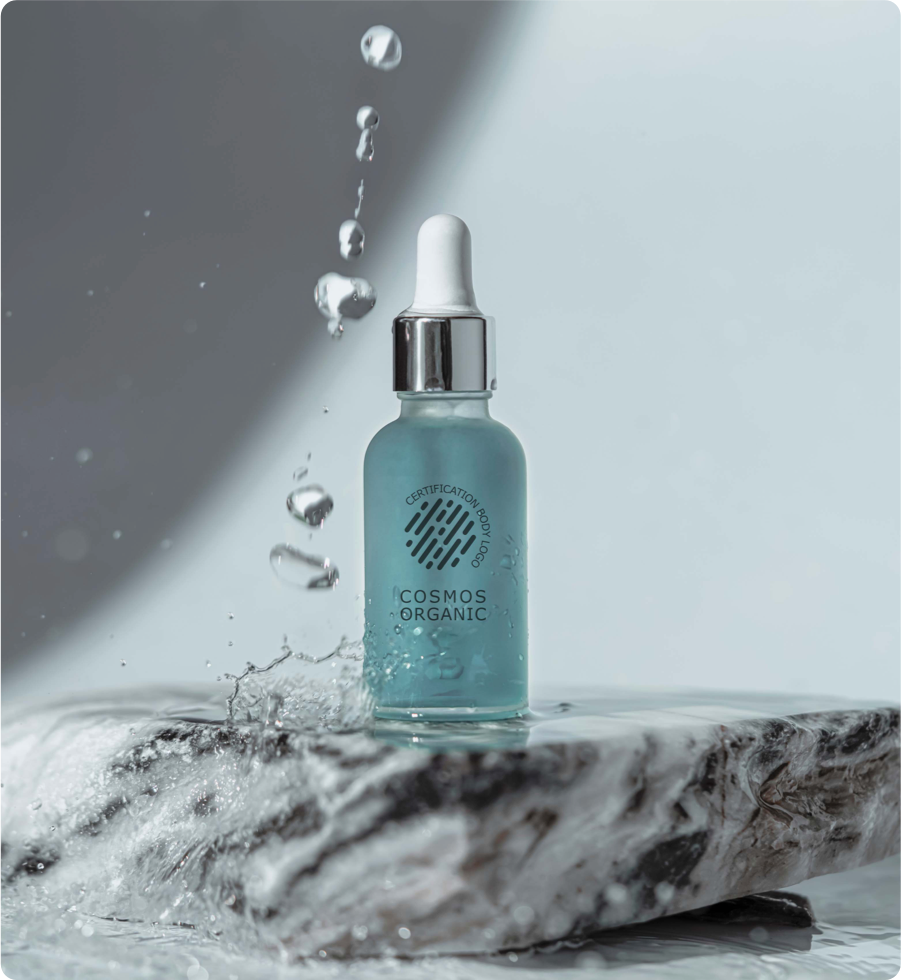
In most countries, "organic" on a food label is legally protected. On a cosmetic label, it often isn't. This creates a supply gap filled by private certifications:
COSMOS Organic (most common in Europe): Requires 95% of physically processed agricultural ingredients to be organic, plus at least 20% of the total product from organic farming (10% for rinse-off products or products that are mostly mineral). No GMOs, restricted petrochemicals, no contentious preservatives.
COSMOS Natural (same body, lower tier): Restricts the same synthetics as COSMOS Organic but has no minimum organic-farming percentage.
NATRUE (Europe): Two active tiers, "Natural" (no organic minimum, strict natural-ingredient rules) and "Organic" (at least 95% of ingredients from nature must come from organic farming). The older middle "Natural with Organic Portion" tier was retired in 2023.
Ecocert (France, global): French certifier that co-founded COSMOS and now certifies to the COSMOS standard, the older standalone "Ecocert Natural & Organic Cosmetic" standard has been absorbed into COSMOS.
Soil Association (UK): Strict, with searchable license database.
USDA Organic for cosmetics: Same as food organic rules. Rarely used because cosmetics often contain ingredients (vitamins, preservatives) that can't meet food-grade organic standards.
The gap between these tiers matters. A product labeled "natural" with no certification has met no standard. A product labeled "COSMOS Organic" has met a rigorous set of criteria.
What These Certifications Actually Prohibit
Across the major organic cosmetic standards, the banned list includes:
- Synthetic fragrance (at the ingredient level, not just total fragrance loading)
- Parabens (methylparaben, propylparaben, etc.)
- Phthalates
- Sulfates (SLS/SLES, though exceptions exist for some mild sulfates)
- Formaldehyde-releasing preservatives (DMDM hydantoin, imidazolidinyl urea, etc.)
- Synthetic colors from petrochemical sources
- PEGs (polyethylene glycols), mostly prohibited
- Silicones (cyclomethicone, dimethicone, etc.)
- Mineral oil and petrolatum (petroleum derivatives)
- BHA, BHT (synthetic antioxidants)
- Triclosan
- Microplastics
These aren't necessarily dangerous at cosmetic doses. The organic cosmetic standards are conservative, they exclude ingredients that have either shown concerning effects or lack long-term safety data. Reasonable people can disagree about whether this conservatism is scientifically calibrated. What's not in dispute is that organic-certified cosmetics contain far fewer synthetics than conventional cosmetics.
What Organic Cosmetics Can Contain
- Plant extracts, oils, and butters (if the plants were organically grown)
- Beeswax and other animal-derived ingredients from organic sources
- A short list of permitted natural preservatives (benzyl alcohol, dehydroacetic acid, sodium benzoate, potassium sorbate, etc.)
- Essential oils (with labeling requirements for allergens)
- Naturally derived surfactants (decyl glucoside, coco glucoside, etc.)
- Carbon dioxide and ethanol (for extraction)
- Minerals (iron oxides, titanium dioxide, zinc oxide for mineral sunscreens)
The Honest Truth About Organic Cosmetics
Several uncomfortable facts worth naming:
1. Natural is not automatically safe. Essential oils are potent allergens. Lavender oil causes contact dermatitis in a small percentage of users. A 2007 NEJM case series and later cell-line studies linked lavender and tea tree oils to endocrine effects in young children; more recent systematic reviews consider a population-scale causal link unestablished. "Natural" does not mean hypoallergenic, but alarmist framing also isn't warranted.
2. Organic cosmetics can cause more reactions. Because organic formulations often rely on botanical actives, they can trigger more allergies than minimally formulated synthetic products. People with sensitive skin sometimes do better on fragrance-free conventional products than fragrance-containing "natural" ones.
3. Effectiveness varies. Some organic formulations are genuinely excellent. Others underperform because of preservative limitations that shorten shelf life or because certified alternatives to certain actives don't exist.
4. Greenwashing is rampant. "Natural," "plant-based," "clean," "botanical", none of these terms are regulated. Only specific certifications (COSMOS, NATRUE, Ecocert, USDA Organic, Soil Association) guarantee meaningful standards.
Categories Worth Buying Organic
Highest priority:
- Leave-on products (moisturizers, serums, body lotions, oils), on skin for hours, more ingredients absorbed
- Lip products, some amount is swallowed
- Baby and children's skincare, developing systems, higher relative exposure per body weight
Medium priority:
- Deodorants, on skin all day, applied to sensitive areas
- Face cleansers, short contact but frequent use
- Sunscreens, applied to large surface area, absorbed over hours
Lower priority:
- Shampoo and conditioner, rinse-off, brief contact
- Body wash, rinse-off
- Products applied briefly to small areas (eye makeup, lip gloss used rarely)
Brands Worth Knowing
Genuinely organic-focused:
- Weleda (NATRUE, Demeter for some products)
- Dr. Hauschka (NATRUE)
- Pai Skincare (COSMOS Organic)
- Tata Harper (Ecocert, various certifications)
- Evolve Organic Beauty (Soil Association)
- Akamuti (Soil Association, small-batch)
Mid-range with strong organic programs:
- Burt's Bees (some organic lines, others just "natural")
- Dr. Bronner's (some organic products, all fair-trade)
- Herbivore (some organic certified products, mostly "clean")
Avoid as organic claims:
- Most "clean beauty" brands without specific certifications
- Supermarket brands claiming "natural" without third-party verification
- Celebrity-endorsed "organic" lines without COSMOS or equivalent
Reading a Cosmetic Ingredient List
Ingredients appear in descending order by weight (down to 1%, below which they can be in any order). Key things to check:
- Is the first ingredient water or aloe? Most face creams and lotions are mostly water. Not automatically bad, but the marketing often implies higher actives content than the ingredient list supports.
- Is the organic ingredient high on the list? A cream marketing "organic chamomile" that lists chamomile as ingredient 18 is mostly not chamomile.
- How many total ingredients? Shorter ingredient lists are often safer for sensitive skin.
- Are allergens disclosed? The EU requires 26 fragrance allergens to be listed specifically if present above certain levels. US labeling is more lenient.
The Cost Question
Organic cosmetics typically cost 30–100% more than conventional. The premium reflects:
- Ingredient sourcing (organic botanicals cost meaningfully more than their conventional equivalents)
- Certification fees (tiered by revenue and SKU count, but non-trivial for small brands)
- Smaller production runs
- Shorter shelf lives requiring faster inventory turnover
- Brand positioning (some of the premium is marketing, honestly)
For many products, the practical difference in your life is modest. For a few categories (skincare you use daily, products applied to large areas, baby products), the shift to genuine organic can be meaningful over time.
The Takeaway
Organic cosmetics can be genuinely better for sensitive skin, for people with specific ingredient concerns, or for those who want to reduce cumulative exposure to synthetics. They're not magically better than all conventional products. They can still cause reactions. They're often expensive. Shop with a certification logo as the filter, not a marketing term. Start with daily leave-on products. Read the ingredient list. If you have sensitive skin, test one category at a time. And don't let "organic" on the label substitute for reading what's actually in the bottle.
Keep reading
More from our library on cosmetics.
Decoding Cosmetics Labels: A Practical Guide
INCI lists, organic percentages, allergen declarations, how to read a cosmetic label and understand what you're actually buying.
ReadOrganic Haircare Worth Trying
Organic shampoo, conditioner, and styling products, what the category offers, what to avoid, and when the premium is worth it.
ReadThe Organic Sunscreen Dilemma
Mineral vs. chemical, reef-safe vs. not, organic vs. conventional, a practical guide to navigating sunscreen labels.
Read