The Complete Guide to Organic Certification Logos
USDA, EU leaf, Demeter, JAS, Tun, what every organic logo means, who issues them, and how to verify they're legitimate.
Walk into any modern supermarket and you'll see half a dozen organic seals fighting for attention. Most shoppers treat them as interchangeable. They're not. Each logo represents a different legal framework, a different set of rules, and a different level of trust.
The USDA Organic Seal
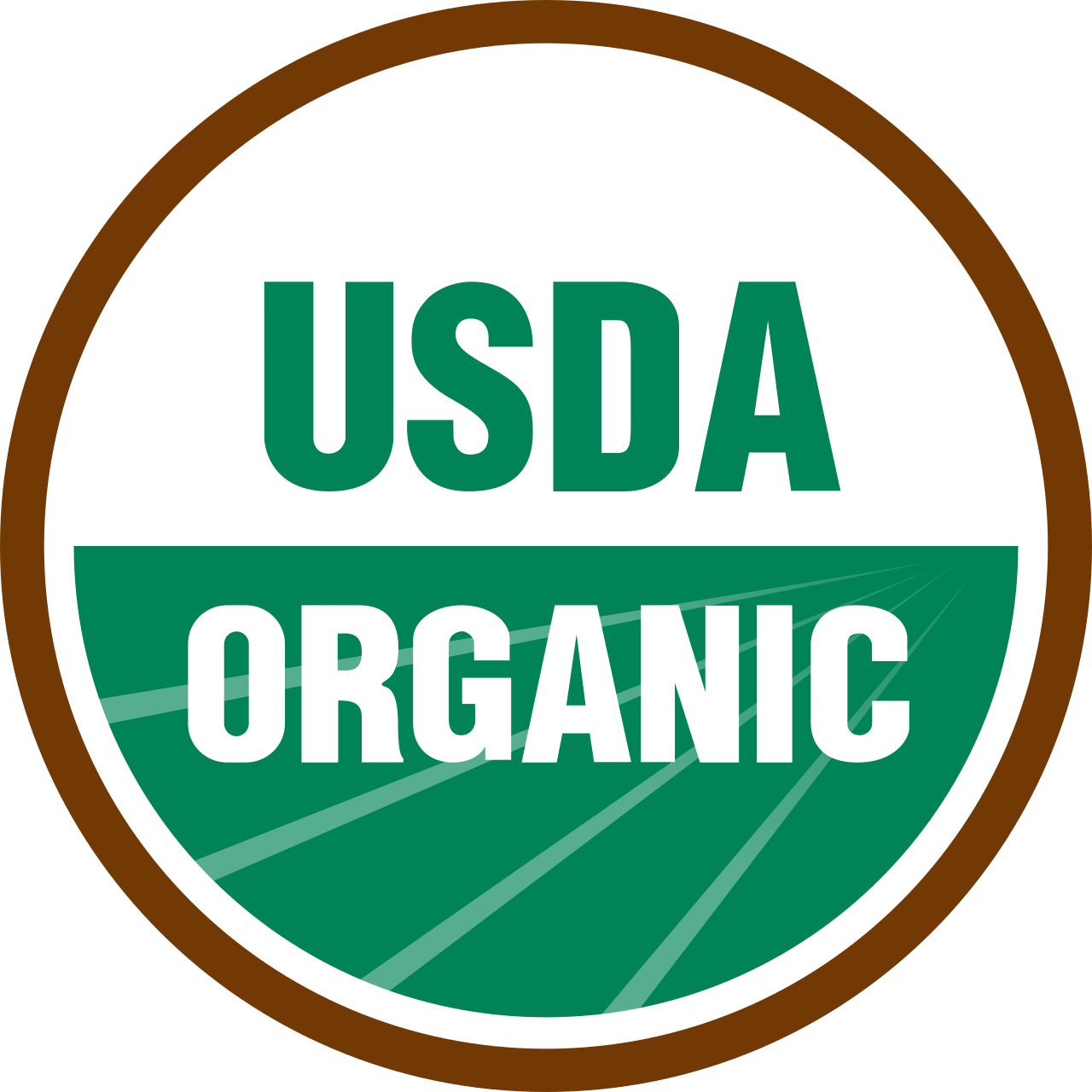
The green-and-white USDA seal is the most recognized organic logo in the world. For a product to carry it, at least 95% of ingredients must be certified organic by weight (excluding water and salt). Farms face a three-year (36-month) transition period during which no prohibited substances may be applied. Total annual certification costs typically run $750–$3,500 depending on operation size, inspection fees alone are usually $300–$1,000, with the rest covering application, renewal, and sales-based assessments. USDA's Organic Certification Cost Share Program reimburses up to 75% (capped at $750 per scope). The banned substances list is extensive: synthetic fertilizers, most synthetic pesticides, GMOs, sewage sludge, irradiation, and routine antibiotics.
USDA labeling has three tiers:
- 100% Organic: Every ingredient certified organic
- Organic (the seal without qualifier): 95%+ organic ingredients
- Made with Organic [ingredient]: 70–94% organic, cannot carry the seal on the front
The EU Organic Leaf
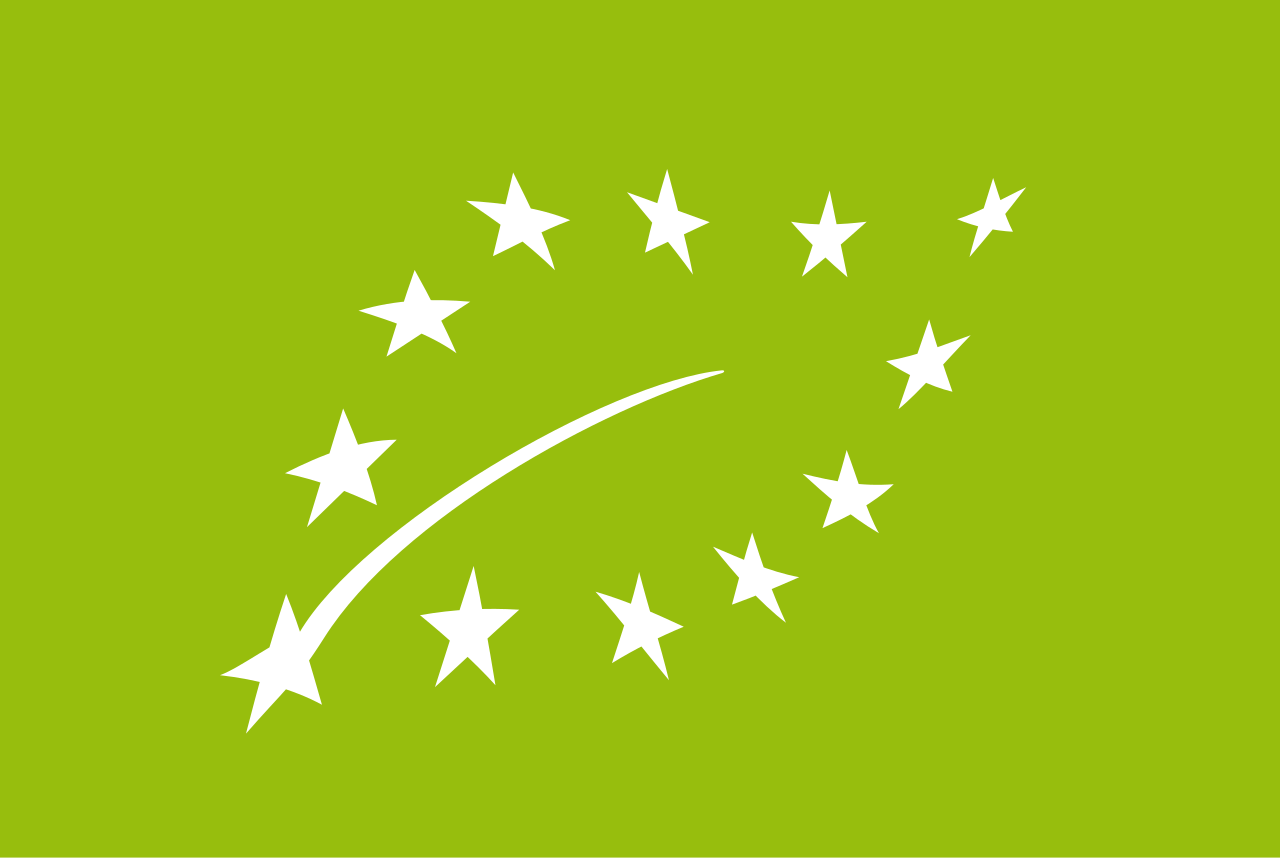
The EU's green rectangle with twelve stars arranged as a leaf has been mandatory on pre-packaged organic food sold in EU countries since 2010. Current rules live in Regulation 2018/848. EU standards are stricter than USDA on several points: lower livestock density limits, a shorter additive list (~60 substances vs ~250 under USDA). Next to the EU leaf you'll always see two important details: the certification body code and the origin statement ("EU Agriculture," "Non-EU Agriculture," or a country name).
Icelandic Tun (Vottunarstofan Tun)
For products grown or processed in Iceland, the certifier is Vottunarstofan Tún, established 1994. Tún certifies fully within the framework of EU organic legislation (Regulation 2018/848), adapted to Icelandic conditions: the long summer grazing tradition for sheep aligns naturally with organic livestock requirements, and geothermal greenhouse heating is permitted as a low-impact energy source. Since June 2023, the full Icelandic certification registry is maintained inside the EU's TRACES NT database.
Demeter (Biodynamic)
Demeter certifies biodynamic farming, organic plus prescribed preparations and attention to astronomical cycles. The agronomic elements (heavy composting, cover cropping) are genuinely beneficial. The cosmic-cycle elements have weak scientific support. Demeter products typically sell at a 10–30% premium over standard organic, though some specialty items run higher.
JAS, Canada Organic, and Mutual Recognition
Japan's JAS mark and Canada's red maple leaf in a green circle both have mutual recognition agreements with USDA and the EU. Products certified under one system can be sold in another without re-certification.
Verifying a Certification Is Real
Every legitimate organic logo has a certification body name, a reference number, or both. If a product has a green leaf with no accompanying text, it's probably a marketing graphic, not a certification. You can verify USDA certifiers through the Organic Integrity Database; EU certifications through TRACES; Tun through its public operator list.
Certifications That Aren't Organic
- Non-GMO Project Verified: Confirms no GMOs but not organic cultivation
- Fair Trade: Social and economic standards, not cultivation methods
- Rainforest Alliance: Sustainability certification that allows many synthetic inputs prohibited under organic rules
- Animal Welfare Approved: Welfare, not organic
The Bottom Line
The organic logos that carry legal weight are: USDA Organic, EU Organic leaf, JAS, Canada Organic, and national equivalents like Tun. Demeter is a stricter private standard. Anything else, a vague green leaf, a "natural" claim, a logo you don't recognize, is not an organic certification. Take thirty seconds to find the certifier name and reference number. It tells you what a dozen decorative leaves cannot.
Keep reading
More from our library on certification.
GOTS vs. OEKO-TEX: What Textile Labels Really Mean
Two logos everyone confuses. One certifies organic. The other certifies the absence of harmful substances. The difference matters.
ReadNordic Swan: The Nordic Eco-Label Explained
The Scandinavian eco-label on cleaning products, paper, and textiles, what Svanurinn certifies and why it matters in Iceland.
ReadOrganic vs. Natural: The Label That Lies
"Natural" is the most abused word in the grocery store. Here's why it means almost nothing, and what to look for instead.
Read