Organic vs. Natural: The Label That Lies
"Natural" is the most abused word in the grocery store. Here's why it means almost nothing, and what to look for instead.
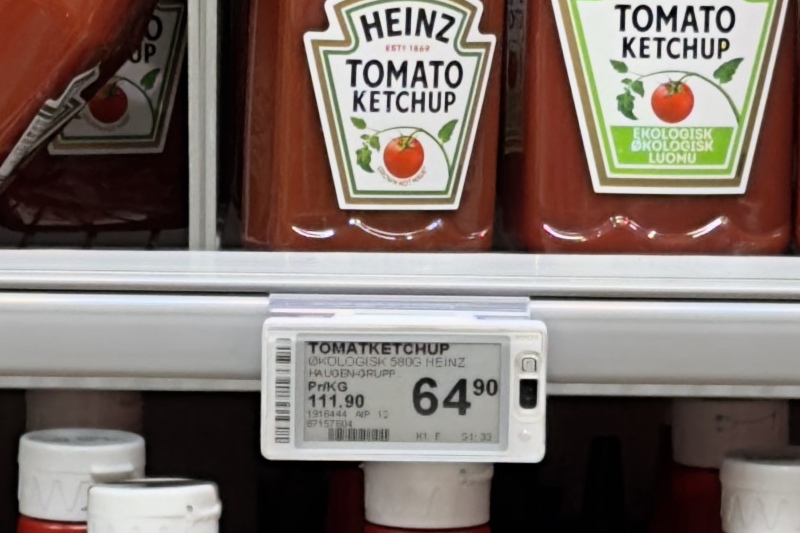
Walk down any grocery aisle and count the products labeled "natural." You'll run out of fingers before you run out of packages. "All-Natural," "100% Natural," "Made with Natural Ingredients", on cereal, cleaning spray, shampoo, lunch meat. It means almost nothing.
What "Natural" Legally Means
In the US, the FDA has no formal regulation defining "natural" for food. Its longstanding informal policy is that "natural" means "nothing artificial or synthetic has been included", but this is a policy position, not a rule, and it isn't actively enforced. In 2015 FDA issued a request for comments on a possible definition; no rule has ever followed. For cosmetics, the FDA has no definition for "natural" at all. For cleaning products, no US or EU agency defines it either. The word can appear on almost any product regardless of composition.
"Natural" isn't legally defined for most EU consumer goods either. Misleading-label complaints are handled under the Unfair Commercial Practices Directive (2005/29/EC) and national advertising regulators, typically after products are already on the market.
What "Organic" Legally Means
"Organic" is one of the most tightly regulated words in consumer goods, for food. In the US, a food product can only be labeled "organic" if certified under the USDA National Organic Program. Annual inspections. Prohibited substances list. Three-year (36-month) transition period. Civil penalties of up to roughly $23,000 per violation
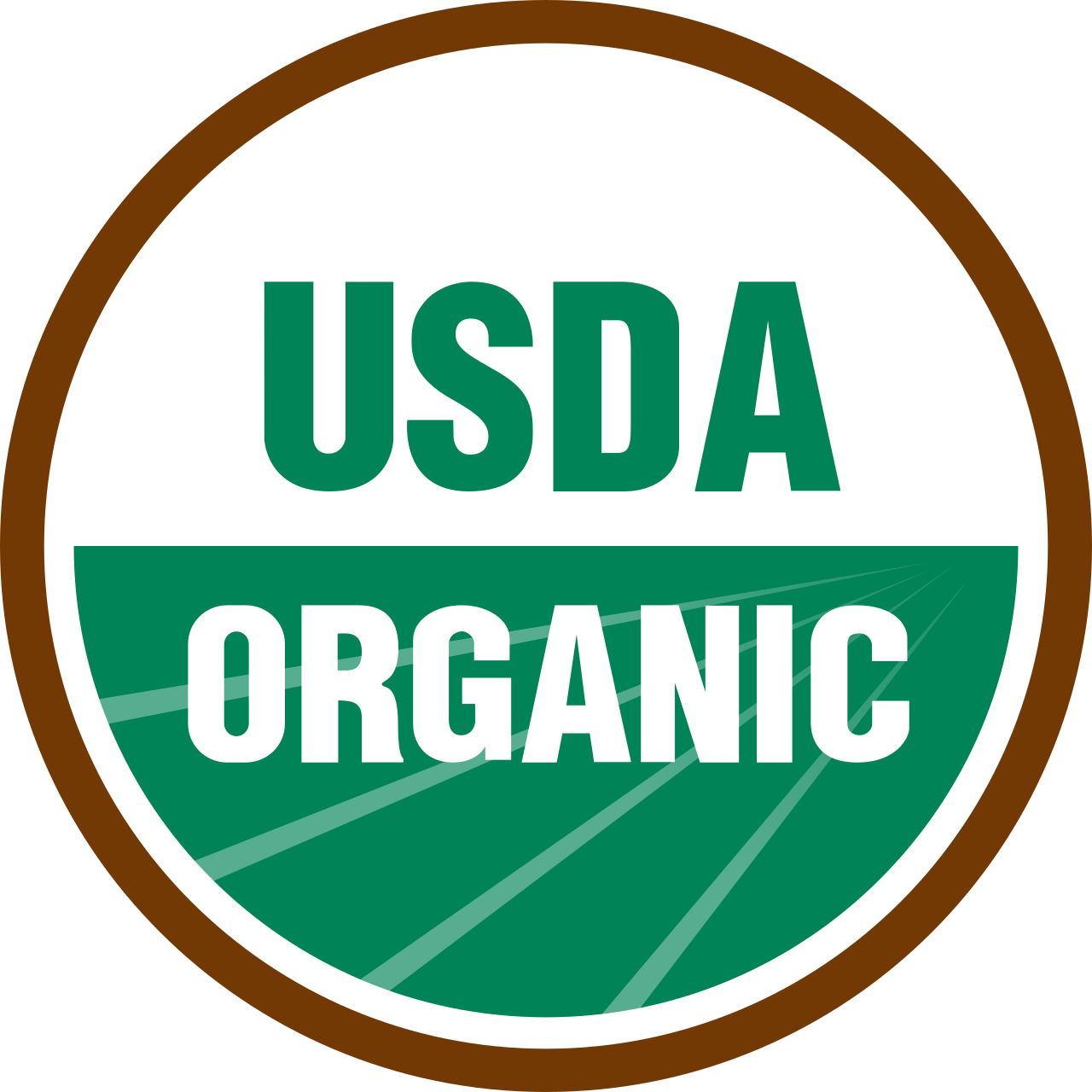
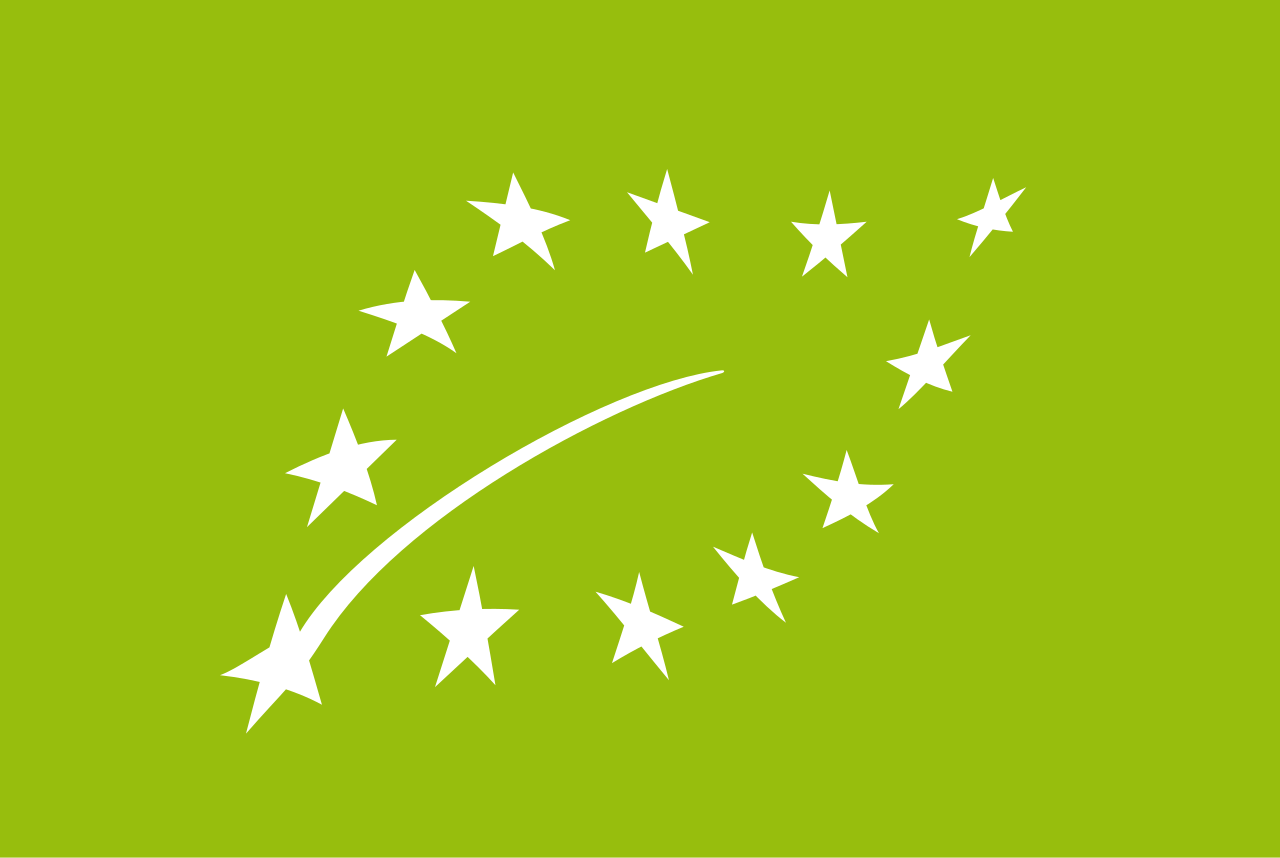
(inflation-adjusted from the $11,000 statutory cap set in the 1990 Organic Foods Production Act). In the EU, organic food has been regulated under Regulation 2018/848 since 1 January 2022 (replacing Regulation 834/2007). Certification required. Enforcement by member state authorities. Substantial penalties.
Outside food, the gap narrows unexpectedly. "Organic" on cosmetics is largely unregulated by governments but has private certifications (COSMOS, NATRUE, Ecocert) that function similarly.
What "Natural" Can Legally Contain
A "100% Natural" strawberry yogurt can contain:
- Strawberries grown with synthetic pesticides
- Milk from cows treated with rBST growth hormone (US)
- "Natural flavors", a legal category that can include proprietary chemical mixtures
- Sugar refined using bone char
- Thickeners processed with solvents
A "Natural" shampoo can contain:
- Sodium laureth sulfate (petroleum-derived)
- Methylisothiazolinone (among the top causes of contact dermatitis)
- Synthetic fragrance with hundreds of undisclosed chemicals
- Pesticide residue from the original botanical ingredients
None of this is illegal. The word has no legal definition that would exclude any of it.
Meaningless Cousins
"Natural" has a family of equally meaningless terms:
- All-Natural, Naturally Derived, Nature-Inspired: Same status as "Natural"
- Plant-Based: Some regulatory traction for food, none for cosmetics or cleaning
- Clean, Green, Eco-Friendly: Marketing movements with no regulatory backing
- Non-Toxic, Chemical-Free: Technically impossible claims, still widely used
- Farm-Fresh, Sustainably Sourced: Unregulated
What to Look for Instead
When "natural" catches your eye, don't give it weight. Scan for:
- A certification logo: USDA Organic, EU Organic, JAS, Canada Organic (food); GOTS (textiles); COSMOS or NATRUE (cosmetics); Nordic Swan or EU Ecolabel (cleaning)

- A certifier name and license number: Every legitimate certification lists the organization that audited the product
- An ingredient list that matches the claim: If a shampoo is "natural," look at the ingredients. Half in parentheses ending in "-ate" with unfamiliar names? Not what the marketing suggests.
The Takeaway
"Natural" is marketing language. "Organic" is regulation language. Both can be overused, but only one carries legal consequences for being wrong. Good certifications exist. They mean real things. They're worth paying a small premium for when the underlying product matters. Read labels carefully, treat adjectives with suspicion, trust logos over adjectives. Flip the package over
, the ingredient list is harder to fake than the front of the box.
Keep reading
More from our library on certification.
The Complete Guide to Organic Certification Logos
USDA, EU leaf, Demeter, JAS, Tun, what every organic logo means, who issues them, and how to verify they're legitimate.
ReadGOTS vs. OEKO-TEX: What Textile Labels Really Mean
Two logos everyone confuses. One certifies organic. The other certifies the absence of harmful substances. The difference matters.
ReadNordic Swan: The Nordic Eco-Label Explained
The Scandinavian eco-label on cleaning products, paper, and textiles, what Svanurinn certifies and why it matters in Iceland.
Read