
Geothermal Greenhouses and Organic Farming in Iceland
How Iceland's unique geothermal energy enables year-round organic vegetable production, a farming model found almost nowhere else.
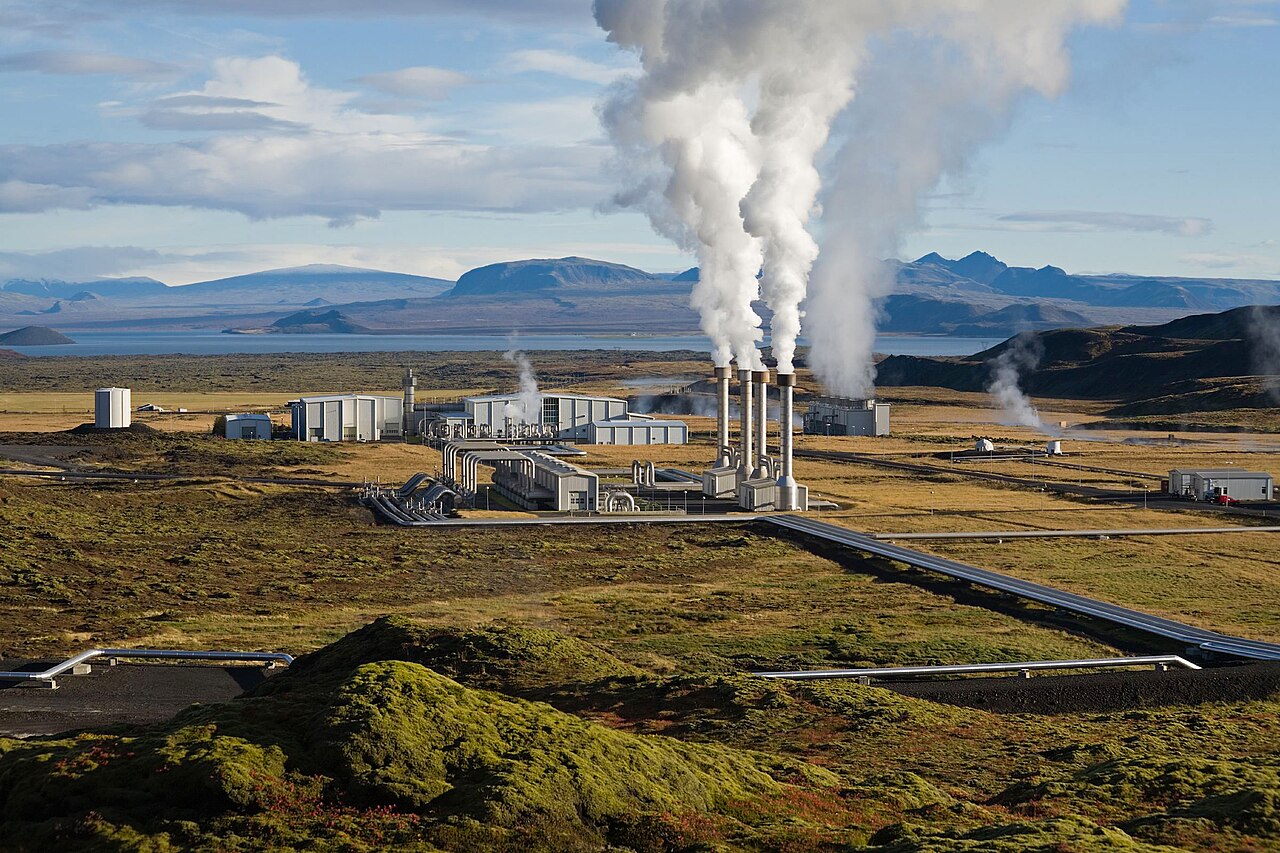
Iceland sits at 64°N latitude, roughly the same as northern Canada. The growing season is short, May to September for most outdoor crops. Without some form of heated cultivation, domestic fresh vegetable production would be nearly impossible for 7 months of the year. Iceland's answer is geothermal greenhouses, a farming model that combines unusually abundant geothermal energy with modern greenhouse technology. When paired with organic certification, it produces something unusual: year-round local organic vegetables at a latitude where that would otherwise be impossible.
Why Iceland Has So Much Geothermal
Iceland sits on the Mid-Atlantic Ridge, where the North American and Eurasian tectonic plates diverge. This geological position means unusually shallow access to geothermal heat, hot water and steam can be accessed at relatively shallow depths in many parts of the country. Consequences:
- Nearly 100% of electricity generation is renewable (roughly 70% hydro, 30% geothermal)
- Roughly 90% of homes are heated by geothermal hot water
- Greenhouse heating via geothermal is economically viable at scale
- The carbon footprint of geothermally-heated greenhouse production is extraordinarily low

The Greenhouse Belt
Most Icelandic greenhouses cluster in specific regions with easy geothermal access:
Hveragerði: Small town about 45 km (≈40 minutes' drive) southeast of Reykjavík. Sits on an active geothermal field. Multiple greenhouses producing tomatoes, cucumbers, peppers, herbs, and flowers.
Bláskógabyggð / Hrunamannahreppur (Golden Circle region): South-central Iceland. Friðheimar (in Reykholt, Bláskógabyggð) is the most visible operation; Flúðir, a short drive to the south, hosts several more.
Reykjanes Peninsula: Several greenhouses using geothermal heat from the power plants on the peninsula.
Akureyri area (North Iceland): Some greenhouses, though less concentrated than in the south.
Published figures put total Icelandic greenhouse area at roughly 18–25 hectares under cover (about 45–60 acres); a portion of that is certified organic.
What Grows Under Geothermal Greenhouses
Year-round production:
- Tomatoes
- Cucumbers
- Bell peppers
- Herbs (parsley, basil, mint, cilantro, chives, dill)
- Lettuce and leafy greens
- Microgreens
- Sprouts
Seasonal or cyclical production:
- Strawberries (mid-spring through early autumn)
- Raspberries (summer)
- Some flowers and ornamentals
Niche production:
- Mushrooms (in dedicated facilities)
- Specific vegetable seedlings for outdoor transplanting
The Carbon Footprint Argument
The most striking claim about Icelandic geothermal greenhouse production is the carbon footprint.
A typical Dutch greenhouse tomato produced in winter has a carbon footprint of 2.4–3.5 kg CO2 per kg of tomato, mostly from natural gas used for heating.
An Icelandic geothermal greenhouse tomato has a carbon footprint of 0.2–0.4 kg CO2 per kg, roughly 10x lower than the Dutch equivalent.
A Spanish outdoor tomato (no heating needed) has a carbon footprint of about 0.6–1.0 kg CO2 per kg including transport.
This means that an Icelandic geothermal greenhouse tomato consumed in Iceland has a lower carbon footprint than a Spanish tomato shipped to Iceland.
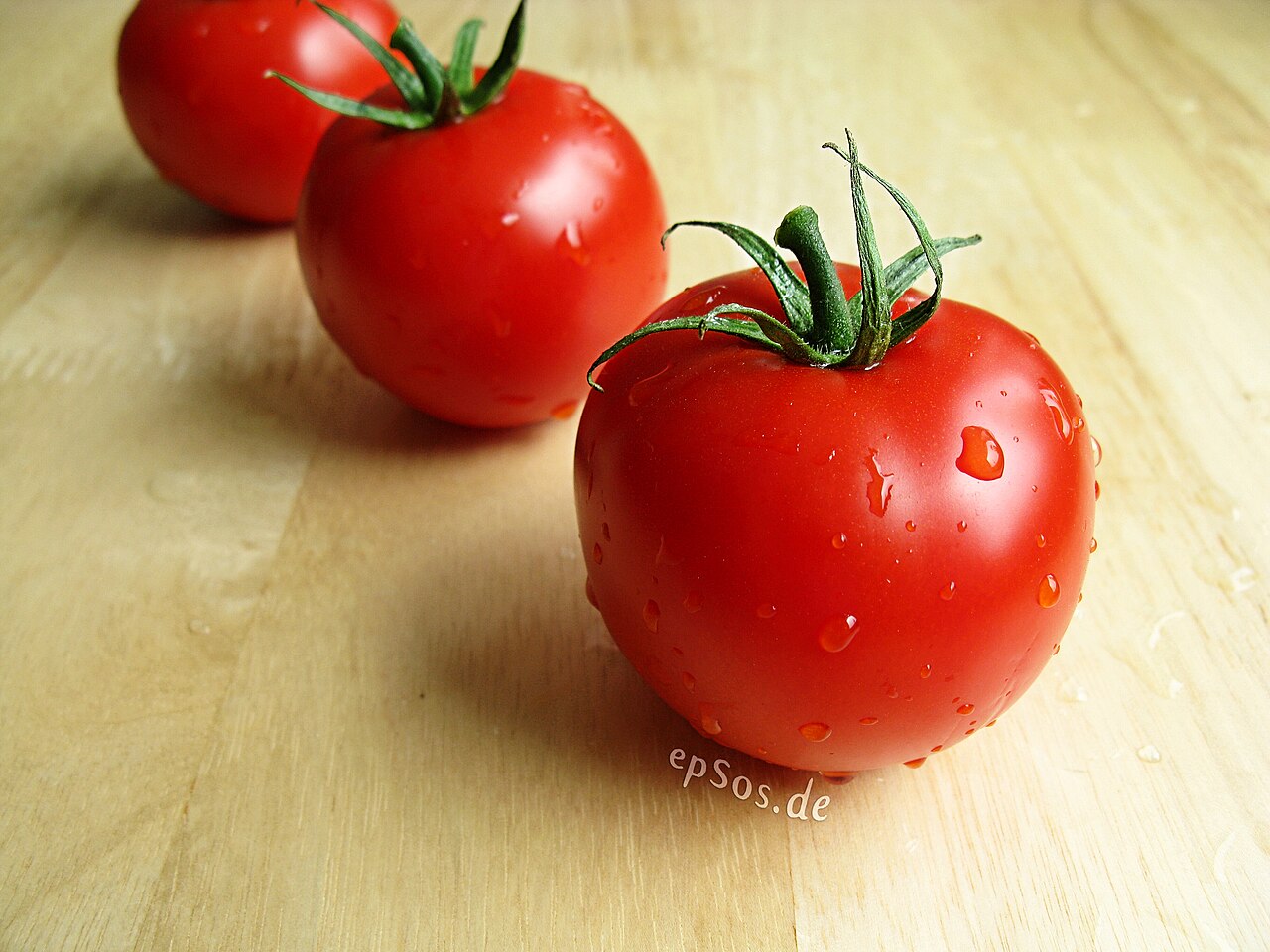
This is the opposite of what most "local vs. imported" analysis would suggest, and it's specifically because of the renewable energy base. Add the electricity for greenhouse lighting (needed in Iceland's dark winters) and the numbers still favor geothermal: Iceland's electricity grid is 99% renewable, so supplementary LED lighting adds minimal carbon.
Organic Certification in Greenhouses
Organic certification of greenhouses is sometimes controversial in the broader organic movement. The traditional organic ethos emphasizes soil-based cultivation, plants grown in living soil, not soilless media or hydroponics.
Tun's approach: greenhouse production can be certified organic if:
- Plants are grown in certified organic soil
- No synthetic fertilizers or pesticides are used
- Heating source is acceptable (geothermal qualifies)
- Pest management uses biological controls (beneficial insects, trap crops)
- Water comes from approved sources
USDA's approach: hydroponic organic is controversial but officially allowed. Some soil-based traditionalists object.
EU's approach: soil-based cultivation required for organic certification. Hydroponic and similar soilless systems generally cannot be certified organic.
In practice, Icelandic organic greenhouses use soil-based cultivation, partly because this aligns with both Tun standards and export potential to EU markets.
Notable Geothermal Greenhouse Operations
Friðheimar (Reykholt):
- One of Iceland's most visible greenhouse operations
- Specializes in tomatoes, with on-site restaurant
- Uses biological pest control (bumblebees and beneficial insects)
- A widely cited example of low-input greenhouse agriculture at high latitude
Móðir Jörð / Vallanes (East Iceland):
- Eymundur Magnússon began farming at Vallanes in 1979, moved to grain and vegetable production in 1985, and has been certified organic by Tún since 1995
- Combines outdoor field crops (organic barley) with some greenhouse production
- One of Iceland's earliest and longest-running organic operations
Other geothermal operations:
- Smaller family-run greenhouses scattered through Hveragerði, Flúðir, and Reykjanes
- Products include tomatoes, cucumbers, herbs, leafy greens
- Many sell directly at farmers markets or through health food shops; not all carry organic certification
The Economics
Greenhouse production in Iceland is expensive even before organic premiums:
Construction costs: €800–€1,500 per square meter of greenhouse, higher than Dutch equivalent due to local construction costs and wind/weather-reinforced structures.
Heating costs: Low thanks to geothermal, but infrastructure for pumping and distributing hot water has capital costs.
Labor costs: Iceland has relatively high wages.
Organic inputs: Organic-certified seed, compost, and biological pest controls cost more than conventional alternatives.
Net effect: Organic Icelandic greenhouse tomatoes typically retail at 100–200% premiums over imported conventional tomatoes.
The Quality Difference
Anyone who has tasted a ripe organic greenhouse tomato in Iceland's summer knows the difference from imported winter tomatoes. Flavor density, texture, and sweetness are all noticeably higher. This is less about organic certification per se and more about:
Local freshness: 24–48 hours from vine to shelf vs. 7–14 days for imports.
Ripeness at harvest: Domestic production can wait for full ripeness; imports are typically harvested green for shipping.
Variety selection: Icelandic greenhouses often grow traditional flavorful varieties rather than shipping-friendly commodity varieties.
Soil and water: Some growers argue that geothermal-heated, organically cultivated soil produces distinctive flavor. This is harder to verify scientifically but common in anecdotal reports.
Climate Change Implications
Climate change is ambiguous for Iceland's greenhouse sector:
Potentially favorable:
- Rising costs of natural gas heating elsewhere make Iceland's geothermal advantage relatively more valuable
- Carbon taxation may shift competitive advantage toward renewable-powered production
Potentially challenging:
- Longer Icelandic growing seasons may partially reduce greenhouse dependence
- Changing weather patterns may affect outdoor agriculture differently than indoor
- Volcanic activity and other geological events could disrupt specific greenhouse sites
Overall, climate change is likely to strengthen the competitive position of Icelandic geothermal greenhouse agriculture relative to both imports and fossil-fuel-heated greenhouses elsewhere.
What This Means for Shoppers
If you're shopping in Iceland:
Domestic greenhouse produce is often the right environmental choice even when imported alternatives are cheaper. The carbon footprint math genuinely favors local geothermal production.
Organic greenhouse produce is a premium option worth paying for when you value the specific organic standards (no synthetic pesticides, biological pest management). The difference vs. conventional greenhouse production is meaningful but marginal for most shoppers.
Seasonality matters less than elsewhere. Greenhouse production provides consistent year-round supply of tomatoes, cucumbers, peppers, and herbs. Strawberries are still seasonal (May to September peak) but extend longer than outdoor production would.
What This Means for Iceland
Geothermal greenhouses are one of Iceland's genuine competitive advantages in agriculture. No other country has the combination of:
- Abundant, shallow geothermal energy
- Stable geological platform for sustained production
- Small domestic market that supports specialty production
- Export potential to Scandinavian and UK markets
The sector is small but strategically important. It demonstrates what organic food production can look like when combined with abundant renewable energy. Some analysts argue that similar geothermal-intensive food production could be replicated in other geologically active regions (Japan, New Zealand, parts of Central America), though none yet match Iceland's combination of factors.
For now, Iceland's geothermal greenhouses produce a small volume of distinctive, high-quality, low-carbon organic vegetables. It's a farming model worth supporting and, for visitors and residents alike, worth understanding as one of the most unusual food systems in the world.
Keep reading
More from our library on iceland.
Organic in Iceland: The Current Landscape
Vottunarstofan Tun, major Icelandic organic producers, the import picture, and how to shop organic in Reykjavik.
ReadIcelandic Organic Producers to Know
A guide to the farms, cooperatives, and makers producing certified organic food in Iceland, dairy, meat, vegetables, and specialty products.
ReadThe Complete Guide to Organic Certification Logos
USDA, EU leaf, Demeter, JAS, Tun, what every organic logo means, who issues them, and how to verify they're legitimate.
Read