What 'organic' actually means
The word 'organic' on a label isn't marketing, it's a legal standard. Here's what certifiers like the USDA, the EU, and Iceland's TÚN actually require before a product can use it.
On the packaging, "organic" looks like a vibe. In the law, it's a contract. A product cannot call itself organic unless a licensed certifier has inspected the farm and supply chain and confirmed that a specific set of rules were followed, year after year, with paperwork to prove it.
The rules are slightly different depending on where you are, but the core is the same everywhere: no synthetic pesticides, no synthetic fertilizers, no GMOs, no routine antibiotics, no growth hormones, and real records showing the farm followed those rules for at least three years before the first organic harvest.
The three labels you'll see
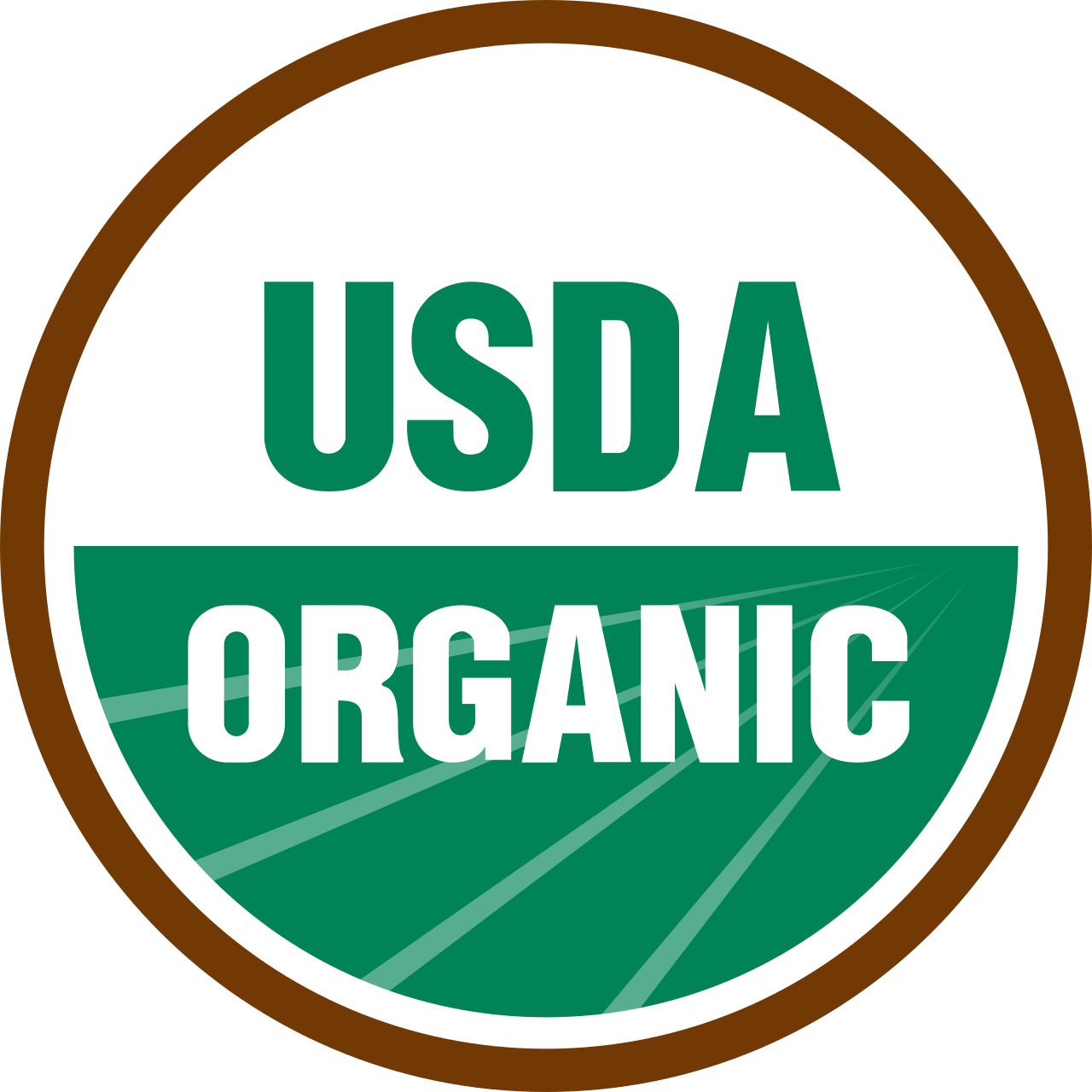
USDA Organic, United States
Run by the USDA National Organic Program. To carry the green-and-white USDA Organic seal, a farm or handler has to pass annual inspections by a USDA-accredited certifier, file an Organic System Plan, and maintain a full paper trail for every input, every harvest, and every batch.
EU Organic, European Union (and Iceland)
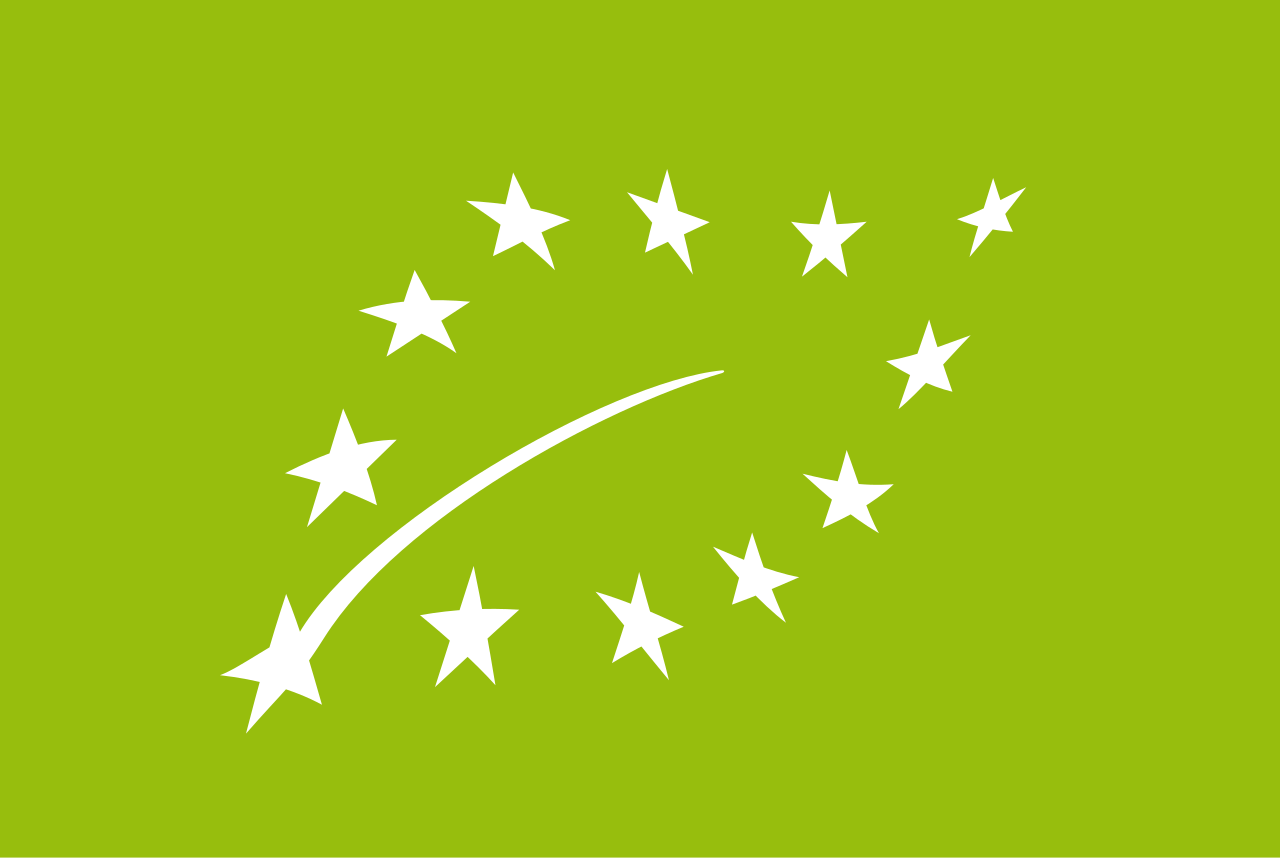
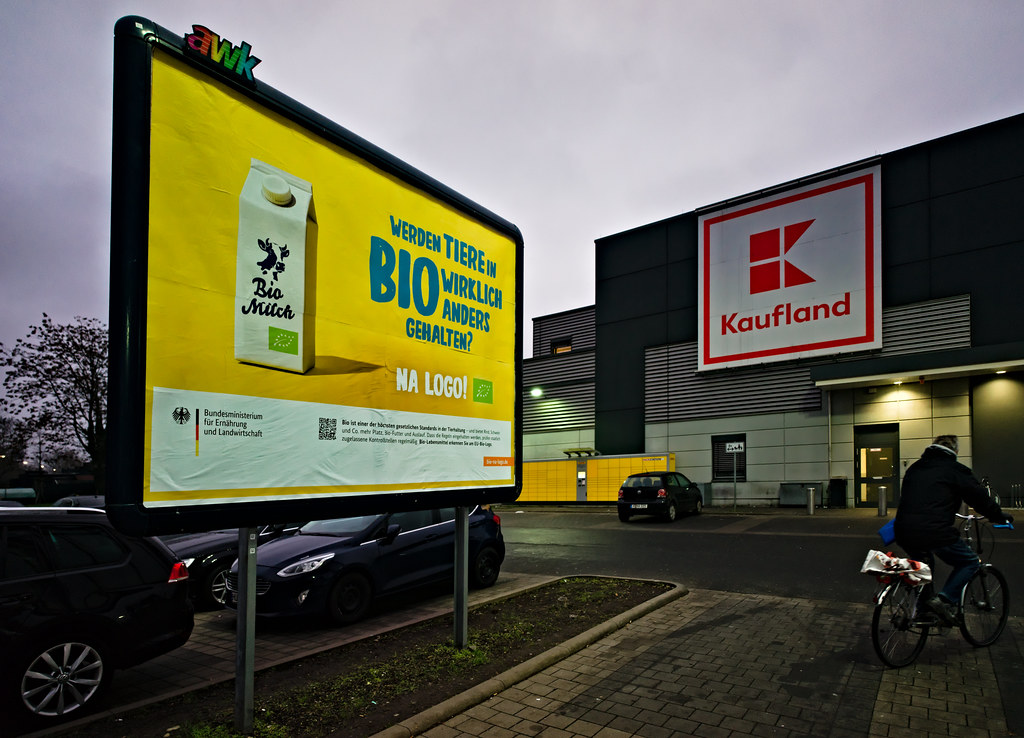
The rules come from EU Regulation 2018/848. Products that meet them carry the "EU leaf": twelve stars forming a leaf shape on a green background. Because Iceland is part of the European Economic Area, EU rules apply here too.
TÚN Vottun, Iceland's own
TÚN is Iceland's domestic organic certifier. It follows EU organic rules but adapts them for Icelandic conditions, short growing seasons, geothermal greenhouses, and pasture-based lamb and dairy.
What "organic" does not mean
This is where people get tripped up. "Organic" is a specific, legal thing. These words sound similar but are not the same:
- Natural, has no legal definition. Anyone can write it.
- Non-GMO, means no genetically modified ingredients. That's a subset of organic, not a synonym.
- Pesticide-free, not certified. A farm can say this without any inspections.
- Free-range or pasture-raised, welfare labels. They describe how animals live, not what they ate or whether antibiotics were used.
If you see "organic" on a label without a certifying logo, be skeptical, especially on cosmetics and household goods, where the rules are weaker than on food.
The three-year rule
One of the quieter but most serious parts of certification: a field can't be called organic just because the farmer stops using chemicals today. The soil itself has to go through a three-year transition period, three full years of organic practices, inspections, and paperwork, before its harvests can be sold with the organic label. The farm bears the cost of organic farming during those years without being able to charge the organic price, which is part of why the premium exists at all.
Why the law matters
Marketing copy is cheap. The thing that makes "organic" actually mean something, the thing that separates it from "natural," "eco," and "pure", is that there is a real, auditable paper trail, a real inspection, and a real set of rules that someone can be kicked out of. When you see one of the official logos, you're not trusting the brand. You're trusting the certifier.
Keep reading
More from our library on basics.
Organic, regenerative, biodynamic, what's the difference?
All three words show up on premium labels, and they don't mean the same thing. A quick disambiguation before your next trip to the nice end of the grocery store.
ReadThe Complete Guide to Organic Certification Logos
USDA, EU leaf, Demeter, JAS, Tun, what every organic logo means, who issues them, and how to verify they're legitimate.
ReadGOTS vs. OEKO-TEX: What Textile Labels Really Mean
Two logos everyone confuses. One certifies organic. The other certifies the absence of harmful substances. The difference matters.
Read