How organic food is actually farmed
Without synthetic fertilizers or chemical pesticides, organic farms rely on biology, crop rotation, composting, cover crops, and real predators. Here's what that looks like in practice.
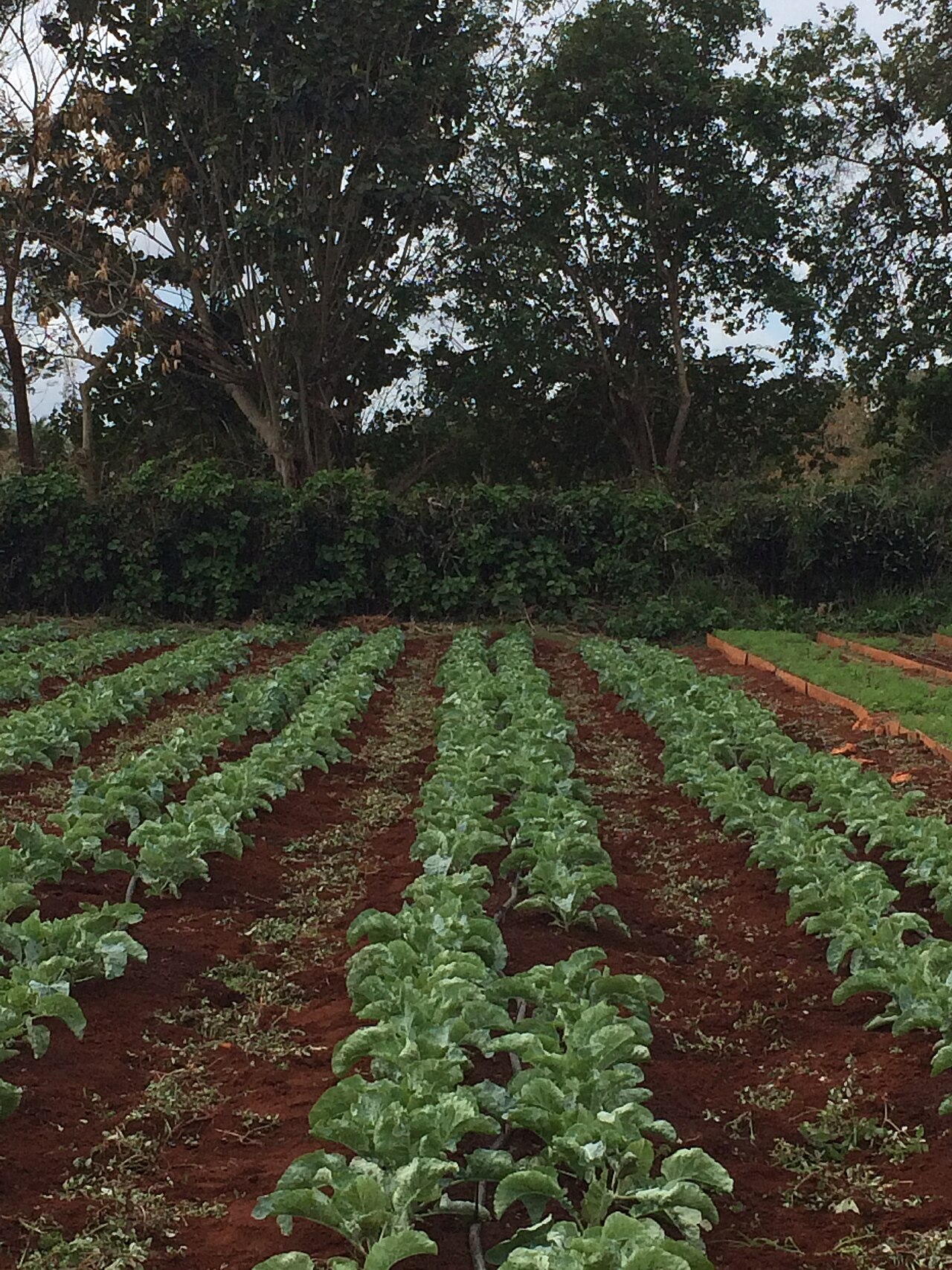
The short version: an organic farmer's job is to build the soil and let the soil do the farming. On a conventional farm, fertility comes out of a bag and pest control comes out of a spray tank. On an organic farm, both have to be generated on the farm itself, mostly through living systems.
Building fertility without synthetics
A conventional farm buys nitrogen that was manufactured in a factory using natural gas (the Haber-Bosch process) and phosphate mined out of the ground. It's cheap, concentrated, and precise. An organic farm can't use any of that. Instead, fertility comes from four main places:
- Composting. Crop residues and animal manure are piled, watched, and turned until they break down into a rich, stable soil amendment.
- Crop rotation. Typically a three- to five-year rotation, a legume one year, a grain the next, a vegetable the year after, so no single pest or disease gets established, and nitrogen-fixing plants can replenish the soil between hungry crops.
- Cover crops. Between cash crops, the field isn't left bare; it's planted with clover, rye, or vetch, which protect the soil and biologically fix nitrogen from the air.
- Green manures. Growing plants tilled back into the soil as a deliberate nutrient boost.
A well-managed organic field usually has noticeably higher soil organic matter than a conventional one right next to it. Over years, that translates to better water retention, more earthworms, and more resilience in a drought or a wet year.
Managing pests without synthetic sprays
This is the part that worries people most when they imagine switching to organic: what do you do when the bugs show up?
The organic answer is: prevent the problem, then use biology.
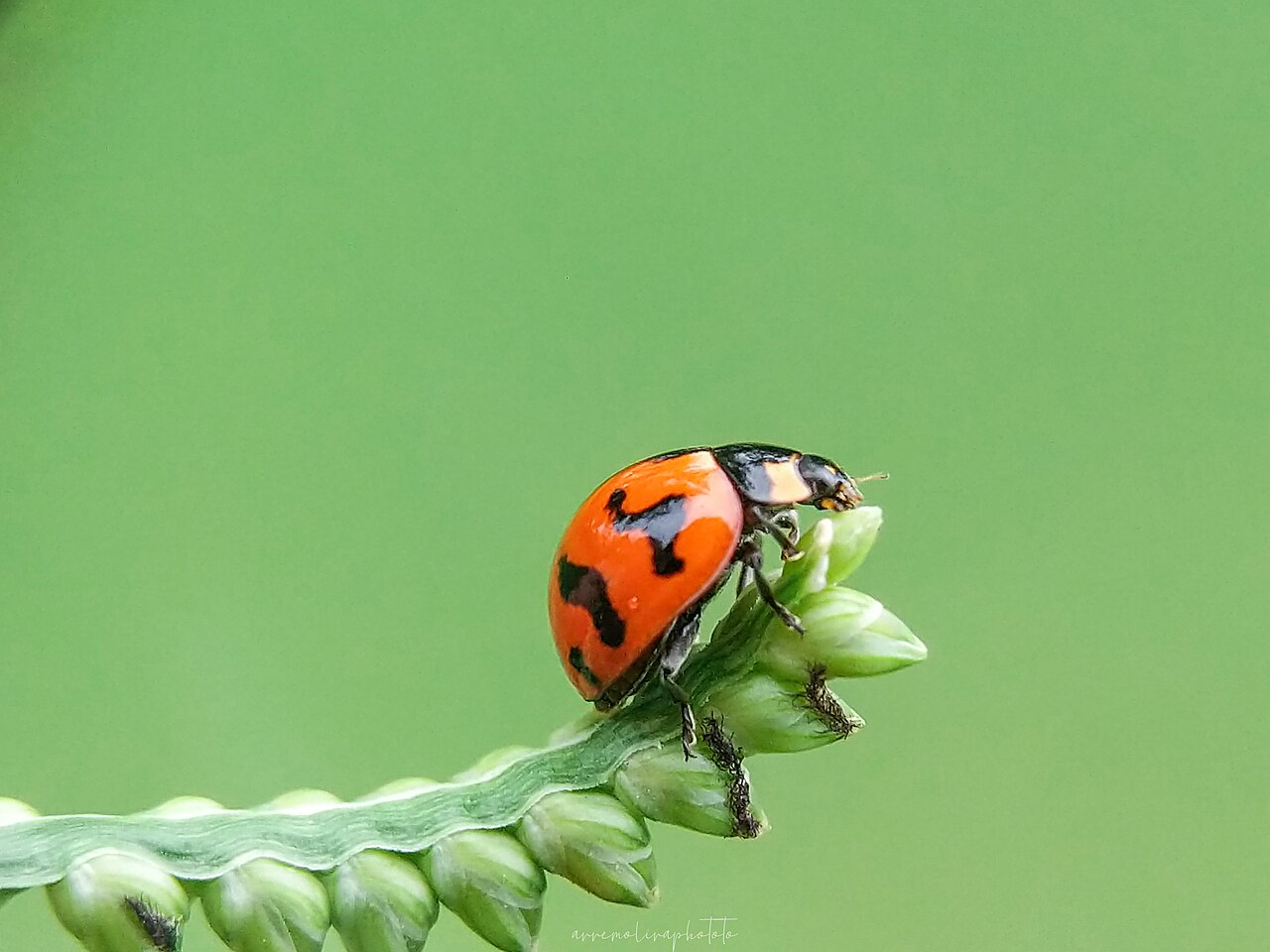
- Biological control, encouraging predators like ladybugs, parasitic wasps, and birds to do the killing for you. A hedgerow or a wildflower strip isn't decoration; it's habitat for insect predators.
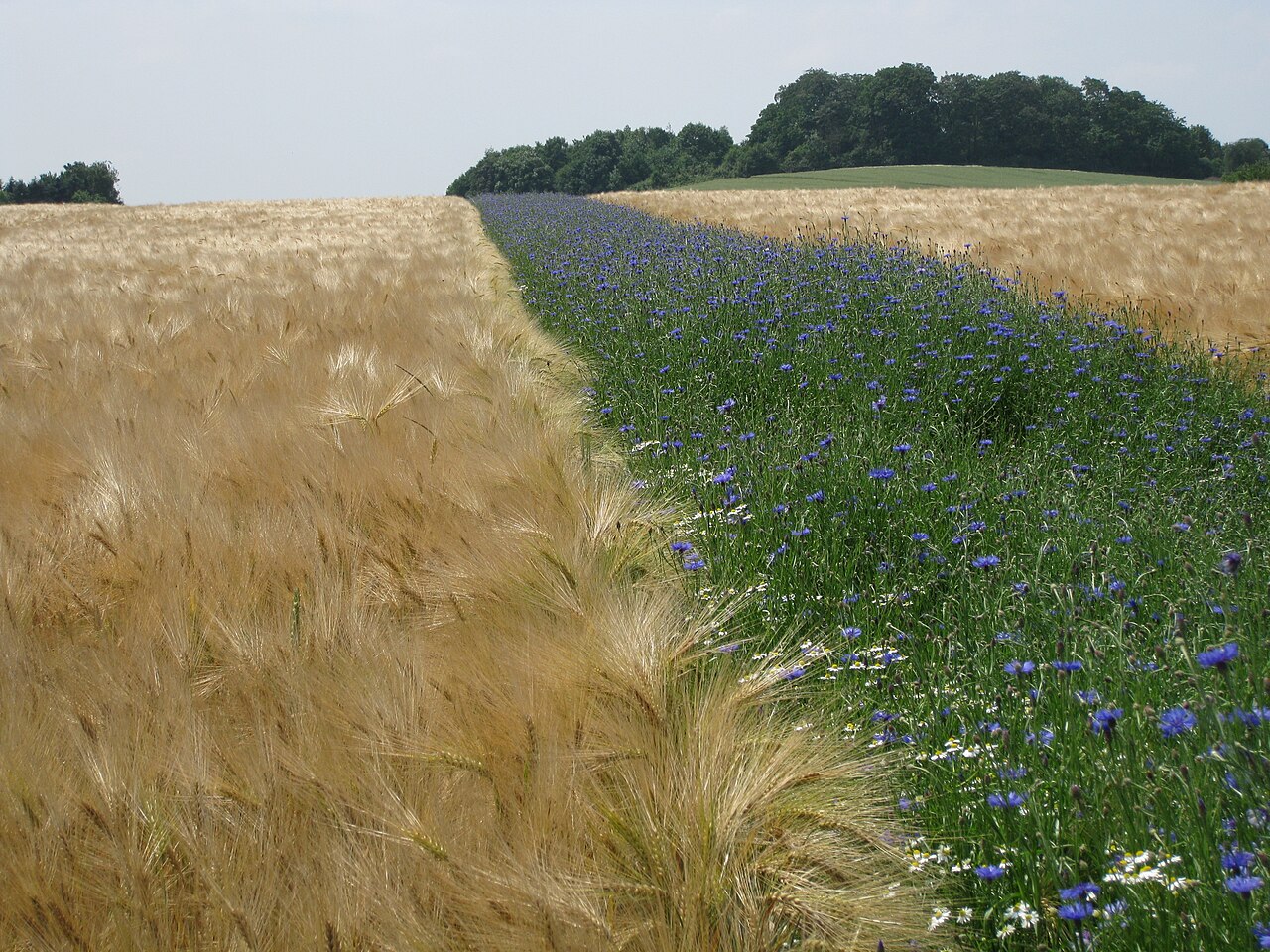
- Habitat diversity, planting multiple crops, intercropping, and leaving some wild margins. A monoculture is a buffet. A diverse field is a harder place to find dinner.
- Physical barriers, row covers, nets, sticky traps.
- Approved natural inputs, neem oil, sulfur, copper, pyrethrum, and Bt (a bacterium fatal to certain caterpillars). These are regulated and used sparingly. They are not "organic = no sprays", they're "organic = a much shorter list of more targeted sprays."
- Resistant varieties, choosing seed lines that are naturally tough rather than chemically protected.
Nobody pretends organic pest management is easier. It isn't. It's more intensive. It requires more watching, more walking the fields, more decisions. That's part of what you're paying for.
Livestock and dairy
Organic livestock standards are stricter than the welfare labels most shoppers recognize:
- 100% organic feed, no cutting costs with cheap conventional grain.
- No routine antibiotics. If an animal needs antibiotics to survive, it gets them, but it loses its organic status. There is no "just in case" dosing.
- No growth hormones (rBST, rBGH, and related compounds are banned).
- Outdoor access is mandatory. In the EU, pasture access is a hard requirement. In the US, the rules are slightly looser but still stricter than conventional confinement operations.
- Space requirements and welfare standards above the conventional minimum.
In Iceland, where much of the livestock system is already pasture-based by default, the gap between conventional and organic animal welfare is smaller than in, say, continental Europe. But the feed, antibiotic, and certification rules still make organic meaningfully different.
Organic is a system, not a set of substitutions
The biggest misunderstanding is that organic farming is conventional farming with a different shopping list. It isn't. You can't take a conventional field, swap synthetic fertilizer for manure, and call it organic. The whole system, rotation, soil biology, pest ecology, livestock integration, has to be redesigned. That redesign takes years. That's why there's a three-year transition period before a farm can sell its harvest with the organic label, and it's why organic farms that have been at it for decades tend to outperform freshly transitioned ones.
Organic is slower, more labor-intensive, and lower-yielding per hectare than conventional. It's also building something conventional agriculture isn't: soil you can still farm in fifty years.
Keep reading
More from our library on farming.
The Complete Guide to Organic Certification Logos
USDA, EU leaf, Demeter, JAS, Tun, what every organic logo means, who issues them, and how to verify they're legitimate.
ReadWhat 'organic' actually means
The word 'organic' on a label isn't marketing, it's a legal standard. Here's what certifiers like the USDA, the EU, and Iceland's TÚN actually require before a product can use it.
ReadGOTS vs. OEKO-TEX: What Textile Labels Really Mean
Two logos everyone confuses. One certifies organic. The other certifies the absence of harmful substances. The difference matters.
Read