
Organic Baby Food: From First Bites to Toddlerhood
Making and buying organic baby food, what matters, what to skip, and how to feed babies well without overthinking it.
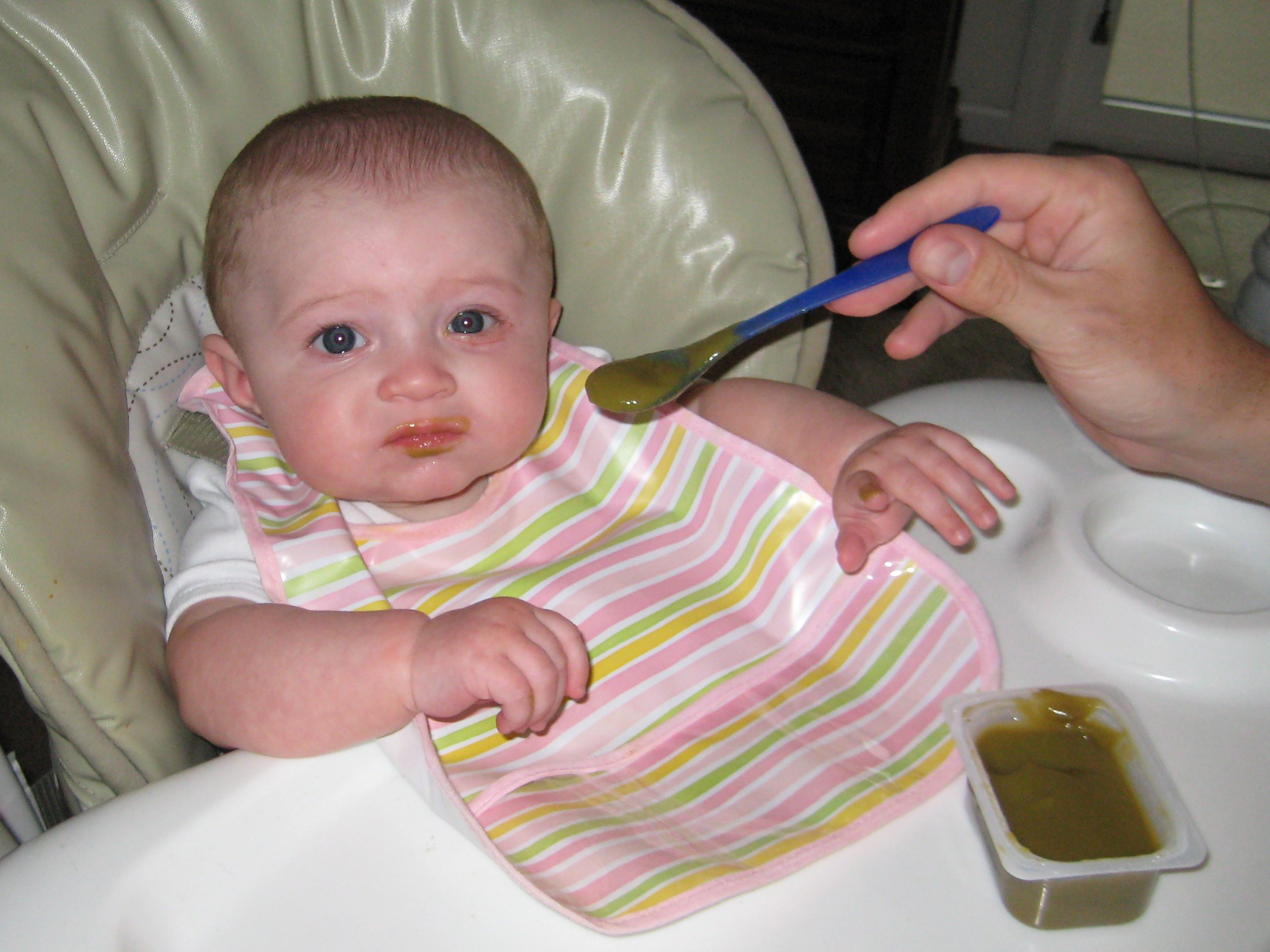
Organic baby food is one of the strongest cases for organic purchasing. Babies eat a limited variety of foods in large relative quantities. Their bodies are developing. They have lower tolerance for contaminants on a per-pound-of-body-weight basis. The evidence for choosing organic is stronger here than for most food categories. This is a practical guide to feeding organic from first solids through toddlerhood.
Why Organic Matters for Babies
Relative dose matters. A typical 6-month-old weighs 7–8 kg. An adult weighs 10x that. The same amount of pesticide residue delivers a 10x higher dose per kilogram of body weight to a baby.
Developing systems are more vulnerable. The developing brain, endocrine system, and immune system are actively calibrating during the first two years. This is when chronic low-dose exposures can have the largest long-term effects.
Baby food regulations are stricter, in the EU. Commission Regulation (EU) 2023/915 sets strict contaminant limits (lead, cadmium, mycotoxins, and others) on foods for infants and young children. The US FDA's "Closer to Zero" initiative is progressively tightening action levels for heavy metals in baby food but remains less comprehensive than the EU regime. The 2021 US Congressional subcommittee report "Baby Foods Are Tainted with Dangerous Levels of Arsenic, Lead, Cadmium, and Mercury" documented meaningful contamination in several mainstream brands and is the strongest single evidence base for buying with care. Organic adds a further layer of reduced pesticide residue on top of whichever regulatory floor applies.
Babies eat limited variety. If a baby eats primarily apples, pears, and sweet potatoes for months, those foods represent a much higher proportion of total diet than for an adult with varied eating.
First Foods (around 6 months)
The AAP and WHO recommend exclusive breastfeeding until around 6 months; solids can be introduced earlier (not before 4 months) only if an infant is formula-fed and showing clear developmental readiness (good head control, sitting with support, interest in food). Recommended first foods are typically single-ingredient purees or mashed foods:
Easiest first foods:
- Organic avocado (Clean Fifteen, conventional is fine, but organic affordability is reasonable)
- Organic banana (Clean Fifteen)
- Organic sweet potato
- Organic pear
- Organic apple
- Organic carrot
- Organic peas
- Organic oat or rice cereal
Avoid for first year:
- Honey (botulism risk)
- Cow's milk as main drink (iron absorption, digestive)
- Salt and added sugar
- Choking hazards (whole grapes, whole nuts, popcorn)
Homemade vs. Store-Bought
Homemade organic baby food:
- Cost: $0.30–$0.60 per serving
- Control: You know exactly what's in it
- Storage: Refrigerate 2–3 days, freeze in small portions for 3 months
- Equipment: Blender, steamer, ice cube trays
Store-bought organic baby food:
- Cost: $0.80–$1.80 per serving for pouches and jars
- Convenience: No prep, no spoilage concerns, portable
- Quality varies: Some brands are excellent, some are sugar-heavy and processed
Most households do some of each. Sunday batch-cook a week of purees, use store-bought for travel or emergencies.
Simple Batch Recipes
Steamed and pureed vegetables:
- Peel and chop organic vegetables (sweet potato, carrot, squash, peas)
- Steam 8–12 minutes until tender
- Puree with small amount of cooking water or breast milk/formula
- Freeze in ice cube trays for 1-oz portions
Fruit purees:
- Ripe banana: just mash with fork
- Avocado: mash with fork
- Apples, pears: peel, chop, simmer 10 minutes, puree
- Berries: puree raw, strain seeds if needed
Grain cereals:
- Organic oats, rolled: cook with 4x water, puree smooth
- Organic brown rice: cook until very soft, puree
- Organic quinoa: cook until very soft, puree
Brands Worth Knowing
Top-tier organic baby food:
- Serenity Kids (meat + vegetable pouches, lower sugar)
- Once Upon a Farm (refrigerated organic baby food, high quality)
- Cerebelly (designed around brain development nutrients, organic)
- Yumi (subscription service, fresh frozen)
Good mainstream organic:
- Earth's Best
- Happy Baby / Happy Family
- Plum Organics
- Beech-Nut Organic
Avoid or use sparingly:
- Organic pouches that are primarily fruit (essentially organic juice concentrates, high sugar, low nutritional value)
- Brands with high apple/pear concentrations masking other flavors
- Any baby food with added sugar, salt, or "natural flavors"
Iron, the Underappreciated Nutrient
At around 6 months, babies deplete their birth iron stores. Iron-rich first foods matter:
Organic iron-rich foods for babies:
- Iron-fortified organic cereals (check labels)
- Pureed organic beef or chicken
- Organic egg yolk (after age 6 months, watching for allergy)
- Organic lentils and beans (pureed)
- Organic spinach (Dirty Dozen #2, worth the organic premium)
Pair iron-rich foods with vitamin C foods (citrus, bell pepper, tomato) to enhance absorption.
The 7–12 Month Transition
Babies start eating more varied textures: mashed, small chunks, soft finger foods.
Good organic finger foods:
- Soft-cooked organic vegetable pieces
- Organic banana slices, cubes of avocado
- Small pieces of organic cheese
- Organic toast pieces with mashed avocado
- Cooked pasta with olive oil
- Small bits of slow-cooked organic meat
Baby-led weaning (skipping purees, going straight to finger foods) is a valid approach. Organic ingredient selection matters more than whether you puree or not.
Toddler Meals (12+ Months)
Once babies are eating family food, prioritizing organic in the family diet is the practical approach. Not every meal needs to be entirely organic. Priority:
- Dairy and eggs: Toddlers eat a lot. Organic is worth the premium.
- Meat and poultry: Welfare + antibiotics argument is strong. Organic or at least pasture-raised when possible.
- Dirty Dozen produce: Strawberries, spinach, kale, grapes, peaches, organic.
- Apples and pears (frequent toddler snacks): Organic.
- Wheat products (bread, pasta): Scale of consumption makes organic impactful.
- Rice: Arsenic concerns in conventional rice; organic rice often has similar arsenic levels (soil-based) but some brands test specifically.
Snacks and Treats
Toddler snack marketing is heavy on organic-branded, sugar-heavy products. Read labels carefully:
Reasonable organic snacks:
- Homemade: cut fruit, cheese cubes, whole-grain organic crackers, plain yogurt with fruit
- Bars and packaged: Larabar Kids, That's It bars, Annie's Organic Bunnies (for crackers, not cookies)
"Organic" but essentially candy:
- Organic fruit snacks/gummies
- Organic cookies and sugar-heavy bars
- Organic juice boxes (still mostly sugar)
Organic doesn't rescue a snack that's fundamentally sweetener and flour. A homemade date-oat ball is better than a store-bought "organic" cookie.
Formula
If breastfeeding isn't an option, organic formula is widely available:
European organic formulas (often considered higher quality):
- HiPP (German, Demeter options available)
- Holle (Swiss/German, Demeter available)
- Lebenswert (Holle's Bioland-certified, budget-tier organic line; no added sugars)
These require specific sourcing in North America, check reputable resellers. European standards are stricter than US in some ways (added sugar, protein sources).
US organic formulas:
- Similac Organic
- Earth's Best Organic
- Burt's Bees Baby Organic
All must meet FDA formula standards, safety is assured. Differences are in ingredient sourcing, sugar content, and fat profile.
The Honest Budget View
An organic baby diet is more expensive than conventional. Ways to manage:
- Homemade: Makes organic affordable. Batch cook on weekends.
- Frozen organic produce is cheaper than fresh for purees.
- Family eats the same organic produce: Don't buy "baby-specific" products when bulk family organic produce works.
- Subscriptions for convenience (Yumi, Little Spoon) cost more but remove planning burden.
- Prioritize the Dirty Dozen strictly; use Clean Fifteen conventional where it's available.
Typical organic baby food budget: $40–$150/month for a toddler, depending on mix of homemade vs. store-bought.
The Most Important Things
- Breast milk or formula until 12 months is the primary nutrition.
- Variety matters for flavor development and nutritional completeness.
- Don't stress perfection. A toddler who eats mostly organic food is better off than one fed no vegetables because organic was out of budget.
- Reading labels matters more than trusting marketing.
- Homemade basics + strategic organic purchases = affordable, high-quality feeding.
Babies don't need organic designer meals. They need real food, varied over time, introduced patiently, shared around a family table. Organic is a quality lever on that, not a replacement for it.
Keep reading
More from our library on baby.
The Organic Diaper Guide: Disposable, Cloth, and Everything Between
Organic disposables, cloth diapers, compostable claims, and the real cost comparison. How to diaper a baby without buying into hype.
ReadOrganic Baby Essentials Checklist
A prioritized checklist of organic baby items: what to get, what to skip, and how to spend your organic budget wisely.
ReadThe Complete Guide to Organic Certification Logos
USDA, EU leaf, Demeter, JAS, Tun, what every organic logo means, who issues them, and how to verify they're legitimate.
Read