
How Organic Farming Actually Works
Crop rotation, composting, biological pest control, livestock standards, a practical look at what organic farmers actually do differently.
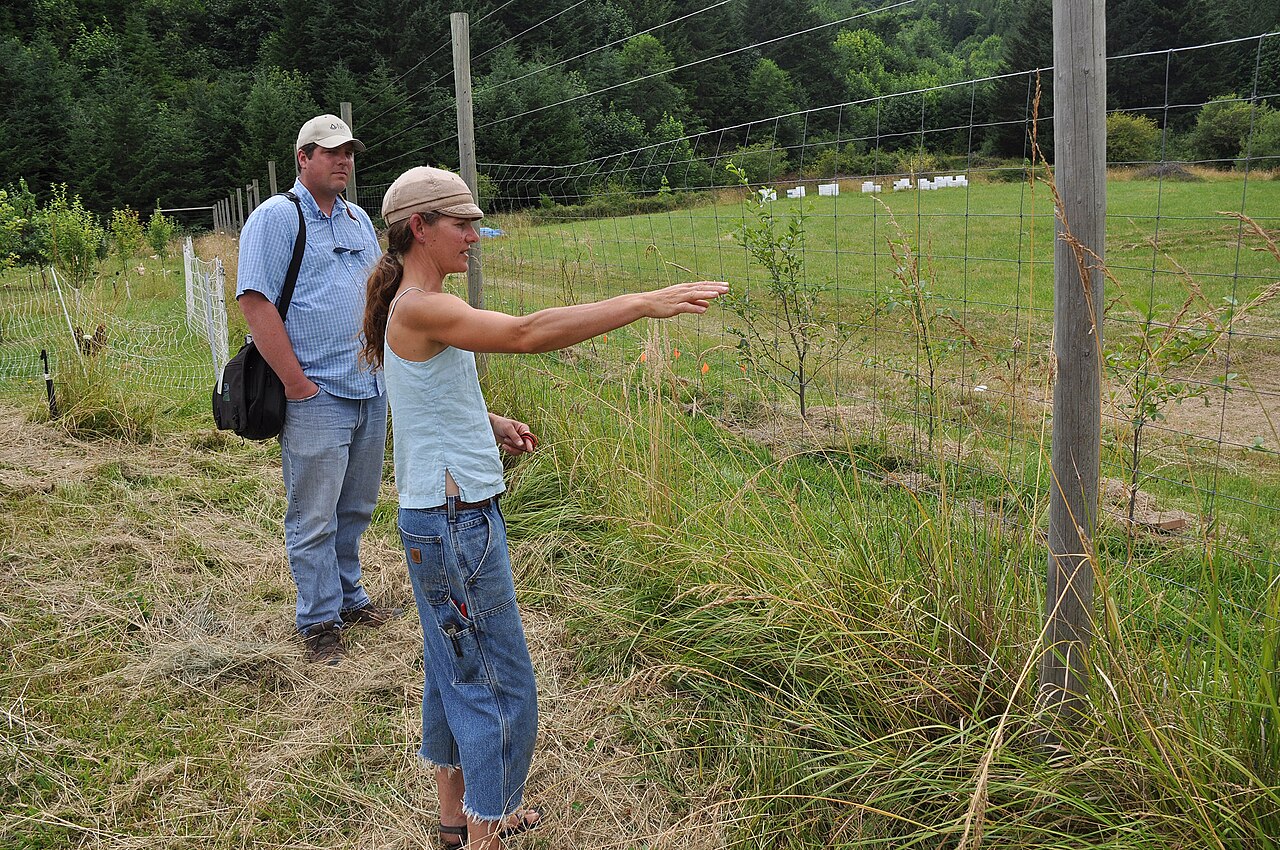
Organic farming is often described in the negative: no synthetic pesticides, no synthetic fertilizers, no GMOs, no routine antibiotics. Accurate, but unhelpful. It tells you what organic farmers don't do. Not what they actually do.
The Core Idea: Building Soil
Conventional farming often treats soil as a medium that holds plants in place while chemical fertilizers feed them. Organic farming treats soil as a living system that feeds plants through biological processes.
A healthy organic soil has 3–5% organic matter by weight, compared to 1–2% in most conventional soils. That organic matter, decomposing material, fungal networks, bacteria, small invertebrates, releases nutrients slowly, holds water, and suppresses disease. Building this layer is the core agricultural work.
Crop Rotation
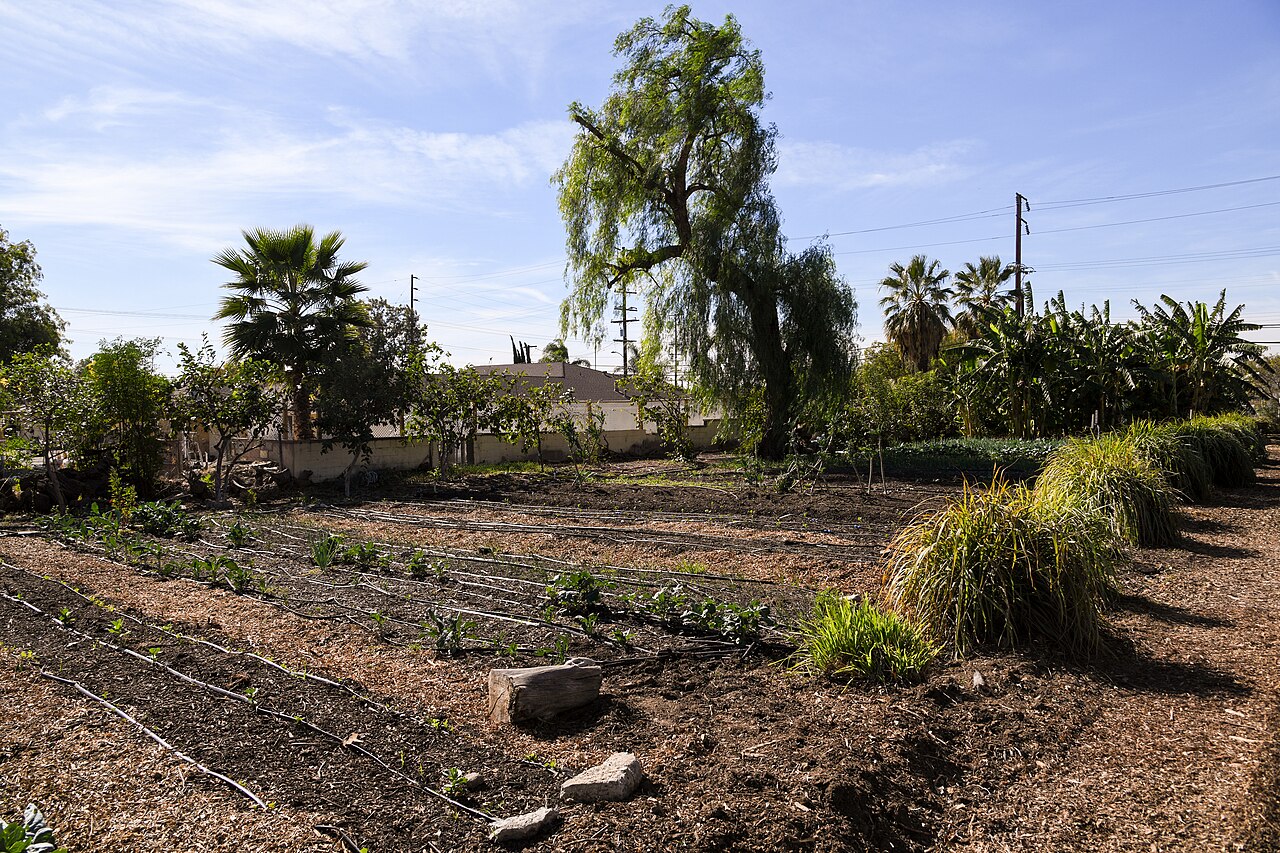
A typical organic vegetable rotation runs over three or four years:
- Year 1: Heavy feeders (tomatoes, corn, brassicas), crops that take a lot of nitrogen
- Year 2: Light feeders and root crops (carrots, onions, garlic)
- Year 3: Legumes (beans, peas, clover), nitrogen-fixing plants that restore soil nitrogen
- Year 4: Return to heavy feeders or add a green manure year
Rotations prevent soil-borne disease buildup, interrupt pest life cycles, balance nutrient draw, and allow soil to rest and rebuild. A legume year fixes 50–150 kg of nitrogen per hectare, a meaningful fraction of what vegetables need.
Composting and Manure
The fertility conventional farms get from synthetic nitrogen, organic farms get from compost and manure. Good farm-scale composting requires balance, carbon-to-nitrogen ratio around 25–30:1. Hot composting reaches 55–65°C, kills pathogens and weed seeds, produces usable compost in three to six months.

Typical organic vegetable production applies 5–20 tonnes of compost per hectare per year. Many organic farms produce their own from crop residues and animal bedding, closing the fertility loop.
Raw manure has stricter rules, typically applied at least 90 days before harvest for crops that don't contact soil directly, 120 days for crops that do.
Pest Management Without Synthetic Pesticides
Organic farms do use pesticides, just not synthetic ones:
- Sulfur: Powdery mildew, early blight
- Neem oil: Aphids, spider mites, caterpillars
- Pyrethrin: Fast-acting, breaks down in 24–48 hours
- Spinosad: Caterpillars, leaf miners, thrips
- Bt (Bacillus thuringiensis): Caterpillar-specific, breaks down in sunlight
- Copper compounds: Fungal/bacterial diseases; soil accumulation concern
These are real pesticides with real effects. Some (copper, pyrethrin) can be more toxic to bees or aquatic life than some synthetic alternatives. "Natural" doesn't always mean benign.
The difference: the organic pesticide list is short, regulated, and chosen for relatively quick environmental breakdown.
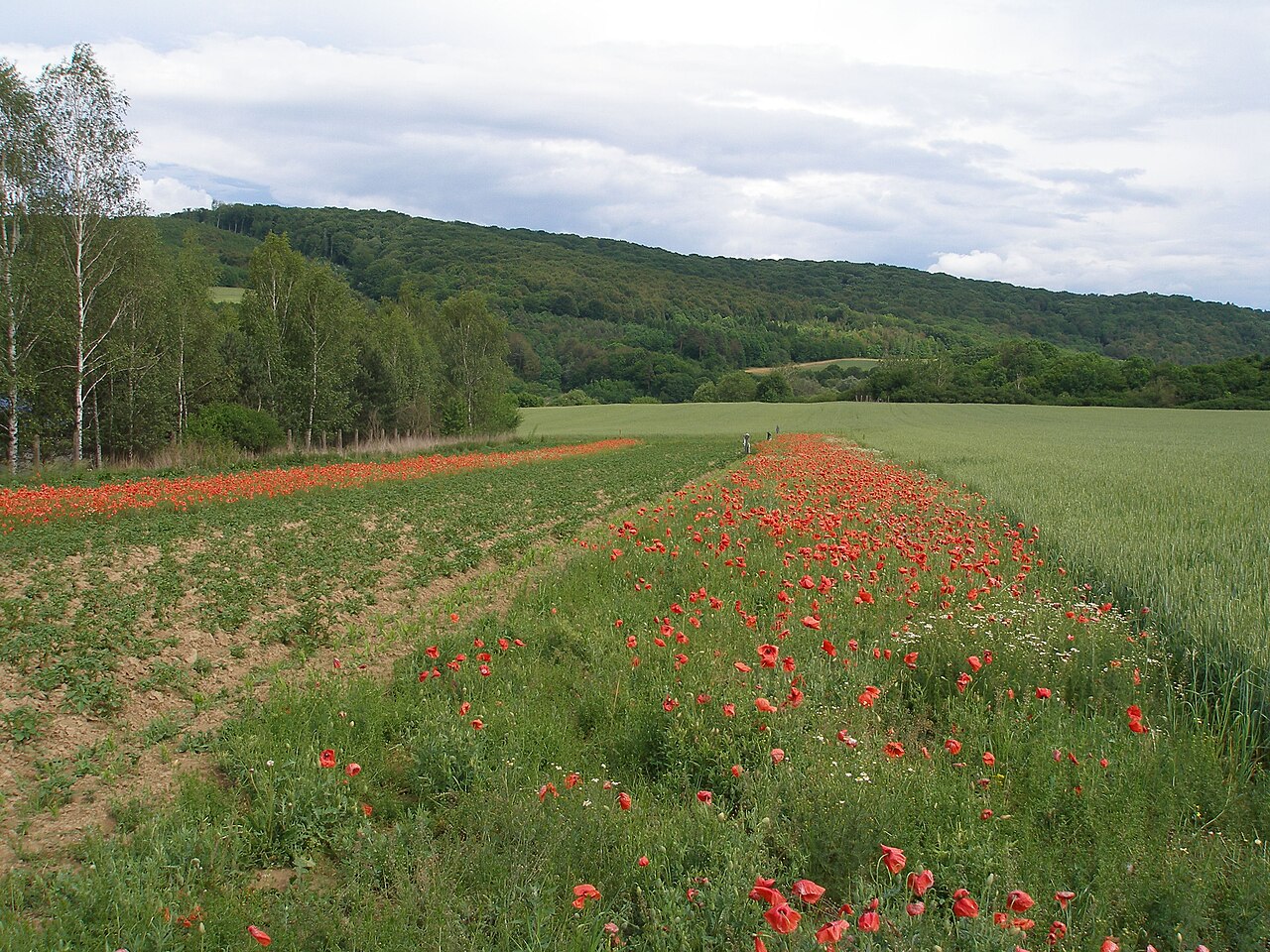
Most pest management on a well-run organic farm doesn't rely on pesticides. It relies on prevention: crop rotation, resistant varieties, habitat strips for beneficial insects, trap crops, companion planting, timing. Field studies consistently find that flowering strips and hedgerows boost populations of natural enemies and measurably reduce pest pressure, though effect sizes vary widely with landscape, pest species, and strip design.
Livestock Under Organic Rules
- Pasture access: EU Regulation 2018/848 requires ruminants to receive at least 60% of their daily ration as forage (fresh, dried, or silage); USDA requires a grazing season of at least 120 days with at least 30% of dry-matter intake from pasture during the grazing season
- Stocking density: EU caps indoor density for laying hens at 6 birds per square meter with mandatory outdoor access; USDA's 2023 Organic Livestock and Poultry Standards (OLPS) rule, which took effect in 2025, expresses indoor density in pounds per square foot (roughly 4.5 lb/sq ft in non-aviary housing) with a 2029 deadline for outdoor-density compliance at existing operations, generally looser than the EU ceiling
- Feed: 100% organic, no synthetic amino acids, no mammalian byproducts; organic feed is typically 20–40% more expensive than conventional
- Antibiotics: Only to treat diagnosed illness. A treated animal loses organic status under US rules and has strict limits under EU rules
- Growth hormones: Prohibited entirely
- Painful procedures (beak trimming, tail docking): Restricted; the 2023 US OLPS rule tightened this, and EU rules require anesthesia where procedures are allowed
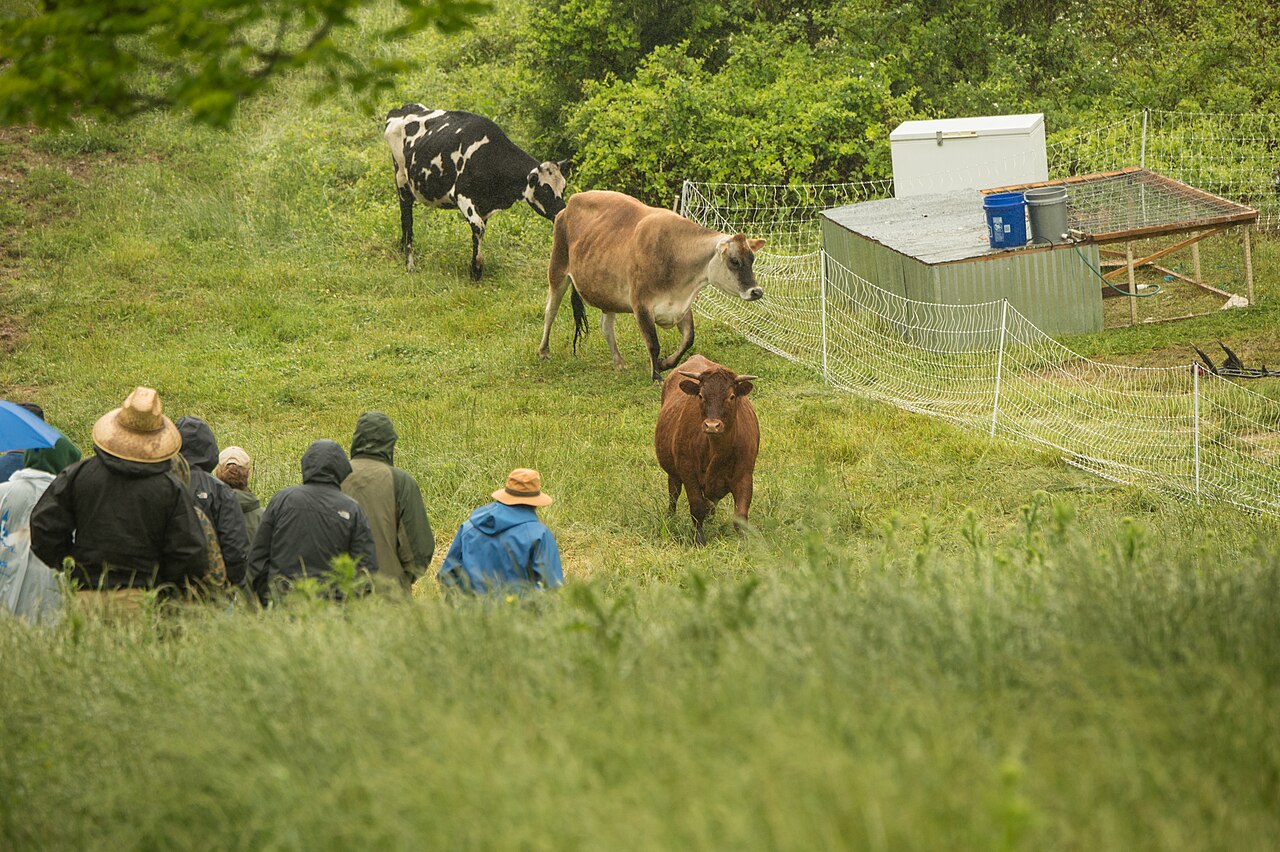
Dairy cows in organic systems typically live longer than their conventional counterparts, often cited as roughly 5–7 years versus 3–4 in intensive conventional systems, though published figures vary by country and breed.
The Three-Year Transition
Any farm converting from conventional must follow organic rules for three years before certification. During transition:
- Must follow all organic rules
- Pesticide residues from conventional practices must clear the soil
- Farmer receives organic prices only after certification
Typical transition losses: €500–1,500 per hectare per year. Many farms that start transition don't finish. Those that do typically break even around year 5–6.
Yield and Scale
Organic farms produce, on average, 80–85% of conventional yields. Varies by crop: pasture/legumes nearly 100%, fruits 85–95%, vegetables 80–90%, cereals 70–80% (worst performer). The yield gap is a real cost and the basis for the legitimate argument that scaling organic globally would require more land.
What It Looks Like on the Ground
More hedgerows. More biodiversity in margins and between fields. Smaller fields on average. More attention to timing, rotation, and observation. Less reliance on a single herbicide or fungicide to rescue a crop. More labor, organic farms typically employ 20–30% more labor per hectare.
The pace is slower by design. The work is harder. The yields are lower. In exchange: the soil improves over time, biodiversity is measurably higher, pesticide residues on produce are dramatically lower, and the antibiotic resistance footprint in the food system is reduced.
Whether that trade-off is worth it is a judgment each shopper has to make. But the work on the farm is real, documented, and verifiable, and it's what separates a certified organic carrot from a conventional one.
Keep reading
More from our library on food & farming.
The Dirty Dozen and Clean Fifteen, What to Know
Which produce carries the heaviest pesticide load and which is mostly safe conventional. A practical prioritization guide.
ReadOrganic vs. Conventional: What the Science Says
Nutrition, environment, health, climate, what does the actual evidence show? An honest look at where organic wins, where it ties, and where it doesn't.
ReadThe Complete Guide to Organic Dairy
Organic milk, butter, cheese, and yogurt, what certification requires, how it affects taste and nutrition, and what to prioritize.
Read