
The Complete Guide to Organic Dairy
Organic milk, butter, cheese, and yogurt, what certification requires, how it affects taste and nutrition, and what to prioritize.
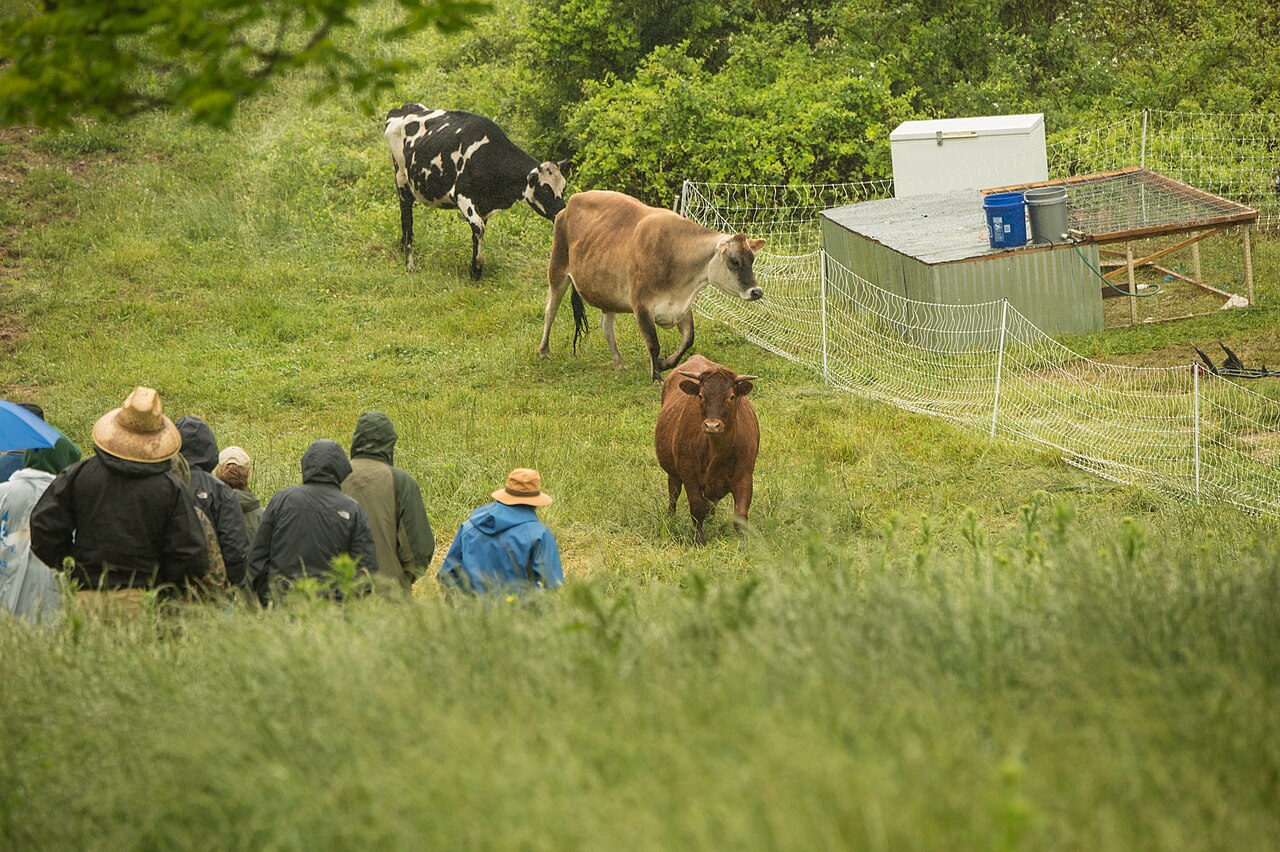
Dairy is one of the food categories where organic rules have the biggest practical effect on how the food is produced. The gap between conventional and organic dairy farming is larger than for most crops.
What Organic Dairy Requires
For milk, butter, cheese, or yogurt to be labeled organic:
Feed must be 100% organic. Grass, hay, any grain supplement, all certified. Drives up feed costs 20–40% over conventional.
Routine antibiotics prohibited. Antibiotics can treat a specific diagnosed illness, but with strict limits: under EU Regulation 2018/848, if an animal receives more than three courses of allopathic veterinary treatment (or one course for short-lifespan animals) in 12 months, it loses organic status, and any individual treatment requires a withdrawal period at least double the official one before its products can be sold as organic. Organic dairy farms invest heavily in preventive health, better nutrition, lower stocking densities, more attention to hygiene.
Synthetic growth hormones prohibited entirely. rBST in the US was banned from organic and has been phased out by most conventional operations. EU banned it everywhere since 2000.

Pasture access required. US (NOP Pasture Rule, 2010): at least 120 days of grazing and a minimum 30% of dry matter intake from pasture during the grazing season. EU (Regulation 2018/848): the daily ration for ruminants must consist of at least 60% roughage, fresh or dried fodder, or silage, with limited derogations during the early lactation period.
Stocking density limited. Maximum 2 livestock units per hectare of farmland.
These rules are why organic dairy cows live longer (5–7 years vs 3–4 in conventional), spend more time outside, and require more attentive husbandry.
Nutritional Differences
Real but modest.
Omega-3: Organic milk averages 50% higher. Even the higher figure is small, a glass of organic whole milk has about 150mg omega-3 vs 100mg in conventional. A serving of salmon has 2,000+mg. Milk (organic or not) is not an efficient omega-3 source.
CLA (conjugated linoleic acid): Organic milk has about 40% more. Health effects investigated with mixed results.
Saturated fat, cholesterol, vitamins, minerals: Essentially identical.
Honest conclusion: organic dairy has a slightly better fatty acid profile. Not enough to make milk choice a major nutritional decision.
Taste and Quality
More subjective but consistent patterns:
- Grass-fed organic milk: More complex flavor, slightly "grassier," richer, varied across seasons
- Organic butter from pastured cows: Noticeably more yellow due to beta-carotene in grass. Similar to traditional French butter.
- Aged cheeses from organic milk: Often more complex flavor development. More about the farming system than certification per se.
For pasteurized supermarket milk, flavor difference between organic and conventional is subtle and often within brand-to-brand variation.
Environmental and Welfare Trade-offs
Organic dairy has genuine welfare and biodiversity advantages. Pasture requirement means more time outside. Longer lifespan means less replacement pressure.
On climate: organic dairy is usually slightly worse per liter. Pasture-fed cows produce more methane and less milk per day. Studies typically find 10–20% higher greenhouse gas emissions per liter for organic.
Not a reason to dismiss organic dairy, welfare, antibiotic resistance, biodiversity benefits are real, but a reason to be skeptical of anyone claiming organic dairy is better on every dimension.
Buying Guide by Product
Milk: The easiest organic win. Premium 50–100%. Start here.
Butter: Noticeably different from commodity butter. Look for organic butter from pasture-fed cows specifically. Deeper yellow color is a real signal. Premium 30–100%.
Cheese: Where quality differences can be largest, especially aged cheeses. Premium 40–80%.
Yogurt: Many organic yogurts are good, but so are many conventional yogurts from small, quality-focused dairies. Look for minimal ingredients, milk, cultures, maybe cream. Anything else is fillers.
Cream: Less pronounced flavor difference. Worth buying organic if you use a lot.
Ice cream: Tends to use organic milk plus organic sugar. Worth buying for the milk quality. Other ingredients vary wildly across brands.
In Iceland Specifically

Icelandic dairy has distinct characteristics. The Icelandic cow is a settlement breed, kept essentially isolated for over a thousand years, and carries predominantly A2 beta-casein genetics. Research comparing A2A2 milk to A1-containing milk has found higher protein and total solids, which helps explain why Icelandic skyr is naturally thicker and higher-protein than most dairy traditions.
Organic Icelandic dairy is produced by Biobú (Mosfellsbær), Iceland's dedicated organic dairy, certified by Tún. Biobú makes a full line of milk, skyr, yogurt, butter, cream, and ice cream, and is stocked in all the major Icelandic supermarket chains (Bónus, Krónan, Hagkaup, Nettó) at a meaningful premium to conventional Icelandic dairy.
Bottom Line
Organic dairy is one of the higher-value organic purchases. Practical differences in how animals are raised are large. The antibiotic resistance case is strong. Welfare improvements are real. Flavor is often better, particularly for butter and aged cheeses. Climate case is weak. Direct health case is modest. Welfare case is strong.
If buying selectively: organic milk and butter are excellent starting points. Yogurt and cream if you use a lot. Cheese for the quality premium.
Keep reading
More from our library on food & farming.
How Organic Farming Actually Works
Crop rotation, composting, biological pest control, livestock standards, a practical look at what organic farmers actually do differently.
ReadThe Dirty Dozen and Clean Fifteen, What to Know
Which produce carries the heaviest pesticide load and which is mostly safe conventional. A practical prioritization guide.
ReadOrganic vs. Conventional: What the Science Says
Nutrition, environment, health, climate, what does the actual evidence show? An honest look at where organic wins, where it ties, and where it doesn't.
Read