
Organic vs. Conventional: What the Science Says
Nutrition, environment, health, climate, what does the actual evidence show? An honest look at where organic wins, where it ties, and where it doesn't.
The case for organic food is often made with more enthusiasm than evidence. The case against it is often made with more cynicism than fairness. The actual scientific picture is more interesting than either side admits.
Nutrition: Mostly a Tie
The largest meta-analyses consistently find little to no difference in macronutrients (protein, fat, carbohydrates) between organic and conventional produce. Micronutrient differences exist but are modest, the 2014 Barański et al. British Journal of Nutrition meta-analysis is the most-cited reference:
- Antioxidants/polyphenols: ~17% higher in organic produce (95% CI 3–32%)
- Vitamin C: ~6% higher on average (wide confidence interval; easily masked by storage time)
- Omega-3 fatty acids: Modestly higher in organic milk and meat, mostly attributable to pasture feeding, not organic rules per se
The nutrient variation between two different varieties of the same vegetable is typically larger than the organic-vs-conventional difference. If you're buying organic for nutrition alone, you're buying it for a marginal benefit. Your overall diet matters far more.
Pesticide Exposure: A Clear Organic Win
This is the strongest evidence-based case for organic. Barański's meta-analysis found detectable pesticide residues in roughly 11% of organic samples (95% CI 7–14%) versus 46% of conventional samples overall, with the rate rising to around 75% for conventional fruit specifically. Studies measuring urinary pesticide metabolites (organophosphates in particular) consistently find that switching to an organic diet drops those markers substantially, typically well over half, within a week. Whether this exposure reduction is health-relevant depends on who you are:

- Typical adults with varied diets: Modest benefit. Residue levels are usually well below EPA reference doses.
- Pregnant women and young children: Several studies correlate prenatal organophosphate exposure with small reductions in IQ and increased ADHD-related symptoms. Effect sizes are small but consistent.
- Farmworkers: Exposure is orders of magnitude higher than consumer exposure. Organic meaningfully reduces occupational risk.
- Frequent eaters of Dirty Dozen items: Cumulative exposure is higher than average.
Environmental Impact: Mixed
Organic wins on:
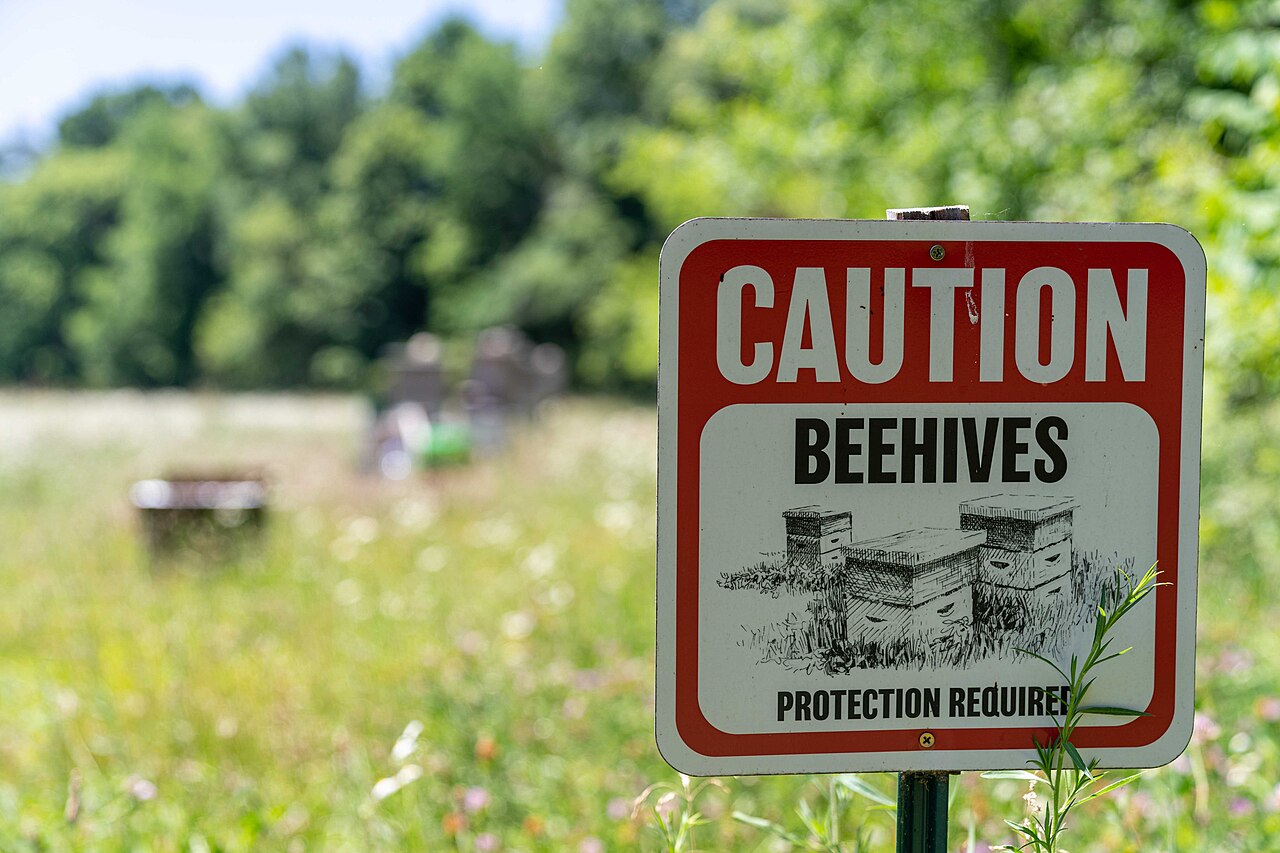
- Biodiversity: Tuck et al.'s 2014 meta-analysis in the Journal of Applied Ecology found species richness about one-third (≈30%) higher on organic farms, with pollinators showing one of the largest effects (around 30% higher in arable systems).
- Soil health: Meta-analyses find meaningfully higher soil organic carbon on organic farms, roughly 7% higher SOM concentration and higher topsoil carbon stocks on average.
- Water quality: Lower synthetic-nitrogen inputs translate into reduced nitrate leaching and runoff.
- Pesticide impact on ecosystems: Lower synthetic-pesticide load means less harm to beneficial insects, birds, and aquatic life.
Organic ties or loses on:
- Greenhouse gas emissions per calorie: Lower emissions per hectare but lower yields mean more land needed. Per-calorie, roughly a wash.
- Land use efficiency: Conventional wins. Same food requires about 20% more land organically.
The environmental picture: organic is clearly better for the land it farms but farms less intensively. Broader ecosystem impact depends on what happens on the land that isn't being farmed.
Climate: Honestly, It's a Wash
Where many organic advocates oversell. Per hectare, organic farms emit less greenhouse gas. Per kilogram of output, the picture is mixed. Specific crops:
- Organic dairy: 10–20% higher emissions per liter (lower milk yield per cow)
- Organic beef: Often comparable or slightly higher per kg
- Organic cereals: Generally comparable per tonne
- Organic vegetables: Often slightly lower per tonne
Soil carbon sequestration partially offsets the yield gap, but the effect saturates as soil reaches new equilibrium. If climate is your primary concern: reduce meat (especially beef), buy seasonal and local where feasible, reduce food waste. Organic vs conventional is a smaller lever.
Antibiotic Resistance: A Clear Organic Win
Organic livestock cannot receive routine antibiotics. Treated animals lose organic status. This creates economic incentive to prevent illness through good husbandry. Result: studies have measured meaningfully lower rates of antibiotic-resistant bacteria in organic livestock, Lancet meta-analyses generally find 15–32% reductions, with one Johns Hopkins study finding ~56% fewer multidrug-resistant strains. The exact figure depends on the bacterial species, livestock type, and study methodology. The bacteria in their manure, which spreads into soil, water, food chains, are less likely to carry resistance genes. Antibiotic-resistant infections kill about 35,000 people per year in the US and 1.27 million globally.
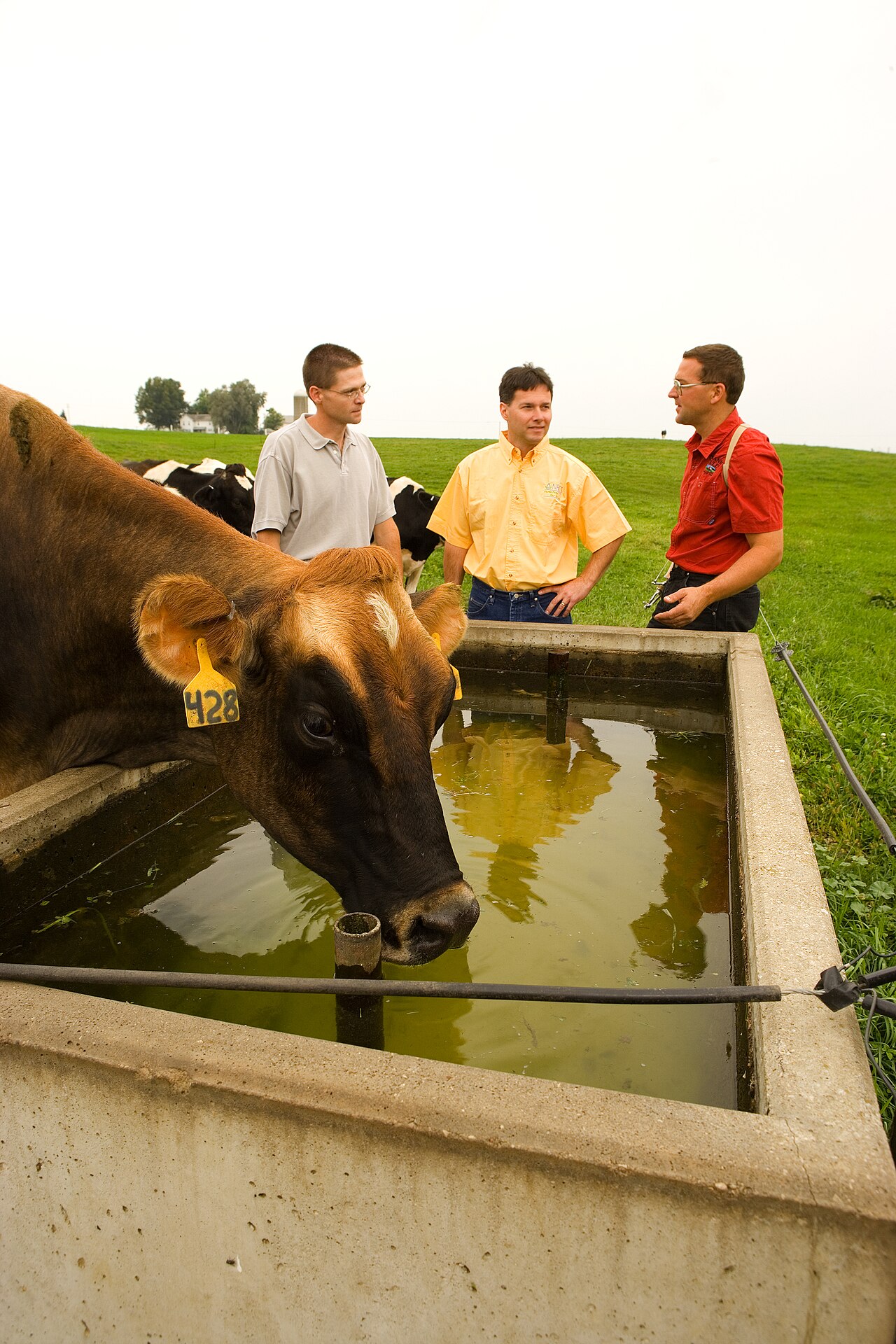
A meaningful fraction is driven by agricultural antibiotic use. Buying organic meat and dairy is one of the clearest consumer actions that reduces antibiotic resistance selection pressure.
Putting It Together
Clear organic wins: Lower pesticide exposure (especially for children and pregnant women), lower antibiotic resistance footprint, higher biodiversity, better soil health over time
Mixed: Environmental impact overall, climate
Ties: Nutrition, calorie-per-footprint for many staples
Clear conventional wins: Yield per hectare, lower consumer price
Organic is not a panacea. It's not dramatically more nutritious. It's not always better for the climate. It is measurably better on a specific set of concerns that matter to many people, and it costs more because producing food that way is genuinely more expensive. The strongest consumer cases for organic are: pesticide exposure for children and pregnant women, antibiotic resistance for meat and dairy, biodiversity for anyone who values farm ecosystems. The weakest: nutrition alone, climate alone, a general sense that organic is always better for everything.
Keep reading
More from our library on food & farming.
How Organic Farming Actually Works
Crop rotation, composting, biological pest control, livestock standards, a practical look at what organic farmers actually do differently.
ReadThe Dirty Dozen and Clean Fifteen, What to Know
Which produce carries the heaviest pesticide load and which is mostly safe conventional. A practical prioritization guide.
ReadThe Complete Guide to Organic Dairy
Organic milk, butter, cheese, and yogurt, what certification requires, how it affects taste and nutrition, and what to prioritize.
Read