
Organic Bedding: Worth the Investment?
Sheets, mattresses, pillows, duvets, where organic matters most in the bedroom and where you're just paying for marketing.
We spend roughly a third of our lives in contact with bedding. That's more skin contact than most clothing, for longer durations, with less airflow. If there's a category where organic textiles matter, the bed is a strong contender. This is a practical guide to what organic bedding means, where the investment pays off, and where the premium is marketing more than substance.
What Organic Bedding Certification Means
Most organic bedding is certified under:
GOTS (Global Organic Textile Standard): Covers fiber (95% organic for full certification, 70% for "made with organic"), dye and chemical restrictions, processing standards, social criteria.
GOLS (Global Organic Latex Standard): For natural latex mattresses and pillows. Requires certified organic latex.
GREENGUARD Gold: Not organic but tests for low chemical emissions (VOCs). Important for mattresses.
CertiPUR-US: For polyurethane foam. Not organic, but certifies that foams meet certain safety standards. Better than uncertified polyfoam but not in the same category as natural latex.
Sheets: The Easy Upgrade
GOTS-certified organic cotton or linen sheets are widely available. The difference from conventional cotton sheets:
- Softer after washing, organic cotton fiber is usually longer-staple and less chemically treated
- No chemical residues, conventional cotton sheets often retain formaldehyde-based wrinkle treatments
- More durable, because the fibers haven't been degraded by bleaching and chemical treatments
- Hypoallergenic, relevant for sensitive skin and children
Thread count is misleading. Marketing has trained people to value high thread count. The actual signal is fiber quality and construction:
- Long-staple cotton (Egyptian, Pima, Supima) is noticeably better than regular cotton regardless of thread count
- Percale weave (crisp, cool) vs sateen weave (silky, warm), preference matters more than count
- 300–400 thread count of quality long-staple cotton is better than 1000 of short-staple
For linen bedding: thread count doesn't apply. Look for European Flax / Masters of Linen certification (the flax grown and processed in France, Belgium, or the Netherlands) and GOTS processing.
Brands worth knowing:
- Coyuchi: GOTS-certified, strong organic focus
- Boll & Branch: Fair Trade + organic cotton
- Parachute: Some organic lines
- Bedthreads: Strong linen bedding, various certifications
- West Elm organic: Mid-range mainstream option
- IKEA some lines: Occasional GOTS options
Typical pricing: Quality GOTS cotton sheet set (king): $150–$400. Premium brands: $300–$800. Linen: $200–$500 for a set.
Mattresses: The Big Decision
Mattresses are where organic bedding gets complicated and expensive.
The conventional mattress problem:
- Polyurethane foam can off-gas VOCs (formaldehyde, acetaldehyde, toluene, with trace benzene in some products). Emissions are highest in the first week and drop steeply (often 50–80% by day 7)
; low residual emissions can continue for weeks to months. The practical health concern is highest in the first 72 hours, airing out a new mattress in a well-ventilated room helps.
- Flame retardants are required by law in most countries; additives used include brominated, chlorinated, and phosphate-based compounds (newer retardants such as Firemaster 550 also raise endocrine-disruption questions).
- Adhesives can release formaldehyde.
Organic mattress alternatives:
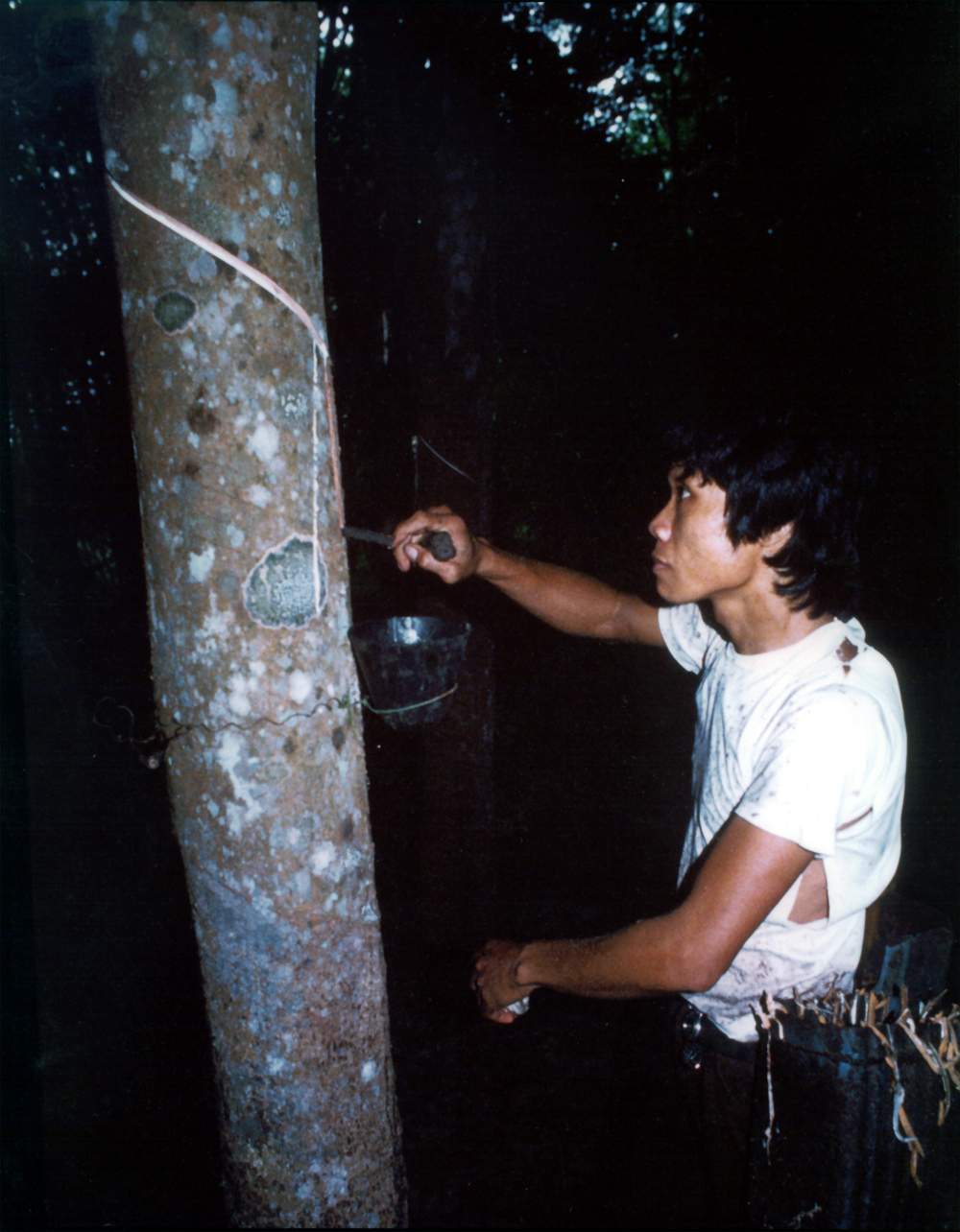
- Natural latex: Made from rubber tree sap. Durable (commonly 12–20 years in independent reviews), responsive, supportive. Look for 100% natural latex (not "natural" blends with synthetic latex).
- Organic cotton: For covers and some fills. Soft, breathable, washable.
- Organic wool: Natural flame retardant (meets regulations without chemical additives), temperature regulating, moisture wicking.
- Hemp or linen: Less common, very durable.
What to look for:
- GOTS certification for cotton components
- GOLS for latex
- GREENGUARD Gold for low VOC emissions (organic mattresses should pass easily)
- No added chemical flame retardants (wool provides natural flame retardancy)
- Transparent material disclosure
Brands:
- Avocado (fully organic, moderate to high pricing)
- Naturepedic (certified organic, hypoallergenic focus)
- Saatva Zenhaven (GOLS-certified organic latex, GOTS organic cotton and wool, GREENGUARD Gold)
- Essentia (natural latex with varying levels of organic certification)
- Ecobaby Organics (baby and crib specific)
Typical pricing: Organic queen mattresses: $1,800–$4,500. Premium: $5,000+. This is the largest single organic home purchase most people make.
Is It Worth It?
The mattress off-gassing problem is real but often overstated in marketing. Modern conventional mattresses (CertiPUR-US certified) have significantly lower VOC emissions than older foam products. The difference between a quality conventional mattress and an organic mattress in terms of chemical exposure is smaller than in previous decades.
The case for organic mattresses is strongest for:
- Young children (developing systems)
- Pregnant women
- Severe chemical sensitivities
- Long-term ownership (the 20+ year life of natural latex vs. 8–10 for polyurethane)
For average adults without specific sensitivities, a well-chosen CertiPUR-US mattress is probably fine. Spending $4,000 on an organic mattress while spending $30/week on conventional cleaning products and $100/week on fast food might not be the highest-impact health investment.
Pillows
Organic options:
- Organic cotton: Soft, affordable, washable. Not as supportive as other options.
- Natural latex: Firm, supportive, durable 5–10 years. Good for side sleepers.
- Organic wool: Moisture-wicking, temperature regulating. Can be clumpy without regular fluffing.
- Kapok: Plant-based fiber. Very soft, light, cool.
- Buckwheat hulls: Traditional Asian pillow. Supportive, breathable, unusual feel.
Pillows generally need replacing every 1–3 years (conventional or organic) due to dust mite accumulation and loss of support. Organic doesn't change this.
Brands:
- Avocado
- Coyuchi
- Birch by Helix
- Saatva
Duvets and Comforters
Down vs down-alternative:
- Organic down: Responsible Down Standard (RDS) certified + organic cotton shell. Warm, light, durable.
- Organic wool fill: Natural temperature regulation, moisture wicking, typically heavier than down.
- Organic cotton fill: Washable, affordable, but heavier.
- Kapok fill: Lighter alternative to wool.
Look for organic cotton shells (GOTS) regardless of fill choice.
The Honest Hierarchy
If you're starting organic bedding from scratch, priority order:
- Sheets and pillowcases, direct skin contact, frequent replacement, moderate cost
- Pillows, direct head/face contact, replaced periodically
- Duvet covers, cover the duvet, direct skin contact
- Duvets themselves, enclosed by cover, lower direct exposure
- Mattress toppers, adds organic comfort layer without replacing the mattress
- Mattress itself, biggest investment, most impact for those with specific sensitivities
For most households, upgrading sheets and pillowcases to GOTS organic cotton is the highest-value organic bedding move. It's affordable relative to a mattress, provides noticeable comfort improvement, and addresses the direct-skin-contact issue.
A full organic bedroom is an ideal. An organic bedding setup built up over time, sheets first, pillow next, eventually the mattress when the current one wears out, is practical.
Keep reading
More from our library on home.
Non-Toxic Home: Beyond Cleaning Products
Paint, furniture, kitchenware, the less-obvious places synthetic chemicals live in your home and what to do about them.
ReadOrganic in the Nursery: A Parent's Guide
Cribs, mattresses, bedding, changing pads, toys, what actually matters when setting up a nursery and where to save money.
ReadThe Complete Guide to Organic Certification Logos
USDA, EU leaf, Demeter, JAS, Tun, what every organic logo means, who issues them, and how to verify they're legitimate.
Read