How organic milk, cheese, and butter are actually made
A walk from the pasture to the carton, what organic certification actually requires of a dairy farm, and how the Icelandic version differs from the continental one.
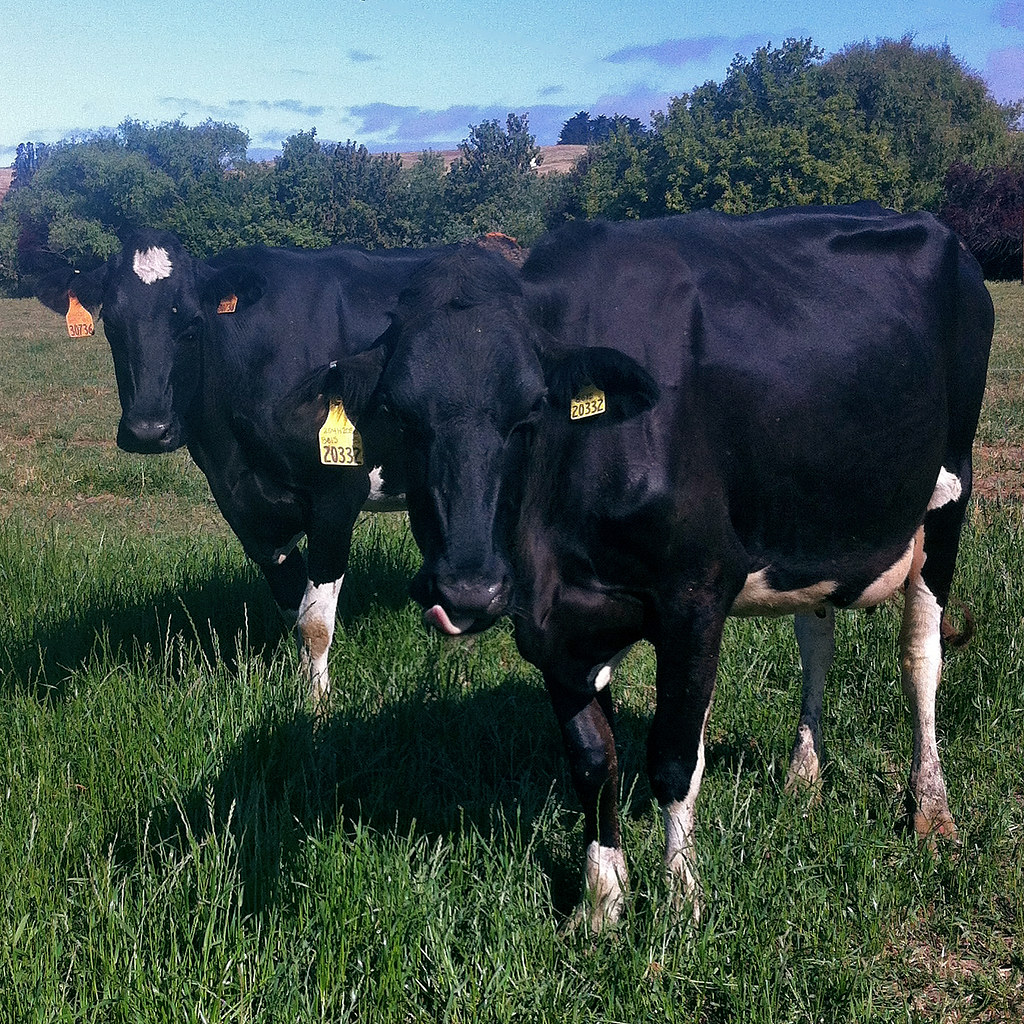
Most dairy shoppers have a rough mental image of an organic dairy farm, cows on grass, no hormones, no antibiotics. That's directionally right. But "organic" on a milk carton is the end of a long chain of specific requirements, and it's worth walking the chain end to end, because the details matter more than the vibe.
The pasture
Organic dairy starts with land. Under EU Regulation 2018/848, the rulebook that applies in Iceland through the European Economic Area, the land a cow grazes on must itself be managed organically: no synthetic fertilizers, no synthetic pesticides, and a conversion period of at least two years before the forage it produces can be called organic.
The rules require that ruminants have "access to pasture whenever conditions allow." That phrase is softer than most people expect. The regulation does not specify a minimum number of grazing days per year or hours per day, it leans on the judgment of the certifier and the local climate. In practice, a certified organic dairy in southern Europe might graze its cows for eight months a year, while an Icelandic farm might graze them for three or four and keep them indoors on organic hay and silage through the dark winter.
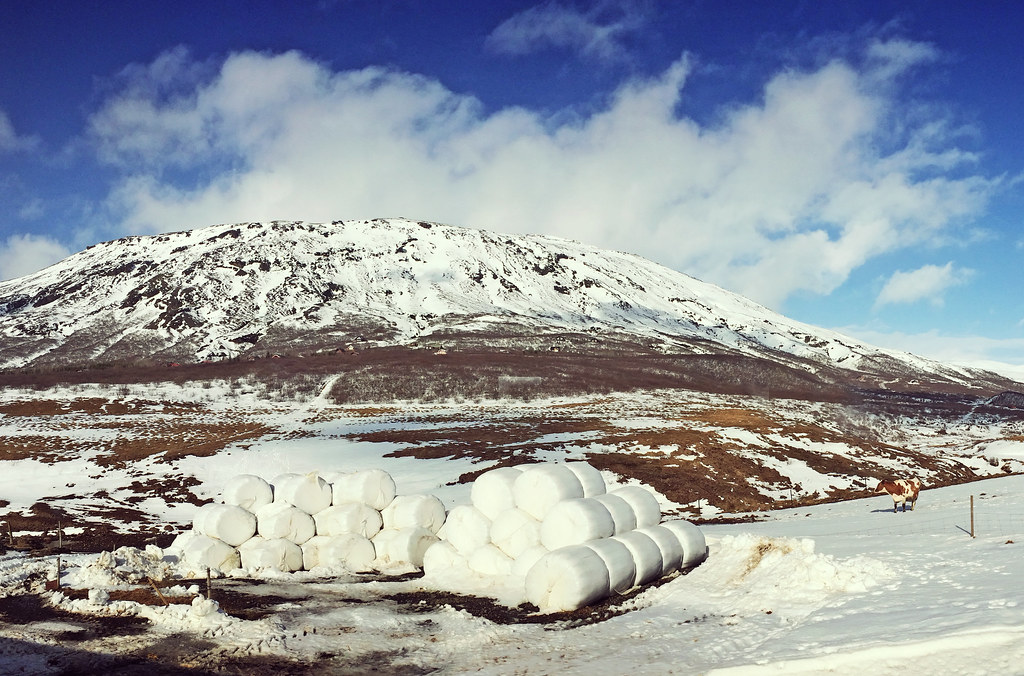
Tethering cows inside is forbidden, with one narrow exception: very small holdings (up to 50 animals) can seek a derogation if the cows still get pasture during the grazing season and regular outdoor exercise the rest of the year.
The feed
The feed rule is strict: 100% of the feed ration must be certified organic, and for ruminants at least 60% of the daily dry matter must come from roughage, grass, hay, silage, or fresh forage. For dairy cows in their first three months of lactation, that minimum can drop to 50%, which is a concession to the energy demands of peak milk production.
In other words, an organic dairy cow is not allowed to be mostly a grain-eater. The biology of a cow is a grass biology, and the regulation is written to keep it that way.
The cow
Routine antibiotics are not allowed. Neither are growth hormones like rBST, which are banned across the EU regardless of organic status. If a cow gets sick, she can be treated with conventional medicine, organic rules explicitly put animal welfare above label purity, but after treatment she is held out of the organic supply chain for a withdrawal period that is usually at least double the legal conventional minimum. A cow treated more than a set number of times in a year loses her organic status entirely.
Breeds don't have to be traditional or native, but the regulation prefers breeds "adapted to local conditions." On Icelandic organic farms that usually means the Icelandic cattle breed, which is small, hardy, and built for this climate.
The milking and processing
Once milk leaves the cow, it enters the food processing chain, and organic rules continue to apply. An organic dairy processor has to keep organic milk physically separate from any conventional milk it also handles, clean equipment between batches, and document every step. The finished product can contain only ingredients and processing aids on the EU's approved organic list, a short list that excludes most emulsifiers, synthetic colors, and artificial flavors common in conventional dairy.
Pasteurization is allowed. UHT is allowed. Homogenization is allowed. Organic does not mean raw. It means the milk passed through a controlled, audited supply chain from the udder to the carton.
Cheese
Organic cheese follows the same rules, plus one more wrinkle: the cultures and rennet have to come from approved sources. Microbial rennet is fine; animal rennet is fine if it comes from organically raised animals; GMO-derived rennet is not. The aging process itself is unregulated, an organic cheddar ages the same way a conventional one does.
Butter and cream
Butter is mechanically simple: churn organic cream until the fat separates. The rules mostly govern what you're allowed to add back in. Organic butter can be salted or unsalted; it cannot contain synthetic preservatives, artificial colors like annatto-adjacent dyes outside the approved list, or flavorings outside the approved list.
The
Iceland twist
A few things make Icelandic organic dairy distinctive.
- Geothermal heat makes year-round indoor housing energy-cheap in a way it isn't on the continent. An Icelandic organic dairy barn in January can be warm without burning fossil fuel.

- Winter indoor time is longer. Certifiers accept this because the alternative, grazing cows on frozen ground in a blizzard, would be a welfare violation, not a welfare virtue.
- TÚN Vottun is the domestic certifier. TÚN follows EU 2018/848, so a TÚN-certified Icelandic organic milk carries the same green EU leaf as an organic milk from Denmark and can be sold anywhere in the EU.
What to look for on the carton
- The EU organic leaf logo, or "Lífrænt vottað" with a TÚN reference, or both.
- A named certifier code (e.g. "IS-ÖKO-401" or equivalent), this is the paper trail.
- The country of origin of the milk itself, not just where it was bottled.
Organic dairy is not a magic product. It's a carefully audited one.
The label is a promise about how the cow was fed, how she was housed, what she was treated with, and what was allowed to be added to her milk on the way to you, and for a shopper who cares about those things, it is the most reliable promise currently available.
Keep reading
More from our library on products.
Organic meat and what the label guarantees about animal welfare
What an organic label does and doesn't promise for beef, lamb, pork and poultry, and where Icelandic lamb sits on the welfare spectrum already, with or without the certification.
ReadOrganic grains and bread, from field to loaf
How organic grain farming actually works, why rotation is the whole game, and what "organic bread" really guarantees once the grain leaves the field.
ReadGrowing organic vegetables and root crops
What it actually takes to grow organic carrots, potatoes, onions, cabbage, and leafy greens, and why Iceland's short seasons and geothermal greenhouses change the equation.
Read