Organic grains and bread, from field to loaf
How organic grain farming actually works, why rotation is the whole game, and what "organic bread" really guarantees once the grain leaves the field.
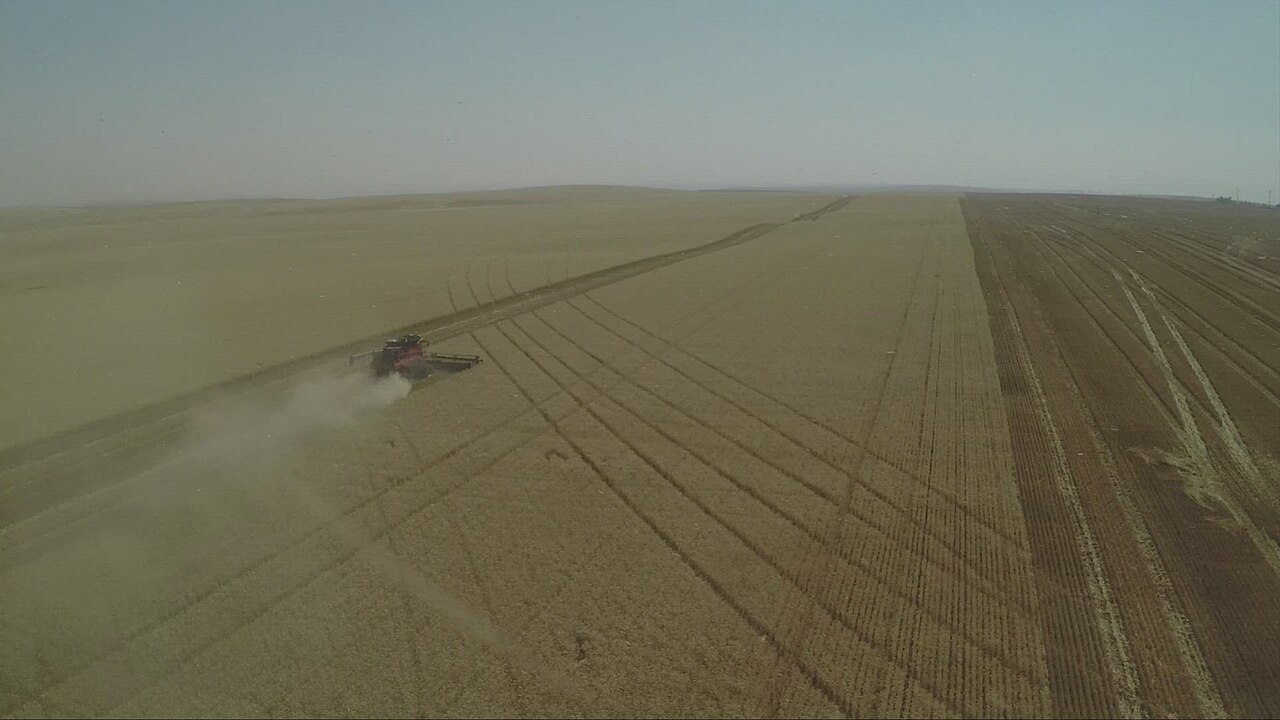
Grain is the quiet backbone of organic farming. It isn't glamorous, it doesn't photograph well, and most shoppers barely think about it when they pick up a loaf of bread. But on a working organic farm, the grain field is often where certification is won or lost, because grains are where organic's two hardest problems, weeds and nitrogen, come together.
The rotation is the farm
A conventional wheat field can be sprayed clean and fed synthetic nitrogen, so the same field can grow wheat year after year if the soil holds up. An organic grain field can't. Without herbicides, weeds accumulate with every repeat planting. Without synthetic nitrogen, the soil is slowly emptied of the one nutrient grain needs most.
The organic answer is rotation. A typical certified organic grain farm cycles through something like:
- Year 1–2: a nitrogen-fixing legume (clover, alfalfa, field peas, vetch), either as a cash crop or as a green manure ploughed back under
- Year 3: a cereal that likes the boost (wheat, rye)
- Year 4: a second, less demanding cereal (oats, barley)
- Year 5: a root crop or vegetable that breaks the cereal disease cycle
- Year 6: back to a legume
The exact pattern varies by climate
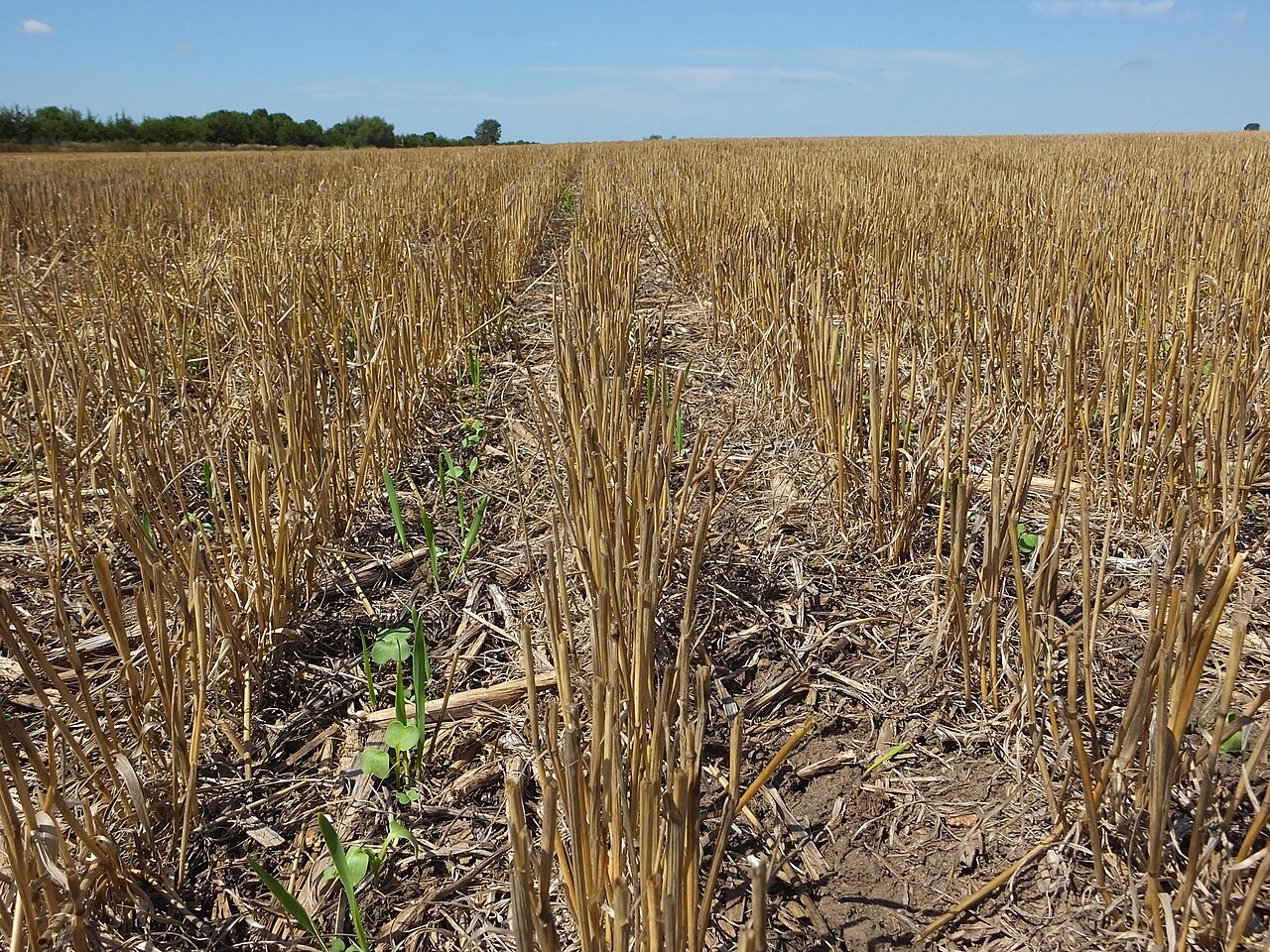
, soil, and market, but the principle is fixed: no cereal follows a cereal unless the field has been reset. Certifiers inspect the rotation plan on every annual audit, and a farm that cuts the rotation short to chase a high wheat price loses its certification.
This is the part shoppers never see. The bag of organic flour at the store is the product of a whole farm's worth of planning done three or four years earlier.
What's allowed, and what isn't
Under EU Regulation 2018/848, an organic grain field cannot use:
- Synthetic nitrogen, phosphorus, or potassium fertilizers
- Herbicides of any kind, including glyphosate
- Synthetic fungicides and insecticides
- GMO seed or any seed treated with non-approved chemicals
It can use:
- Composted manure from organic (or sometimes conventional, with constraints) livestock
- Green manures, legumes turned into the soil
- Rock minerals and approved natural amendments (limestone, gypsum, etc.)
- Mechanical weeding, tined weeders, flame weeders, inter-row hoes
- A short list of biological pest controls (Bt for caterpillars, some pheromone traps, approved soaps)
The biggest surprise for most people: copper-based fungicides are allowed in organic grain for disease pressure, with tightening annual limits. This isn't a loophole, it's a compromise. Copper is a heavy metal and it accumulates in soil, so the EU caps it and keeps pushing the cap lower. A well-run organic grain farm uses very little. A poorly run one can run up against the limit in a wet year.
Storage is half the job
An organic grain harvest is vulnerable in storage in a way a conventional one isn't, because most of the fumigants and anti-insect treatments used in commercial silos are banned under organic rules. The approved arsenal is narrow: temperature control, inert dusts like diatomaceous earth, controlled atmosphere (low oxygen), and physical cleaning.
Farms that get this wrong lose the harvest to weevils or mould, not to a pesticide failure. It's a quieter risk than crop failure in the field, but it's a real one
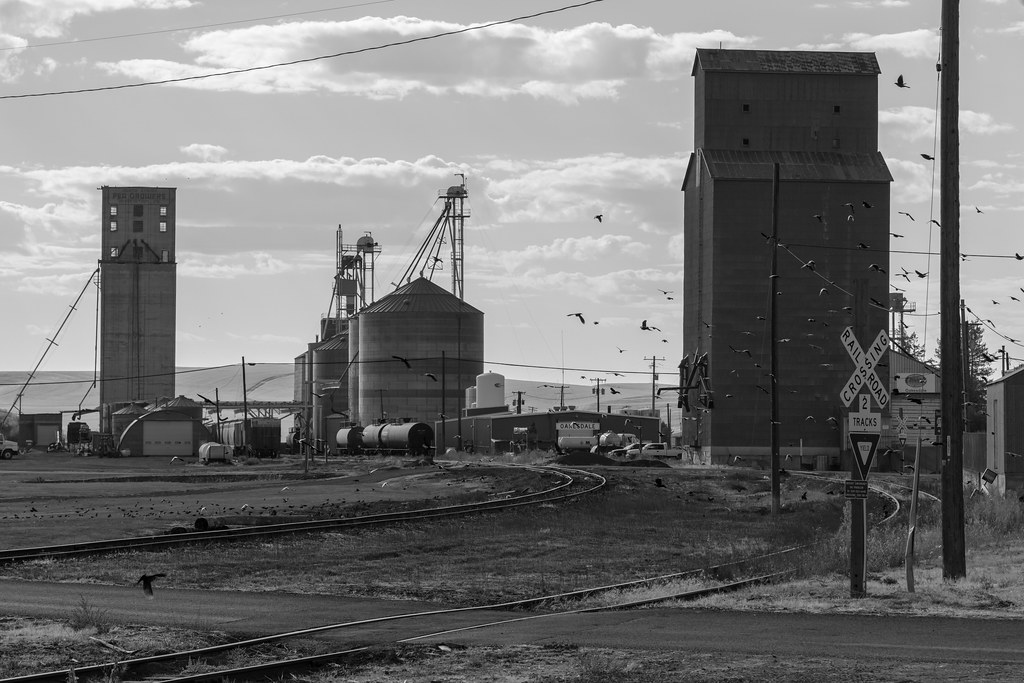
, and it's part of why organic grain is more expensive wholesale.
From grain to flour
Milling can preserve or destroy what the field produced. Three things matter:
- Stone milling vs. roller milling. Stone milling keeps the germ and bran in the flour by default. Roller milling sifts them out and typically produces whiter flour with longer shelf life. Neither is more "organic" than the other, but a stone-milled organic whole wheat carries more of the original nutrients that certification was trying to protect in the first place.
- Separation of organic from conventional. A mill that processes both has to clean every surface between runs and document it, or the organic batch loses its status.
- Additives. The EU organic list permits a narrow set of processing aids, ascorbic acid (vitamin C) and malt extract are common, for example, and bans the rest. No bleaching agents, no chemical dough conditioners, no azodicarbonamide.
What "organic bread" actually guarantees
Here is where it gets useful for a shopper. "Organic bread" means:
- Every grain-based ingredient (wheat, rye, oats, seeds, flaxmeal) is certified organic
- Any non-grain ingredients (salt, sugar, fat, yeast, dried fruit, nuts) that can be organic are organic
- The additives list is strictly the short EU organic list
- The bakery itself has documented organic handling procedures
It does not mean:
- That the bread is sourdough
- That the bread is whole-grain
- That the bread is low-salt
- That the flour was stone-milled
- That the bread was baked today
All of those are separate decisions made by the baker. An organic bread can be a fluffy white sandwich loaf made with commercial yeast and heavily processed white flour, still organic, still certified, still inferior to a whole-grain sourdough made from the same wheat by a baker who cared.
What to look for on the shelf
- The EU organic leaf or a TÚN reference on the label

, plus a list of flour types (e.g. "organic whole wheat" rather than just "organic wheat flour")
- A short ingredient list. Real bread is four to six ingredients. Ten ingredients is a warning sign regardless of certification.
- "Stone-milled" or "whole grain" as separate claims, organic is about the farm; those are about the bakery
- An indication of where the flour was actually milled, not just where the bread was baked
Organic grain farming is the kind of work that rewards patience and punishes shortcuts. A loaf made from it carries a long chain of decisions that begin years before the flour was ground, and it's worth paying for when the baker respects the chain.
Keep reading
More from our library on products.
How organic milk, cheese, and butter are actually made
A walk from the pasture to the carton, what organic certification actually requires of a dairy farm, and how the Icelandic version differs from the continental one.
ReadOrganic meat and what the label guarantees about animal welfare
What an organic label does and doesn't promise for beef, lamb, pork and poultry, and where Icelandic lamb sits on the welfare spectrum already, with or without the certification.
ReadGrowing organic vegetables and root crops
What it actually takes to grow organic carrots, potatoes, onions, cabbage, and leafy greens, and why Iceland's short seasons and geothermal greenhouses change the equation.
Read