
Organic Meat: Standards, Welfare, and What to Look For
Beef, pork, chicken, lamb, what organic certification actually requires, how it compares to other welfare labels, and how to buy well.
Buying organic meat is more complicated than buying organic produce. The certification covers different aspects of production, competing labels overlap confusingly, and the practical welfare differences vary by species.
What Organic Meat Requires
Across USDA, EU, and national organic standards:
- 100% organic feed: All grain, forage, supplements certified organic. No GMOs, no synthetic amino acids, no mammalian by-products.
- No routine antibiotics: Only to treat diagnosed illness; treated animals lose organic status.
- No synthetic growth hormones: rBST for dairy, growth implants for beef, prohibited.
- Pasture and outdoor access: Requirements vary by species; EU generally stricter than USDA.
- Stocking density limits
- Organic breeding: Born to organic mothers or raised organic from specified age.
Beef
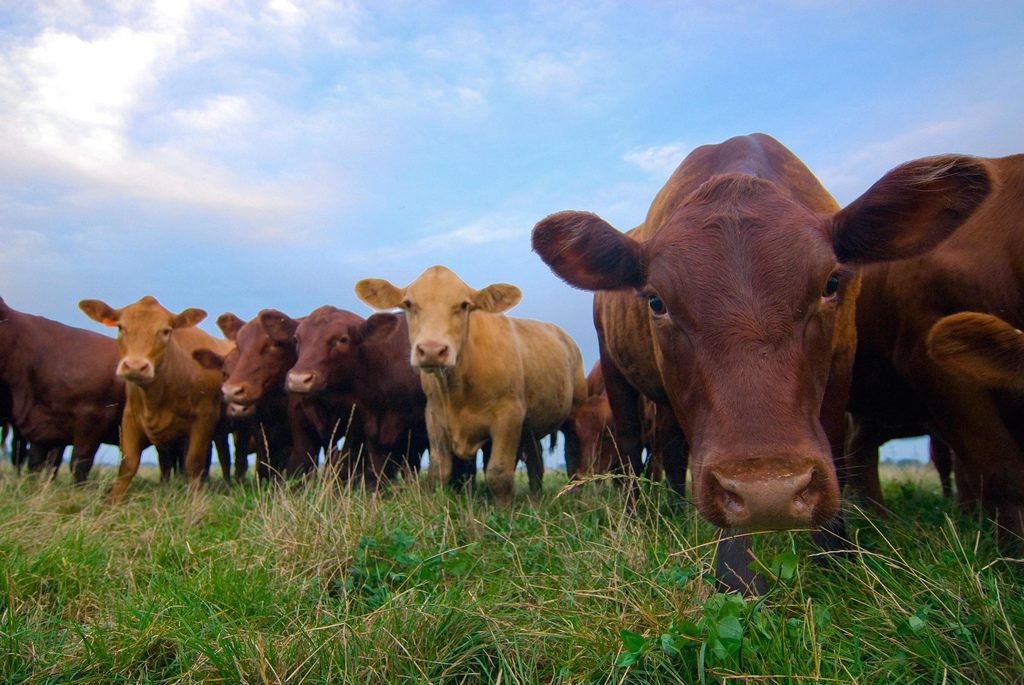
Under the USDA National Organic Program, ruminants must have a grazing season of at least 120 days per year with at least 30% of their dry-matter intake from pasture during that season. EU Regulation 2018/848 requires the daily ration of ruminants to be at least 60% forage

(fresh, dried, or silage). In practice, organic cattle spend most of their lives on grass, not feedlots. Largest welfare difference of any meat category. Conventional US beef is typically finished in CAFOs on grain diets for the last 3–6 months. Organic may be grain-finished (organic grain), but stocking density is lower and duration shorter.
Organic vs. grass-fed confusion:
- Organic AND grass-fed: Strictest combination
- Organic but grain-finished: Common
- Grass-fed but conventional: Grass not certified organic, antibiotics possible
- Conventional: Feedlot grain
If welfare and pasture matter most, look for "organic, 100% grass-fed." Premium for organic beef: 50–100%. Grass-fed organic: 100–200%.
Pork
Rarest category of organic meat. Production system is genuinely different from conventional. Organic pigs must have outdoor access. Stocking densities limited. Tails cannot be routinely docked (EU). 100% organic feed is expensive for pigs (energy-dense diets). Result: organic pork is 80–150% more expensive than conventional. Welfare improvements vary by producer, some have generous pasture access, others meet minimums. If welfare is priority, look for "pasture-raised" or "heritage breed" alongside organic. In Iceland, organic pork is essentially unavailable.
Chicken
Most variable category in terms of what "organic" delivers. USDA organic poultry rules have historically been critiqued as weaker than EU equivalents. Outdoor access requirements could be met by enclosed "porches" rather than pasture. The 2017 OLPP rule, which would have tightened this, was withdrawn in 2018; its replacement, the Organic Livestock and Poultry Standards (OLPS) rule, was finalized in November 2023 and took effect in January 2025, with a deadline of January 2029 for outdoor-density compliance at existing operations. OLPS also restricts beak trimming to the first 10 days of life and only where needed to prevent harm. EU organic rules (Regulation 2018/848) require genuine outdoor pasture access, cap indoor stocking at 21 kg live weight per square meter for broilers (roughly 6 birds depending on weight), and tightly restrict beak trimming.
Labels to look for that go beyond baseline organic:
- Pasture-raised (separate from organic, often paired)
- Free-range (regulated in EU, weaker in US)
- Animal Welfare Approved (strictest welfare label in US)
- Certified Humane
For broiler chickens (meat breeds), biggest welfare differences aren't about feed, they're about stocking density, genetic line (slow-growing vs fast-growing), and outdoor access. Slow-growing breeds have dramatically better quality of life. Organic doesn't specifically require slow-growing breeds.
Lamb
Most lamb production worldwide is already extensive (pasture-based) whether organic or not. Conventional lamb often comes from essentially the same system as organic. Main differences: organic rules prohibit routine antiparasitic drenching, require organic feed for supplementation, have stricter stocking density limits. In Iceland, most lamb is already pasture-based. Sheep spend summer on moorland grazing in relatively wild conditions.
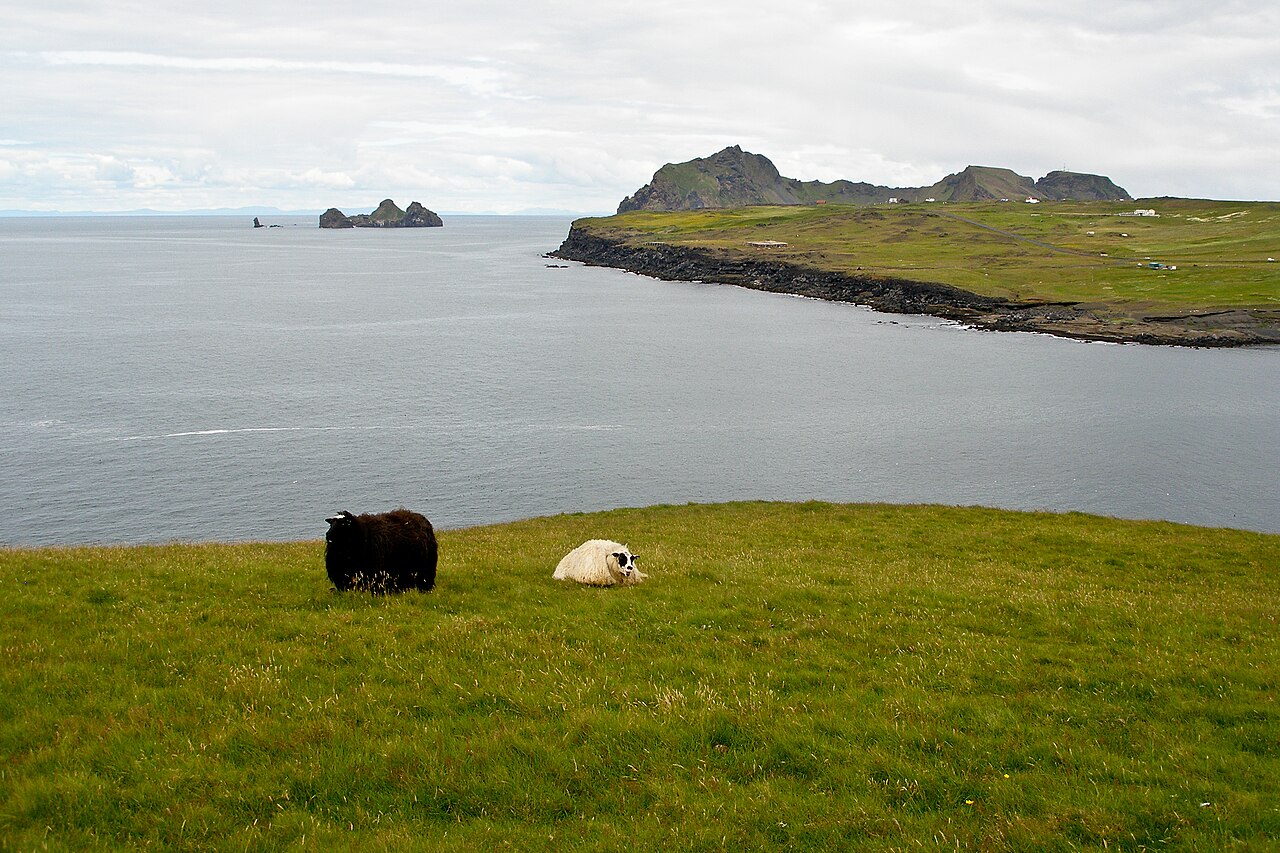
Organic Icelandic lamb (certified by Tún) is produced alongside conventional lamb in broadly similar systems. Premiums are typically lower than for beef or pork because the underlying systems are more similar.
Eggs
Requirements:
- Organic feed
- Outdoor access (genuine pasture in EU; variable in US, though OLPS tightens this)
- Indoor stocking: max 6 hens per square meter in the EU; US rules under OLPS are set in pounds per square foot (varying by housing type), generally looser than the EU cap
- No routine antibiotics
Welfare difference between conventional cage-free and organic is modest. Both typically indoor-only housing. Step up to genuine pasture-raised organic is larger.
Welfare hierarchy (worst to best):
- Caged (worst, increasingly banned)
- Cage-free indoor
- Free-range (some outdoor access, variable quality)
- Organic (organic feed, no antibiotics)
- Pasture-raised (genuine pasture, rotated flocks)
- Pasture-raised organic
How Organic Compares to Other Welfare Labels
Organic is not the highest-welfare label for most meat categories. Animal Welfare Approved (A Greener World) typically exceeds organic. Certified Humane is comparable. Global Animal Partnership 4+, Regenerative Organic Certified often exceed baseline organic. If welfare is your main priority, stack labels: organic + welfare-specific certification. Organic alone gets you most of the way for ruminants (cattle, sheep) in extensive systems. Less of the way for pigs and chickens where housing density matters more. For simplest heuristic: "organic, pasture-raised" for any meat category is very likely high-welfare.
Environmental
Organic meat is not clearly better for climate. Grass-fed systems produce more methane per kilogram. Organic beef often has higher per-kg emissions than feedlot beef. Environmental case rests on lower pesticide/fertilizer use in feed production, lower antibiotic resistance burden, higher biodiversity on pasture-based farms. Real benefits but don't add up to climate superiority. For climate, the most effective consumer action is reducing meat consumption (especially beef), not switching to organic meat.
Shopping Heuristics
- Beef: Organic + grass-fed + grass-finished is the combination to look for
- Pork: Organic is rare; if you find it, usually much better than conventional
- Chicken: Organic alone is modest; organic + pasture-raised is dramatically better
- Lamb: Organic adds less marginal benefit; local pasture-based is often close to organic without the label
- Eggs: "Pasture-raised" first, then organic for feed quality
- Iceland: Domestic lamb largely pasture-based regardless; dairy benefits most from organic; chicken usually intensive even when organic
Keep reading
More from our library on food & farming.
How Organic Farming Actually Works
Crop rotation, composting, biological pest control, livestock standards, a practical look at what organic farmers actually do differently.
ReadThe Dirty Dozen and Clean Fifteen, What to Know
Which produce carries the heaviest pesticide load and which is mostly safe conventional. A practical prioritization guide.
ReadOrganic vs. Conventional: What the Science Says
Nutrition, environment, health, climate, what does the actual evidence show? An honest look at where organic wins, where it ties, and where it doesn't.
Read