Why Organic Costs More (and When It's Worth It)
A breakdown of yield, labor, certification, and supply chain factors, plus a practical framework for when the premium pays off.
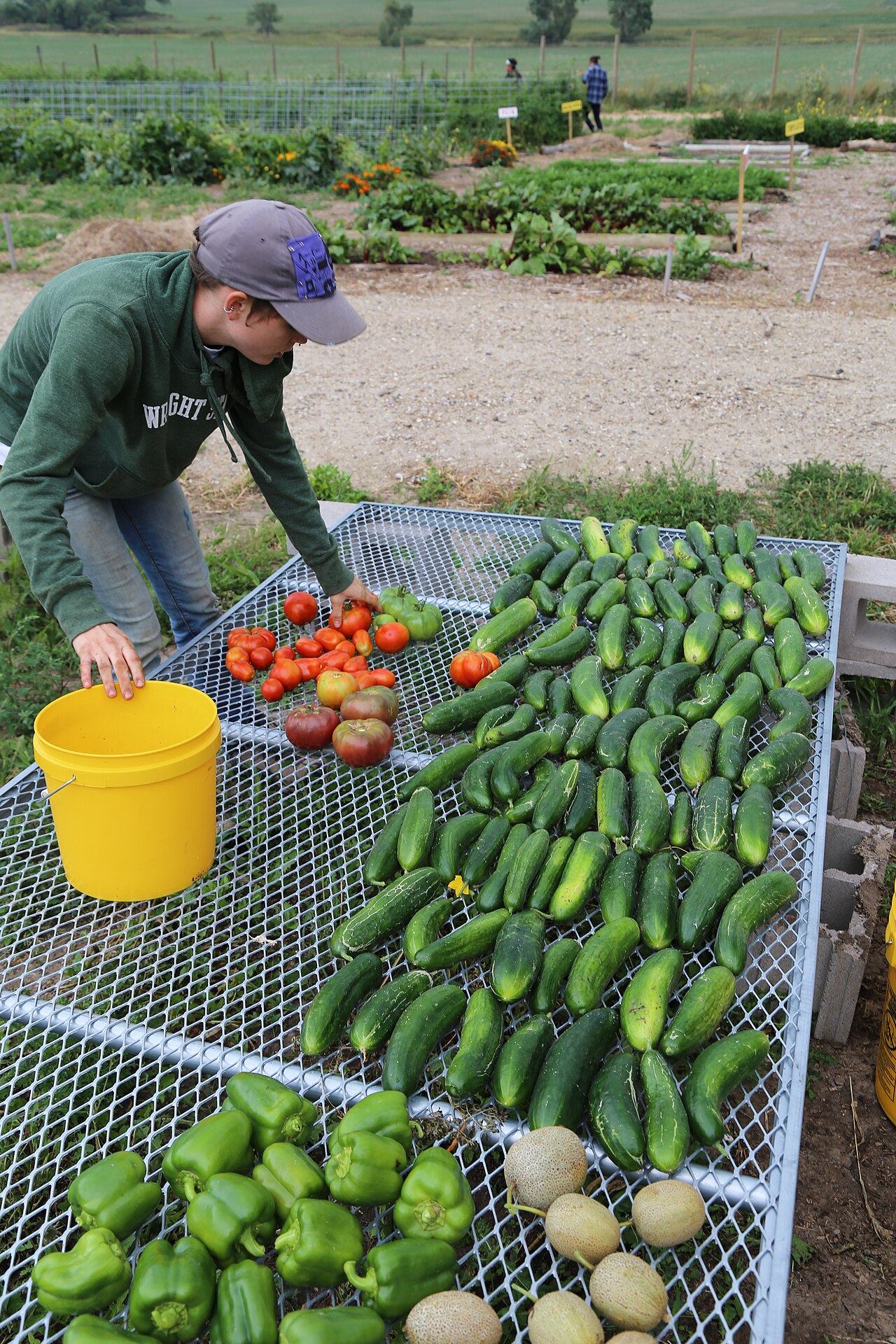
Organic costs 20–50% more than conventional on average. Understanding why, the actual cost structure behind the price tag, makes the premium easier to evaluate honestly.
The Yield Gap
Biggest single driver. Organic farms produce 80–85% of conventional yields on average:
- Pasture/legumes: Nearly 100%
- Fruits: 85–95%
- Vegetables: 80–90%
- Cereals: 70–80% (worst)
When a farmer produces 15–20% less food from the same land, per-unit cost has to rise to cover the same fixed costs. A farmer with a 20% yield gap needs about 25% higher prices just to break even with conventional at same input cost.

Labor Is Higher
Organic farms typically employ 20–30% more labor per hectare than conventional farms of similar scale:
Weeding without synthetic herbicides. No glyphosate. Weed management via mechanical cultivation, cover cropping, mulching, hand weeding.
More careful pest monitoring. Organic relies on prevention and narrow-target interventions. More frequent field walks, more observation.
Diversified operations. More crops, mixed systems, seasonal rotation. Agronomic benefits but more decision-making and varied skills.
Post-harvest handling. Shorter supply chains, more handling. Organic produce must be separated from conventional through harvest, storage, packing.
Labor is 25–40% of vegetable production costs. A 25% increase in labor per hectare is meaningful.
Certification Fees
Not the biggest cost but real:
- Initial certification: $1,000–$3,000
- Annual recertification: $500–$2,000
- Additional fees for livestock, processing, multiple sites: $200–$1,000 each
- Inspector travel and per-diem
For a small operation with $50K–$150K annual revenue, certification fees of $1K–$2.5K/year are 1–5% of revenue. Icelandic certification via Tún sits in a broadly comparable range once inspections and travel are included, published tariff details are not public, and actual costs depend on operation size, complexity, and location.
The Three-Year Transition
Farms converting must follow organic rules for three years before certification. During transition:
- Pay for organic inputs (more expensive)
- Yield typically drops as biological systems establish
- Cannot sell at organic prices
- Certification and inspection costs begin without premium revenue
Typical transition losses: €500–€1,500 per hectare per year. Many farms that start don't finish. Those that do break even around year 5–6.
Feed Costs for Livestock
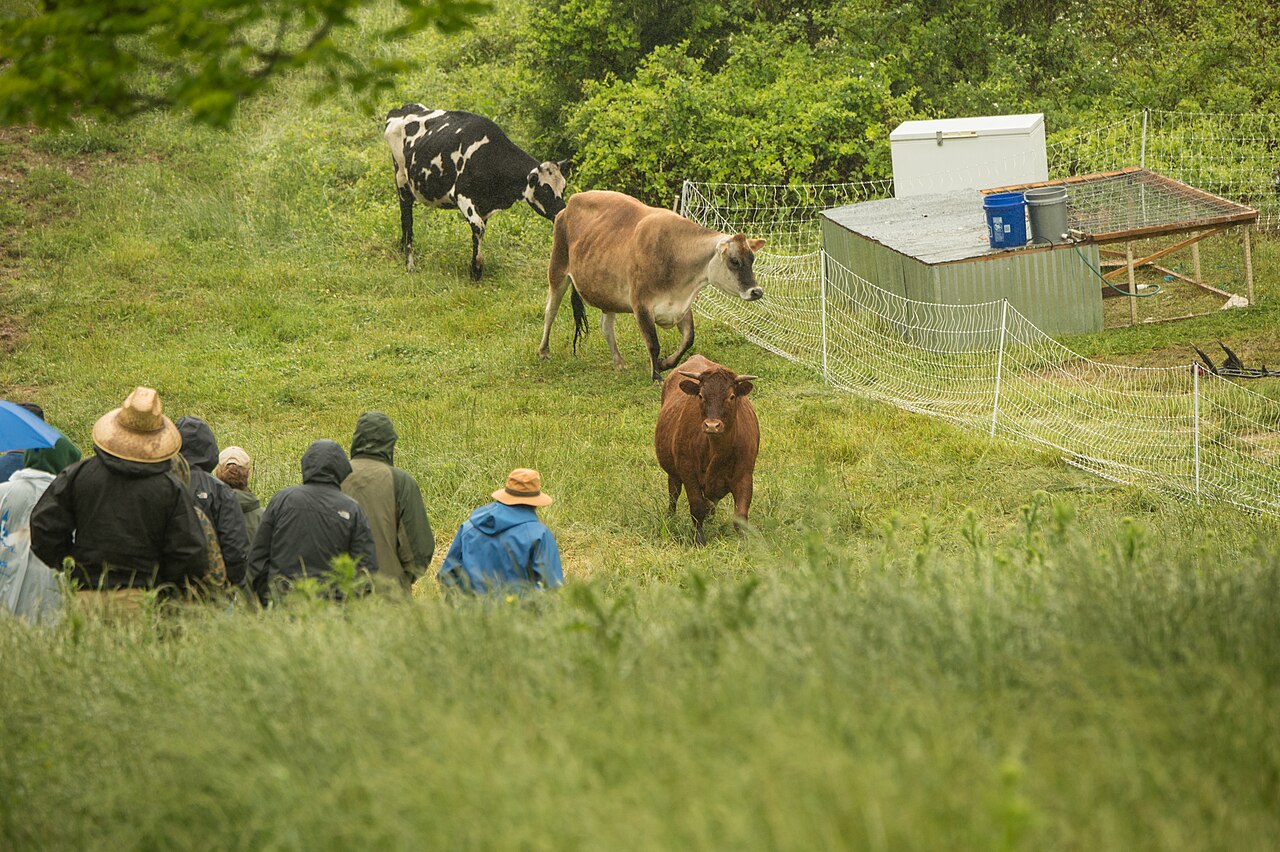
Largest single cost driver for organic meat, dairy, eggs. Organic grain costs 20–40% more. Organic forage (when purchased off-farm) often double conventional prices. Combined with lower productivity (organic dairy -10–15% milk, beef 10–20% slower growth), the cost-per-unit picture adds up to 40–100% premium for most animal products.
Supply Chain Inefficiency
Organic supply chains are smaller and less efficient than conventional. A conventional tomato moves through a system built over decades with huge economies of scale. An organic tomato moves through a smaller, younger system. Processing facilities run fewer shifts, have higher changeover costs, face smaller volumes. Distribution often has less optimized routing. Higher retail shrinkage (organic produce spoils faster without post-harvest chemicals). None of this is inefficient in a technical sense, just smaller-scale. As volumes grow, cost penalty shrinks.
When Is the Premium Worth It?
Almost always worth it:
- Foods eaten in large quantities
- Foods for pregnant women or young children
- Dirty Dozen produce, especially eaten with skin
- Meat, dairy, eggs (welfare, antibiotics, hormones)
- Staples for people with chemical sensitivities
Often worth it:
- Foods eaten regularly but not daily
- Thin-skinned produce, leafy greens, berries
Less compelling:
- Clean Fifteen produce
- Thick, inedible peels (avocados, bananas, citrus for zest-only uses)
- Heavily processed foods (organic doesn't rescue nutrition)
- Foods you eat rarely
Rarely worth it:
- Packaged snacks built on refined sugar, white flour, refined oil
- Premium niche items where brand premium dwarfs organic premium
The Iceland-Specific Premium
Organic premiums in Iceland tend to run higher than continental Europe, driven by the structural factors of a small, import-dependent market. Published chain-by-chain premium percentages aren't available as official statistics, but several patterns hold in practice:
- Bónus, Iceland's largest supermarket chain (~31% market share), tends to carry a narrower organic range sourced from EU commodity supply, and is typically the cheapest place to buy the organic staples it does stock.
- Krónan (~28% share) has expanded its organic range in recent years, sitting in the middle of the market for both breadth and price.
- Hagkaup (~13% share) stocks the widest organic range, particularly at its central Reykjavík stores, but at higher price points.
- Náttúrukostir is the specialist health-food retailer, premium priced, and often the only place in Iceland to find certain organic and wholefood SKUs.
- Farmers markets in season (roughly June through September) often beat supermarket organic pricing on domestic produce, especially for potatoes, berries, herbs, and root vegetables.
The small-market effect explains much of the pricing: with ~390,000 people, organic volumes are low across the board, which limits economies of scale for importers and domestic producers alike.
Sensible Budget Approach for Iceland
- Start with milk and butter, high-impact, reasonable premium
- Add Dirty Dozen produce
- Add eggs if budget allows
- For meat, prioritize items eaten often
- Farmers markets in summer for domestic organic at better prices
- Clean Fifteen to buy conventional confidently
A shopper following this can convert 40–60% of their basket to organic while adding only 20–30% to the grocery bill. The organic premium isn't arbitrary markup, most reflects real differences in production. That doesn't make it right for every purchase. It just means the premium is predictable and can be prioritized accordingly.
Keep reading
More from our library on food & farming.
How Organic Farming Actually Works
Crop rotation, composting, biological pest control, livestock standards, a practical look at what organic farmers actually do differently.
ReadThe Dirty Dozen and Clean Fifteen, What to Know
Which produce carries the heaviest pesticide load and which is mostly safe conventional. A practical prioritization guide.
ReadOrganic vs. Conventional: What the Science Says
Nutrition, environment, health, climate, what does the actual evidence show? An honest look at where organic wins, where it ties, and where it doesn't.
Read