All certificationsSide-by-side
Compare certifications.
Up to four certifications, side by side. Choose which ones
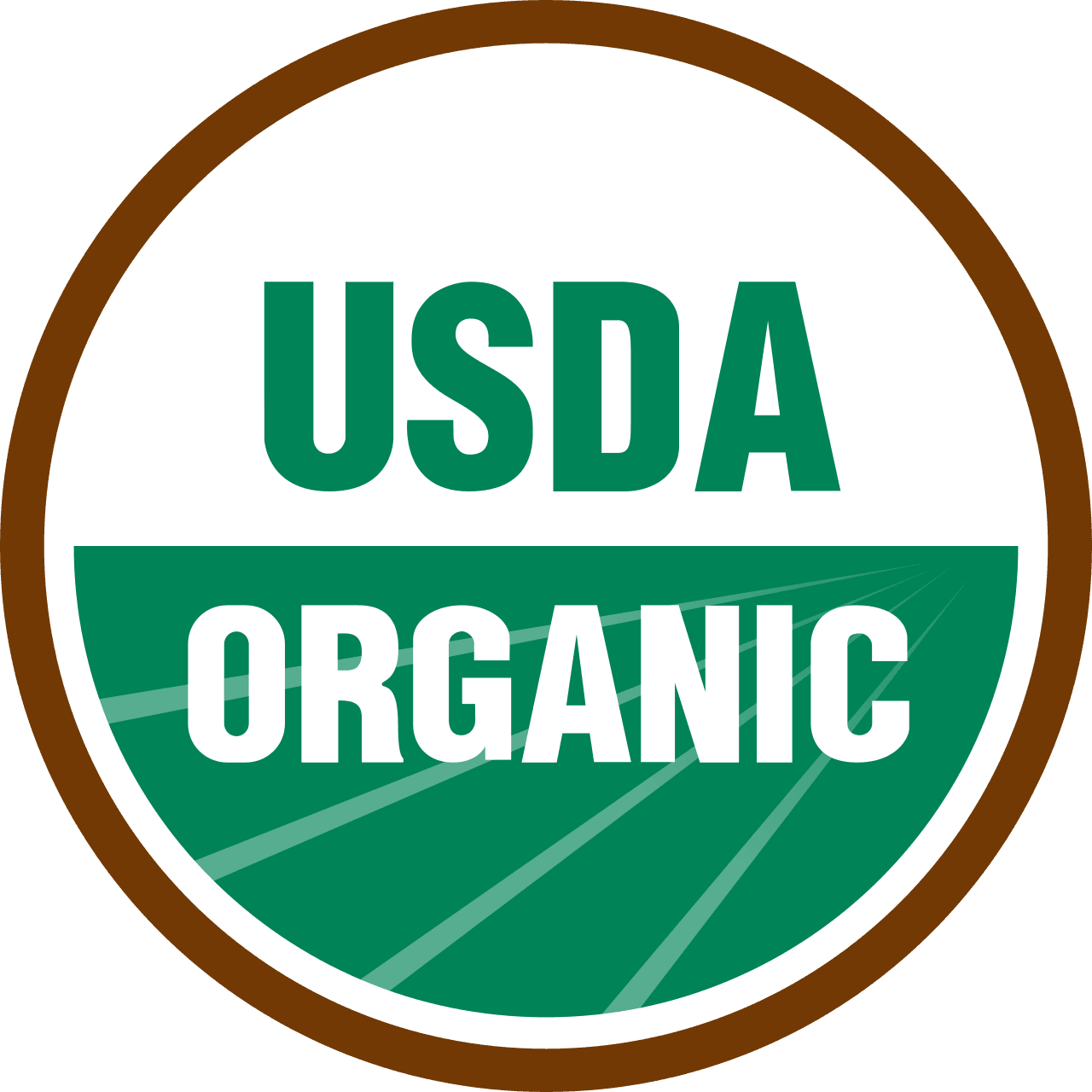 USDA Organic United States · Tier 1 Gold | 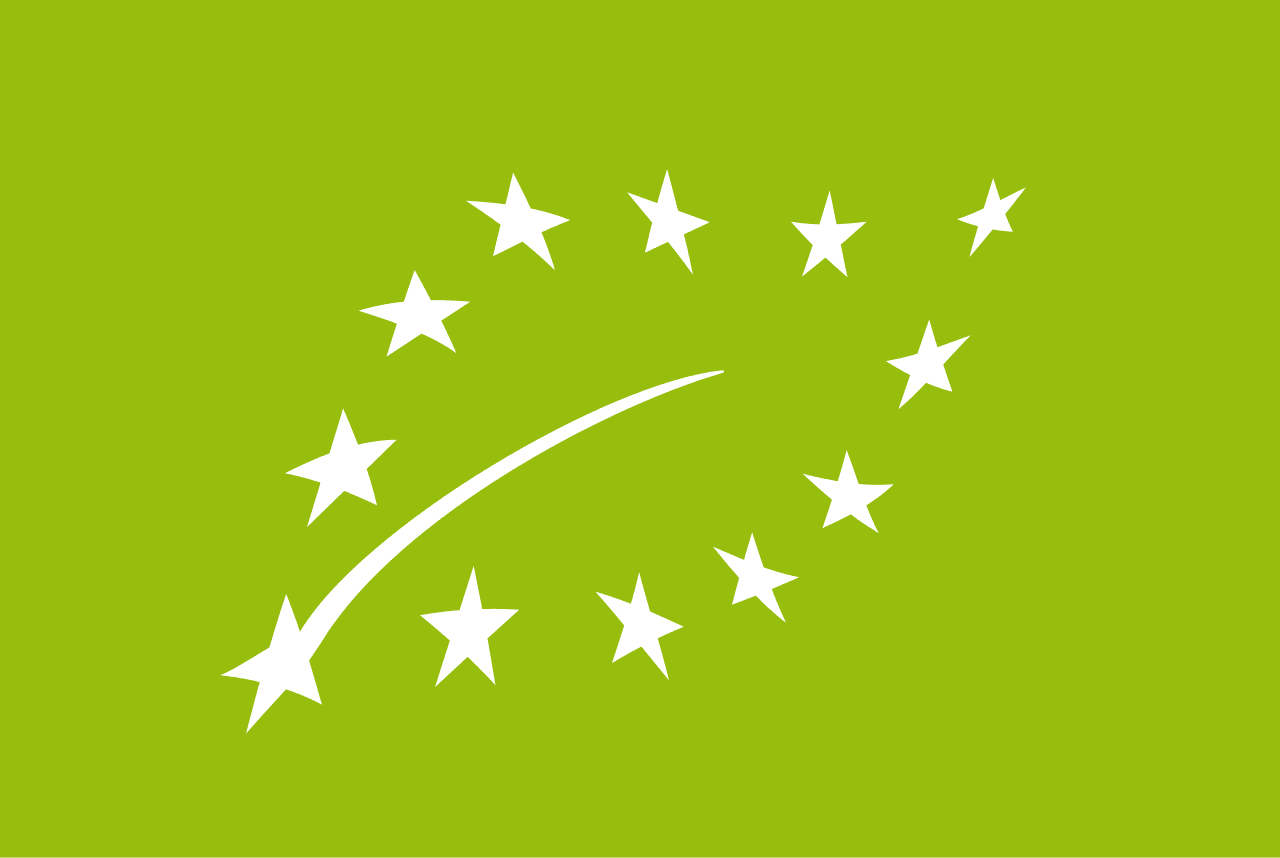 EU Organic (Euro-Leaf) European Union · Tier 1 Gold |  Demeter International Global · Tier 2 Trusted | |
|---|---|---|---|
| What it means | The US Department of Agriculture's national organic standard. The green-and-white seal is the legal mark for any food sold as 'organic' in the United States. | The mandatory mark for any pre-packaged organic food sold in the EU. The 'Euro-Leaf' is a stylised leaf made of twelve white stars on a green background. | The certification mark for biodynamic agriculture. Stricter than any government organic standard: it covers the entire farm as a closed ecosystem, follows a planting calendar tied to lunar/solar cycles, and bans many practices the baseline organic rules permit. |
| Scope | Food | Food | Several categories |
| Established | 2002 | 2010 | 1928 |
| Inspection | Annual on-site by USDA-accredited certifier | Annual on-site by accredited control body in producer country | Annual on-site by Demeter-accredited inspectors |
| Residue testing | Required on ≥5% of operations annually | Risk-based; mandatory at higher-risk operations | Risk-based on top of organic |
| Guarantees |
|
|
|
| Does NOT |
|
|
|
Choose up to 4 (3 chosen)
- ACO
- Bio-Siegel
- BioGro
- Canada Organic
- China Organic
- EU Leaf
- India Organic
- JAS
- Korea Organic
- Ø-mærket
- Orgánico Argentina
- Orgánico SAGARPA
- SisOrg
- Tún
- USDA Organic
- AB France
- Bio Suisse
- Bioland
- COSMOS
- Debio
- Demeter
- Ecocert
- Fair for Life
- GOTS
- IBD
- IFOAM
- Kilimohai
- KRAV
- Luomu
- NASAA
- NATRUE
- Naturland
- OEKO-TEX Organic Cotton
- ROC
- Soil Association
- EU Ecolabel
- Fairtrade
- Non-GMO Project
- Nordic Swan
- OEKO-TEX 100
- Rainforest Alliance
- 'Natural'