All certificationsSide-by-side
Compare certifications.
Up to four certifications, side by side. Choose which ones
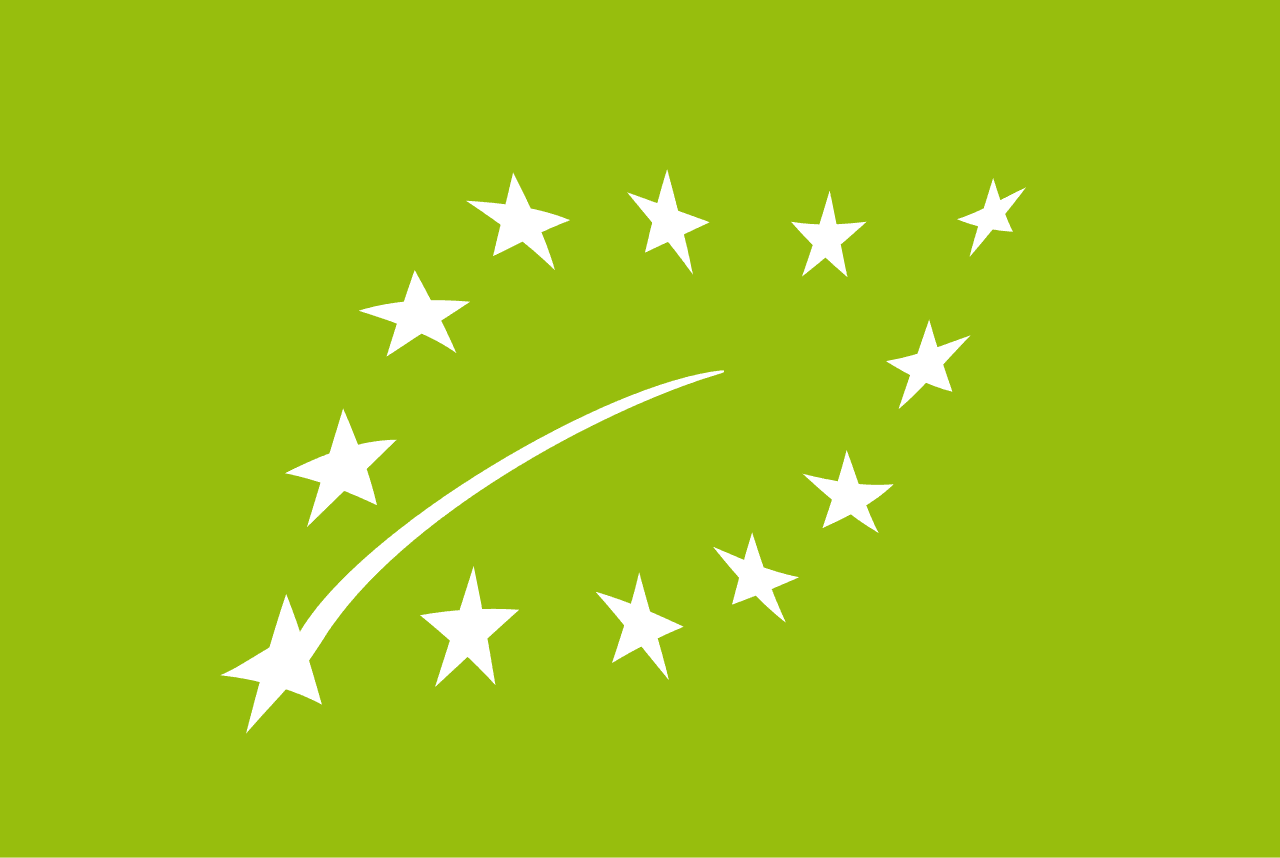 EU Organic (Euro-Leaf) European Union · Tier 1 Gold |  Kilimohai Organic Mark (East Africa) East Africa · Tier 2 Trusted |  Fair for Life Global · Tier 2 Trusted | |
|---|---|---|---|
| What it means | The mandatory mark for any pre-packaged organic food sold in the EU. The 'Euro-Leaf' is a stylised leaf made of twelve white stars on a green background. | The East African regional organic mark, under the East Africa Organic Products Standard (EAOPS). Used across Kenya, Tanzania, Uganda, Rwanda, and Burundi. Administered through Participatory Guarantee Systems coordinated by KOAN (Kenya Organic Agriculture Network). | Combined organic + fair-trade + social-responsibility certification. Issued by Ecocert (originally developed by IMOswiss). Stricter than baseline Fairtrade on labour conditions; often paired with an organic mark on the same product. |
| Scope | Food | Food | Several categories |
| Established | 2010 | 2007 | 2006 |
| Inspection | Annual on-site by accredited control body in producer country | PGS peer-review (annual) | Annual on-site, Ecocert-administered |
| Residue testing | Risk-based; mandatory at higher-risk operations | Risk-based | Risk-based |
| Guarantees |
|
|
|
| Does NOT |
|
|
|
Choose up to 4 (3 chosen)
- ACO
- Bio-Siegel
- BioGro
- Canada Organic
- China Organic
- EU Leaf
- India Organic
- JAS
- Korea Organic
- Ø-mærket
- Orgánico Argentina
- Orgánico SAGARPA
- SisOrg
- Tún
- USDA Organic
- AB France
- Bio Suisse
- Bioland
- COSMOS
- Debio
- Demeter
- Ecocert
- Fair for Life
- GOTS
- IBD
- IFOAM
- Kilimohai
- KRAV
- Luomu
- NASAA
- NATRUE
- Naturland
- OEKO-TEX Organic Cotton
- ROC
- Soil Association
- EU Ecolabel
- Fairtrade
- Non-GMO Project
- Nordic Swan
- OEKO-TEX 100
- Rainforest Alliance
- 'Natural'