
Building an Organic Wardrobe: A Starter Guide
How to shift your wardrobe toward organic textiles without replacing everything at once. Priorities, brands, and realistic expectations.

Replacing an entire wardrobe with organic clothing is expensive and wasteful. A better approach: build organic into your wardrobe gradually, starting with the garments where organic matters most, and making the switch when items wear out naturally.
Where Organic Matters Most
Not all garments benefit equally from organic certification. Priority order:
Highest priority:
- Underwear and bras: In contact with the most sensitive skin, worn daily, close to lymph nodes. Conventional cotton underwear often contains formaldehyde-based wrinkle treatments and azo dyes. Organic is a clear win.
- Base layers and pajamas: In contact with skin for many hours. Often worn by children. Worth the premium.
- Baby and toddler clothing: Babies chew on sleeves, skin is more permeable, thermoregulation is less developed. GOTS-certified organic is the cleanest option.
Medium priority:
- T-shirts and everyday basics: High wear frequency means cumulative skin contact matters. Organic cotton basics are widely available and often priced competitively.
- Towels and bedsheets: Not clothing but skin-contact textiles. Organic cotton towels are a reasonable upgrade.
- Workout wear: Sweat brings more chemicals into contact with skin. Organic cotton or merino wool are alternatives to conventional synthetics.
Lower priority:
- Outerwear (coats, jackets): Barely touches skin. Technical performance often requires synthetic fibers that aren't available organic anyway.
- Formal wear: Low wear frequency makes the premium less impactful.
- Denim: Conventional cotton production for denim is environmentally brutal, but the finished garment is washed many times before use. Organic denim is available but limited.
What to Look For

The GOTS logo is the strongest signal of genuine organic clothing. It covers fiber, processing, dyes, and social criteria, with a searchable license database at global-standard.org. Secondary signals:
- OCS (Organic Content Standard): Tracks organic fiber content only, no processing requirements. OCS 100 requires ≥95% organic content; OCS Blended covers anything from 5% upward.
- OEKO-TEX Organic Cotton (launched April 2023, distinct from OEKO-TEX Standard 100): Requires IFOAM-family organic farming with full chain-of-custody traceability, plus the Standard 100 harmful-substance test. Two grades, 100% organic cotton, or Blended (at least 70%).
Fair Trade: Social and economic standards, often paired with organic.
Avoid: generic "natural," "eco-friendly," or "sustainable" without a specific certification. Fashion greenwashing is endemic, and H&M "Conscious" or similar mass-market organic sub-lines often contain only 30–50% organic content with weaker supply chain verification than GOTS.
Brands Worth Knowing
Genuinely organic-focused:
- Patagonia: Mainstream outdoor brand with a long organic cotton program
- Pact: US brand, GOTS certified, reasonable pricing for basics
- People Tree: UK-based, fair trade + GOTS
- Thought Clothing: UK-based, organic cotton and hemp
- Organic Basics: Denmark, focus on underwear and basics, GOTS
- Veja: Shoes with fair trade cotton and wild rubber
- Frugi: UK children's clothing, GOTS
Strong organic ranges:
- Everlane: Some GOTS-certified cotton, mixed range
- Eileen Fisher: Quality-focused brand with real organic fiber programs
- Outerknown: Surf-adjacent brand with strong organic commitment
Mainstream brands with organic lines (mixed depth):
- H&M Conscious: H&M reports a large share of its range meets internal sustainability criteria, but only a portion carries third-party certifications like GOTS. The "more sustainable materials" label can include recycled polyester, not necessarily organic.
- Zara Join Life: Similarly mostly self-defined "sustainability" with a smaller share of fully GOTS-certified items. Verify each garment's specific certifications rather than trusting the line label.
- Levi's Water<Less / Cotton: Some organic cotton, inconsistent across the catalog
A Realistic Replacement Strategy
Replace organic as items wear out. An organic wardrobe built over 3–4 years is cheaper, less wasteful, and works practically.

Year 1: Underwear, pajamas, 3–4 core t-shirts. Maybe one GOTS-certified hoodie.
Year 2: More basics, socks, towels, bedsheets.
Year 3: Dresses, shirts, pants as replacements occur.
Year 4 and beyond: Whatever is left.
The transition cost is real but manageable if you pace it. Budget roughly 30–50% more than you'd spend on comparable conventional items.
Secondhand + Organic
One of the most effective sustainability moves: buy secondhand organic. A used GOTS-certified cotton shirt still meets all the organic criteria, the fiber and processing were certified during production. Buying secondhand extends the garment's life and removes the premium entirely. Secondhand sources:
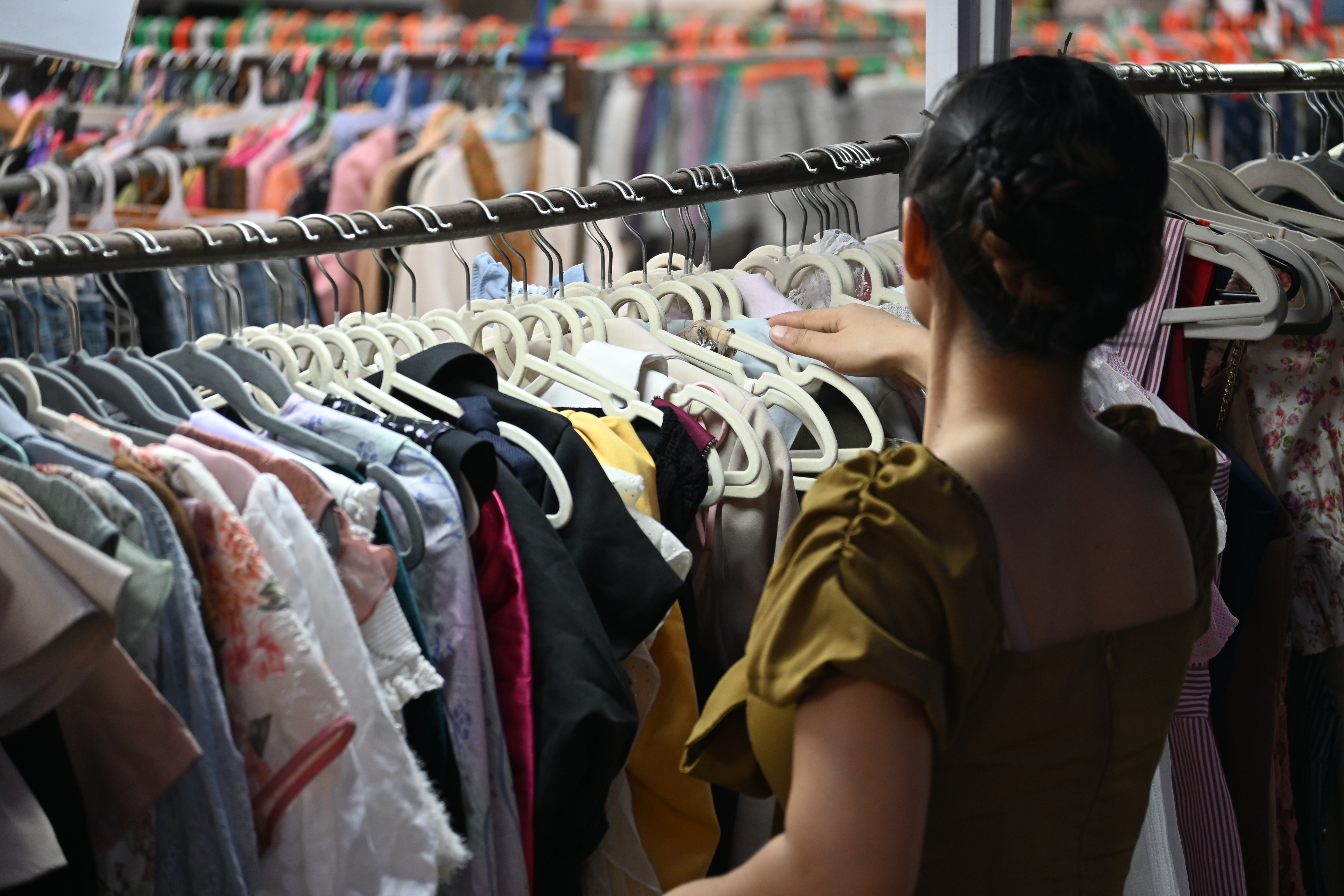
ThredUp, Vestiaire Collective: Online secondhand marketplaces
- Charity shops and vintage stores: Less efficient for finding specifically organic pieces but cheap
- Facebook Marketplace and eBay: Useful for specific brands
- Rental services (for occasion wear): Nuuly, Rent the Runway
Care Matters
An organic garment washed hot, tumbled dry, and replaced yearly is worse environmentally than a conventional garment washed cold, air-dried, and worn for five years. Care practices that extend life:
- Wash cold (30°C or less) for most items
- Air dry when possible (tumble drying shortens garment life by 30–50%)
- Spot clean instead of washing everything every time
- Learn to mend, a button, a small tear, a hem
- Store properly, wool in sealed bags, shoes with trees
The Bottom Line
An organic wardrobe doesn't require replacing your closet. It requires changing what you buy when you need to buy something new, prioritizing the garments where organic matters most (skin-contact daily wear), buying quality over quantity, and extending the life of everything through better care.
Start with underwear and basics. Build from there. The shift is gradual, the costs are absorbed over years, and the result is a wardrobe that does less harm to both your body and the supply chain that produced it.
Keep reading
More from our library on clothing.
Organic Cotton vs. Conventional Cotton: The Full Picture
Conventional cotton is one of the most chemically intensive crops on earth. Organic cotton is better, but how much, and on what dimensions?
ReadHow to Spot Greenwashing in Fashion
Ten red flags that signal a fashion brand is overselling its sustainability credentials. Protect yourself from marketing disguised as virtue.
ReadOrganic Wool and Linen: The Other Sustainable Fabrics
Organic cotton gets all the attention. Wool and linen often have smaller environmental footprints, here's how to buy them well.
Read