
How to Spot Greenwashing in Fashion
Ten red flags that signal a fashion brand is overselling its sustainability credentials. Protect yourself from marketing disguised as virtue.
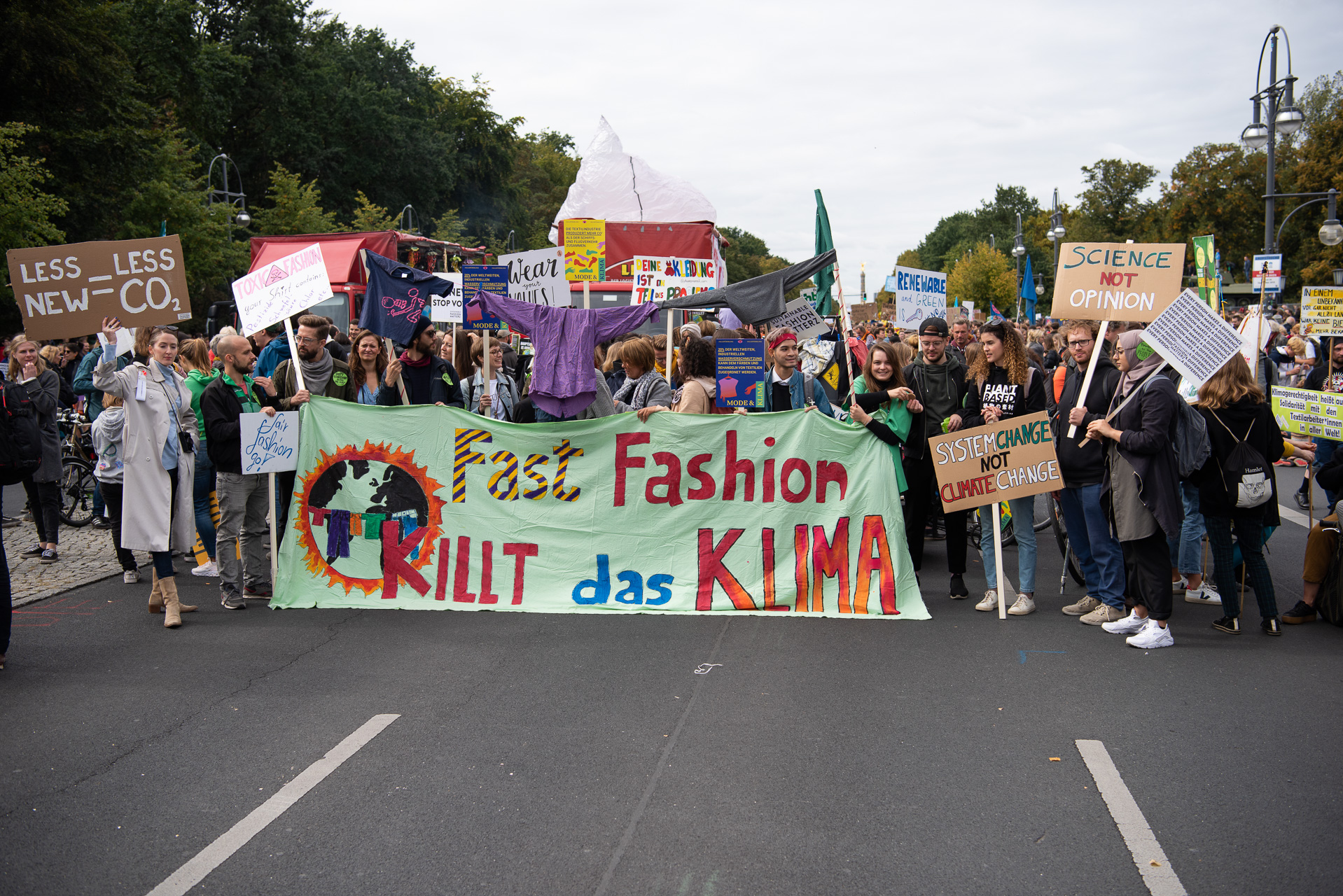
Fashion is the most competitive category for greenwashing. Every major fast fashion brand has a "conscious," "sustainable," or "eco" line. Most of these lines represent a tiny fraction of the brand's output and a smaller fraction still of genuine improvement. Learning to spot the red flags protects your money and stops rewarding bad behavior.
Red Flag 1: "Conscious" or "Eco" as a Collection Name
H&M Conscious and Zara Join Life started as small capsule collections that represented a relatively modest share of each brand's total production. Mango Committed uses a different model: any garment with at least 30% "more sustainable" fibres (organic cotton, recycled cotton, BCI, recycled polyester, recycled wool, TENCEL) qualifies. In every case the "more sustainable" bar is much lower than GOTS, "more sustainable materials" can include recycled polyester rather than organic fiber, so the sub-line captures premium shopper attention without forcing a full supply-chain shift. A brand serious about sustainability doesn't have a "sustainable collection." It has a sustainability strategy that changes everything it makes.

Red Flag 2: No Specific Certifications
A genuinely organic garment carries GOTS, OCS, or OEKO-TEX Organic Cotton certification. A genuinely fair-trade garment carries Fair Trade Certified or Fairtrade. A garment claiming sustainability with no certifications is making unverifiable claims.
The language game to watch for:
- "Made with organic cotton" (how much? 5%? 100%?)
- "Sustainably sourced" (sourced from where? with what standards?)
- "Responsibly made" (responsible to whom?)
- "Eco-friendly" (by what definition?)
Red Flag 3: The "Made with Recycled" Trick
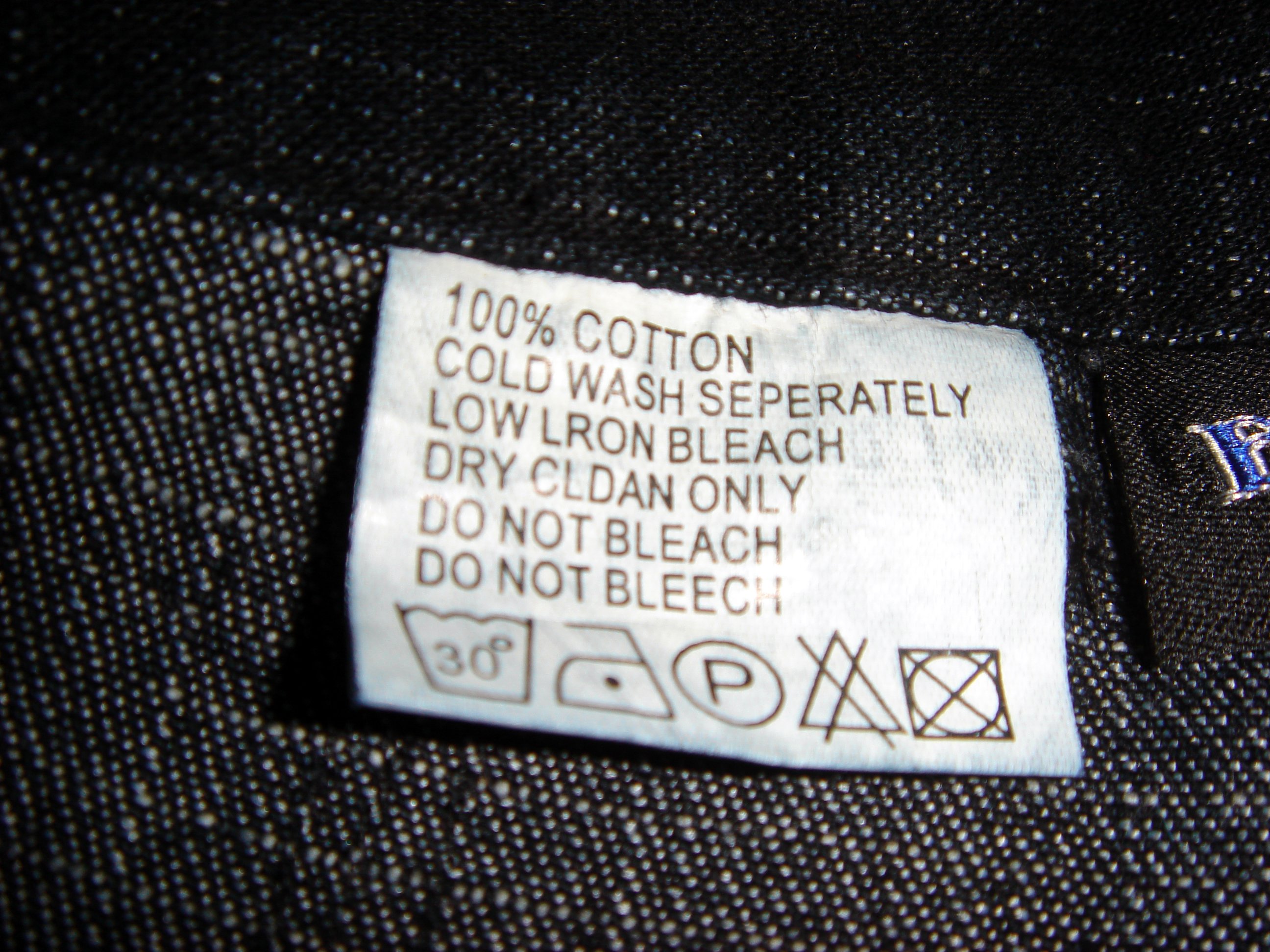
"Made with recycled polyester" on its own doesn't specify a percentage. Under Textile Exchange's Recycled Claim Standard (RCS), any claim from 5% upward is allowed; the Global Recycled Standard (GRS) requires at least 50% recycled content to carry the main GRS logo. Recycled polyester is better than virgin, but the marketing often implies 100% recycled when the actual fiber content percentage on the label tells a different story. Read the fiber content label. Recycled content should be stated specifically ("30% recycled polyester, 70% polyester"). If the marketing says "recycled" but the label doesn't specify percentage, the percentage is probably low.
Red Flag 4: Vague Supply Chain Claims
"Ethically made" with no factory audit information. "Sourced from partner farms" with no farm names. "Supporting local communities" with no specifics. A brand with genuine supply chain transparency publishes:
- Factory names and locations
- Audit results (or at least audit frequency)
- Worker wage benchmarks
- Farm or fiber sources
If these don't exist on the brand's website, the claims are marketing, not operational.
Red Flag 5: Using Images of Nature Without Substance
A photoshoot in a forest. A garment draped in leaves. Green color palette. Organic-looking packaging. None of this tells you anything about the product. Fashion brands invest heavily in visual sustainability signaling. A garment draped on a moss-covered rock can be made from virgin polyester in a low-wage factory. The imagery is decoration, not verification.
Red Flag 6: "Vegan" as a Sustainability Claim
Vegan fashion means no animal products. It does not mean sustainable. A vegan polyester handbag is a plastic product with a supply chain footprint that can exceed a leather handbag. Vegan and organic are separate questions. Most "vegan leather" is polyurethane or PVC, both petroleum-based plastics with significant environmental footprints. Some newer bio-based alternatives (cactus leather, mushroom leather, apple leather) are genuinely lower-impact, but they're rare and expensive.
Red Flag 7: "Circular" Without Details
"Circular fashion" is the new buzzword. Used correctly, it means: produced from recycled materials, designed to be recycled at end of life, with take-back programs that actually work. Used as greenwashing, it means: we put the word "circular" on the tag. A genuinely circular product should answer: How was it made? How can it be returned? What happens to it after return?
Red Flag 8: Tiny Organic Percentages
"Made with organic cotton" can legally apply to a garment with 5% organic cotton mixed with 95% conventional cotton, or one with some organic cotton thread in the stitching. Without specificity, "made with" claims are close to meaningless. GOTS requires at least 70% organic fiber for "made with organic" labeling and 95% for full "organic" labeling. Without GOTS or similar, the percentage can be anything.
Red Flag 9: The "Smaller Environmental Impact" Claim
"Our new collection has 30% smaller environmental impact", compared to what? Measured how? Over what scope? Specific comparisons should cite a methodology (Higg Index, LCA, specific benchmark). Vague "smaller impact" claims are unverifiable and usually refer to a narrow metric (water use, for example) while ignoring others (labor conditions).
Red Flag 10: Celebrity or Influencer Endorsements as the Primary Marketing
When a brand's sustainability story depends primarily on celebrity endorsements or influencer campaigns, it's usually because the operational story doesn't hold up. Genuine sustainable brands invest more in supply chain transparency than in paid partnerships.
What Real Sustainability Looks Like
The green flags, for contrast:
- Specific certifications (GOTS, Fair Trade, OEKO-TEX Organic Cotton, B Corp)
- Published supply chain maps showing factories and farms by name
- Fiber content labels with specific percentages
- Operating models, take-back programs, repair services, lifetime warranties
- Pricing consistent with real cost, a genuinely fair-trade GOTS t-shirt cannot cost $5
- Ownership structures, B Corps, benefit corporations, cooperative ownership
- Published reports, annual sustainability reports with audited data
- Brand history that predates the current sustainability trend
- Smaller total volumes, brands that make less, not more
- Willingness to turn down business that conflicts with stated values
Brands That Consistently Walk the Talk
Not an exhaustive list, but a reasonable starting point:
- Patagonia (B Corp, extensive repair program, supply chain transparency)
- Eileen Fisher (closed-loop program, genuine organic fiber focus)
- Pact (GOTS across most of the range)
- People Tree (Fair Trade + organic, decades of focus)
- Thought Clothing (organic cotton and hemp, small-scale production)
- Organic Basics (GOTS underwear and basics)
- Outerknown (strong certifications, moderate pricing)
None of these are perfect. All of them are doing more than the average "conscious" collection from a fast fashion brand.
The Bigger Point
Greenwashing works because most shoppers don't want to do this research. The brands know this. The marketing is designed to give you permission to buy without thinking hard. Two practical habits protect you:
- Read the label, not the marketing. Fiber content, certifications, and country of origin tell you more than any brand story.
- Buy less. The single biggest reduction in fashion footprint is fewer, higher-quality purchases. Organic or not.
A reasonable middle path: buy fewer items, buy better quality, and when you buy new, verify the certifications with the certifier's database rather than trusting the marketing.
It takes an extra thirty seconds and saves you from funding someone else's greenwashing.
Keep reading
More from our library on clothing.
Building an Organic Wardrobe: A Starter Guide
How to shift your wardrobe toward organic textiles without replacing everything at once. Priorities, brands, and realistic expectations.
ReadOrganic Cotton vs. Conventional Cotton: The Full Picture
Conventional cotton is one of the most chemically intensive crops on earth. Organic cotton is better, but how much, and on what dimensions?
ReadOrganic Wool and Linen: The Other Sustainable Fabrics
Organic cotton gets all the attention. Wool and linen often have smaller environmental footprints, here's how to buy them well.
Read