Organic Wool and Linen: The Other Sustainable Fabrics
Organic cotton gets all the attention. Wool and linen often have smaller environmental footprints, here's how to buy them well.
Organic cotton is the default sustainable textile in the mainstream narrative. For many applications, organic linen and organic wool are actually better choices, lower water use, longer-lasting garments, and in wool's case, a fiber that can last decades with proper care.
Organic Linen
Linen is made from flax, one of the oldest cultivated fibers. Flax has several structural advantages over cotton:
Water use: European flax is rainfed, producers in France, Belgium, and the Netherlands sign the European Flax charter committing to zero irrigation. The lifecycle water footprint of a linen shirt is a small fraction of a cotton shirt's.
Pesticide use: Even conventional flax uses dramatically fewer pesticides than cotton. Organic flax uses none.
Yield per hectare: Flax is relatively low-yielding per hectare, but it grows well in temperate climates without much input. Most linen production is in Belgium, France, and the Netherlands.
Waste utilization: Nearly every part of the flax plant is used, seed for oil, fiber for textiles, shives for particle board and bedding.
Why Organic Linen Matters
The conventional flax-to-linen pipeline is relatively clean. Organic linen's additional benefit is:
- No synthetic inputs at all
- Stricter processing standards (retting, spinning, weaving)
- GOTS dyes and finishes if the linen is GOTS certified
The premium for organic linen over conventional linen is smaller than for organic cotton, typically 20–40%.
Buying Organic Linen
Look for:
- GOTS certification on finished products (covers fiber and processing)
- Masters of FLAX FIBRE™ (formerly European Flax™), identifies flax grown in France, Belgium, or the Netherlands under the zero-irrigation charter
- Masters of LINEN™, a distinct downstream certification requiring that the yarn and fabric also be processed entirely in Europe
- Linen-only fabric rather than linen-cotton blends (blends complicate recycling and often use conventional cotton)
Brands and sources:
- Linen specialists: Rough Linen, MagicLinen, Not Perfect Linen
- Broader brands with linen programs: Everlane, Quince, Eileen Fisher
- Bedding: Parachute, Bedthreads, Brooklinen (organic linen ranges)
Care for Linen
Linen's reputation for wrinkling is earned but also overblown. It softens with washing and becomes more comfortable over time. Care tips:
- Wash cold
- Air dry when possible (tumble drying sets wrinkles)
- Iron while slightly damp if you want crisp finish
- Embrace the rumpled look, linen is supposed to look lived-in
Well-cared-for linen lasts decades. It's one of the few natural fibers that gets better with age.
Organic Wool
Wool is a more complicated story. Sheep graze extensively by nature, so wool production is often pasture-based whether organic or not. The organic certification for wool centers on feed, animal welfare, and the absence of certain practices.
What Organic Wool Requires
- Organic feed when sheep are supplemented (winter, droughts)
- No routine antibiotics
- No growth hormones
- No synthetic pesticides on pasture
- No mulesing (a controversial Australian practice of cutting skin around lambs' tails to prevent flystrike). Mulesing is prohibited under GOTS, RWS, ZQ, and IVN Best; banned in New Zealand; and not practised in the EU, UK, Falklands, or most of the world. It's still common in conventional Australian merino.
- Land management standards, no overgrazing, preservation of biodiversity
- Wool processing, the scouring, spinning, and dyeing must meet GOTS standards if the final product is to be GOTS certified
Related Wool Certifications
ZQ Merino: A welfare-focused New Zealand standard, not organic but often associated with responsible wool production.
Responsible Wool Standard (RWS): Covers animal welfare, land management, and chain of custody. Not organic but a strong alternative.
Cradle to Cradle: Covers overall sustainability; wool certified to C2C is typically also responsible.
NATIVA (Chargeurs): A regenerative-agriculture wool program dual-certified with RWS, covering welfare, traceability, and soil health; prohibits mulesing.
An organic wool garment ideally has GOTS + one of the welfare-focused certifications.
Icelandic Wool (Special Case)
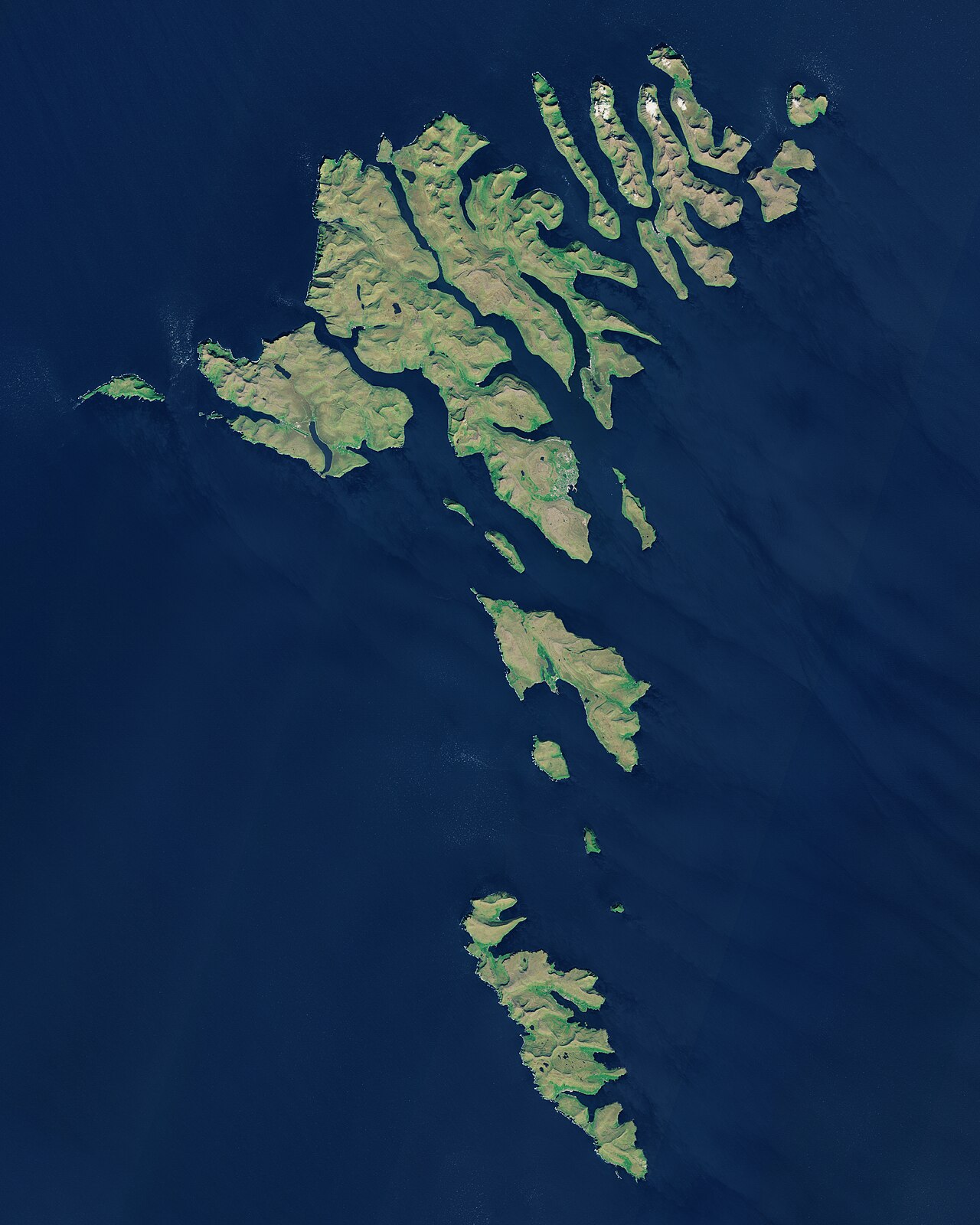
Icelandic sheep are a heritage breed, producing distinctive double-coated wool. Most Icelandic sheep are pasture-raised on extensive moorland grazing during summer, inherently low-input. Organic Icelandic wool is certified through Vottunarstofan Tún, the general Icelandic organic certifier, operating within the EU organic framework (Reg. 2018/848). The differences between organic and conventional Icelandic wool are smaller than for wool from more intensive systems, but organic certification ensures:
- No synthetic chemical treatments during processing
- Summer grazing on land not treated with synthetic fertilizers or pesticides
- Feed quality (for winter supplementation) is organic
Conventional Icelandic wool is already among the most sustainably produced wool in the world. Organic is an additional step for those who want the strictest cultivation standards.
Merino Wool
Merino is the finest, softest wool variety, used in base layers, thin knits, and high-end fashion. Most merino comes from Australia, New Zealand, and South America.
The mulesing issue dominates ethical merino conversations. Most Australian merino comes from flocks where mulesing is still practiced. Responsible sources explicitly label themselves "non-mulesed" or "mulesing-free." ZQ Merino and RWS certifications both prohibit mulesing. Brands with strong merino sourcing include Icebreaker, Smartwool, Allbirds, and Mons Royale. Organic merino is available but limited. Patagonia's merino program and some smaller brands carry it.
Wool Care
Wool is remarkably durable when cared for:
- Hand wash or use a gentle wool cycle in cool water
- Use wool-specific detergents (conventional detergents can damage wool fibers)
- Don't tumble dry (wool shrinks)
- Store clean (moths go after food stains)
- Steam rather than iron when possible
A good wool sweater cared for well can last 20+ years. This longevity dramatically improves the per-wear environmental footprint.
Hemp: The Quick Note
Organic hemp deserves mention. Hemp grows fast, requires minimal water and pesticides, improves soil as it grows, and produces a durable fiber. Organic hemp clothing has been historically limited by regulatory restrictions in the US (lifted in 2018) but is becoming more available. Hemp is coarser than cotton but blends well with it. Brands with strong hemp programs include WAMA (underwear), Jungmaven (tees), and Thought Clothing (various).
The Honest Comparison
For most garments, the environmental ranking (best to worst) of new natural fiber options is roughly:
- Organic linen (lowest water, low input, long life)
- Organic hemp (similar to linen, less common)
- Organic wool with welfare certification (durable, long-lived, pasture-based)
- Conventional linen (still relatively low-impact)
- Organic cotton (better than conventional cotton but still water-intensive)
- Conventional wool (without welfare concerns, still reasonable)
- Conventional cotton (highest pesticide and water footprint of natural fibers)
Add recycled materials and secondhand as a separate category, both are typically lower-impact than any new fiber choice.
The Shopping Takeaway
If organic matters to you, don't reflexively default to organic cotton. For bedding, linen is often better. For sweaters and outer layers, wool is more durable and warmer per gram. For structural pieces, organic linen holds up well for years. A wardrobe built on organic linen, organic wool, and less frequent organic cotton replacements is usually lower-footprint than one built entirely on organic cotton, and often equally comfortable.
Keep reading
More from our library on clothing.
Building an Organic Wardrobe: A Starter Guide
How to shift your wardrobe toward organic textiles without replacing everything at once. Priorities, brands, and realistic expectations.
ReadOrganic Cotton vs. Conventional Cotton: The Full Picture
Conventional cotton is one of the most chemically intensive crops on earth. Organic cotton is better, but how much, and on what dimensions?
ReadHow to Spot Greenwashing in Fashion
Ten red flags that signal a fashion brand is overselling its sustainability credentials. Protect yourself from marketing disguised as virtue.
Read