
Organic Cotton vs. Conventional Cotton: The Full Picture
Conventional cotton is one of the most chemically intensive crops on earth. Organic cotton is better, but how much, and on what dimensions?
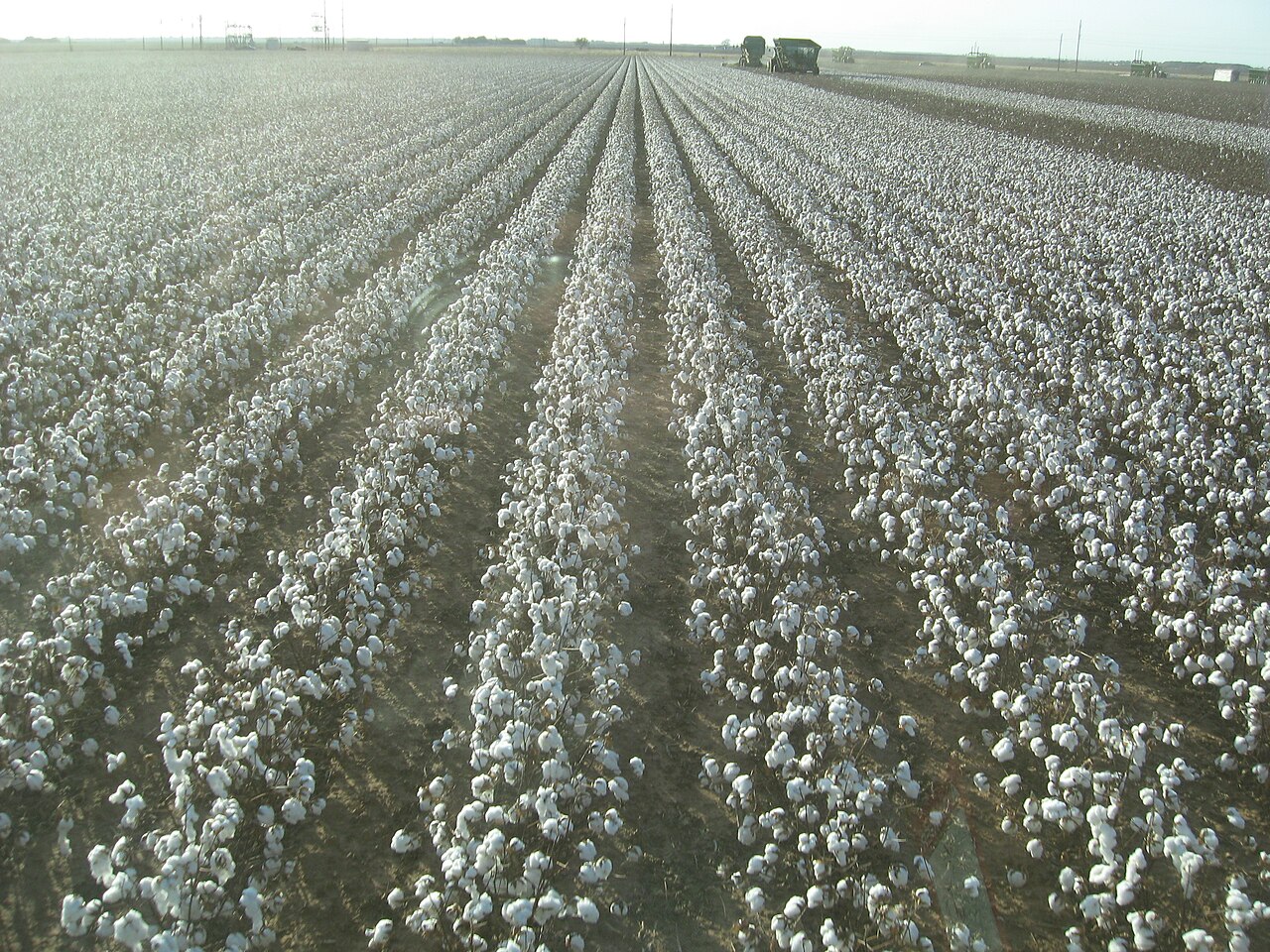
Cotton is the single largest non-food crop by chemical input intensity. The widely cited statistic, "cotton uses 16% of the world's insecticides on 2.4% of arable land", is roughly true depending on the year and region. Organic cotton is measurably better across most environmental dimensions, though the picture is more nuanced than the marketing suggests.
The Conventional Cotton Problem
Conventional cotton production uses:
Pesticides and insecticides: Cotton is genetically vulnerable to a wide range of pests, bollworms, aphids, whiteflies. Conventional farming relies heavily on spray regimes. India, Pakistan, and China together use billions of dollars of cotton-specific pesticides each year.
Synthetic fertilizers: Cotton is a heavy nitrogen feeder. Conventional production applies 150–300 kg of synthetic nitrogen per hectare.
Water: Conventional cotton uses roughly 7,000–10,000 liters of water per kilogram of fiber (Water Footprint Network), with much higher figures in heavily irrigated dryland regions. This includes irrigation water, rainwater captured, and water "embodied" in inputs.
Land: Conventional cotton land use is high-productivity but also the source of soil degradation and salinization in heavily irrigated regions (the Aral Sea is the most infamous example).
Labor: Cotton harvesting in many regions is done by hand. Worker exposure to pesticides is a significant occupational health issue.
How Organic Cotton Compares
Pesticides and insecticides: Zero synthetic pesticides allowed. Pest management relies on crop rotation, biological controls, beneficial insect habitat, and a short list of naturally derived substances (neem, Bt, pyrethrin). Pest pressure is real, and organic cotton often has lower yields because of it.
Synthetic fertilizers: Prohibited. Fertility comes from compost, manure, cover crops, and crop rotation.
Water: The comparison here is widely misrepresented. Organic cotton farms on average use less water per kilogram, but the difference varies enormously by region and farm practice. Rainfed organic cotton uses dramatically less irrigation water. Irrigated organic cotton uses similar amounts to irrigated conventional cotton, just without synthetic inputs in the water.
Land: Organic cotton yields are typically 70–85% of conventional yields. More land is needed for the same fiber output. This yield gap is the biggest legitimate criticism of organic cotton expansion.
Labor: Organic cotton farms pay better in many regions because of fair-trade and GOTS labor standards that often accompany organic certification.
The Yield Question
The yield gap matters. If the world replaced all conventional cotton with organic cotton at current yields, we'd need about 20% more land for the same fiber output. That land would have to come from somewhere. This is a real concern, but also a misleading framing. Most analyses of textile sustainability conclude that the most impactful change is using less cotton overall, not replacing all cotton with organic cotton. A smaller total wardrobe of longer-lasting clothing dwarfs the organic-vs-conventional question for most households.
Organic cotton is also not the only option. Recycled cotton, organic linen, organic hemp, and Tencel/Lyocell from sustainable eucalyptus sources all have smaller environmental footprints than new cotton of any kind.
Genetic Modification
Conventional cotton is predominantly GMO. Bt cotton, engineered to produce its own insecticide against bollworms, accounts for most cotton production in India, the US, China, Pakistan, and Brazil. Bt cotton has genuinely reduced bollworm insecticide use where adopted, but secondary-pest outbreaks (mirids, whiteflies) and pink-bollworm resistance have emerged in several regions and now require careful integrated management.
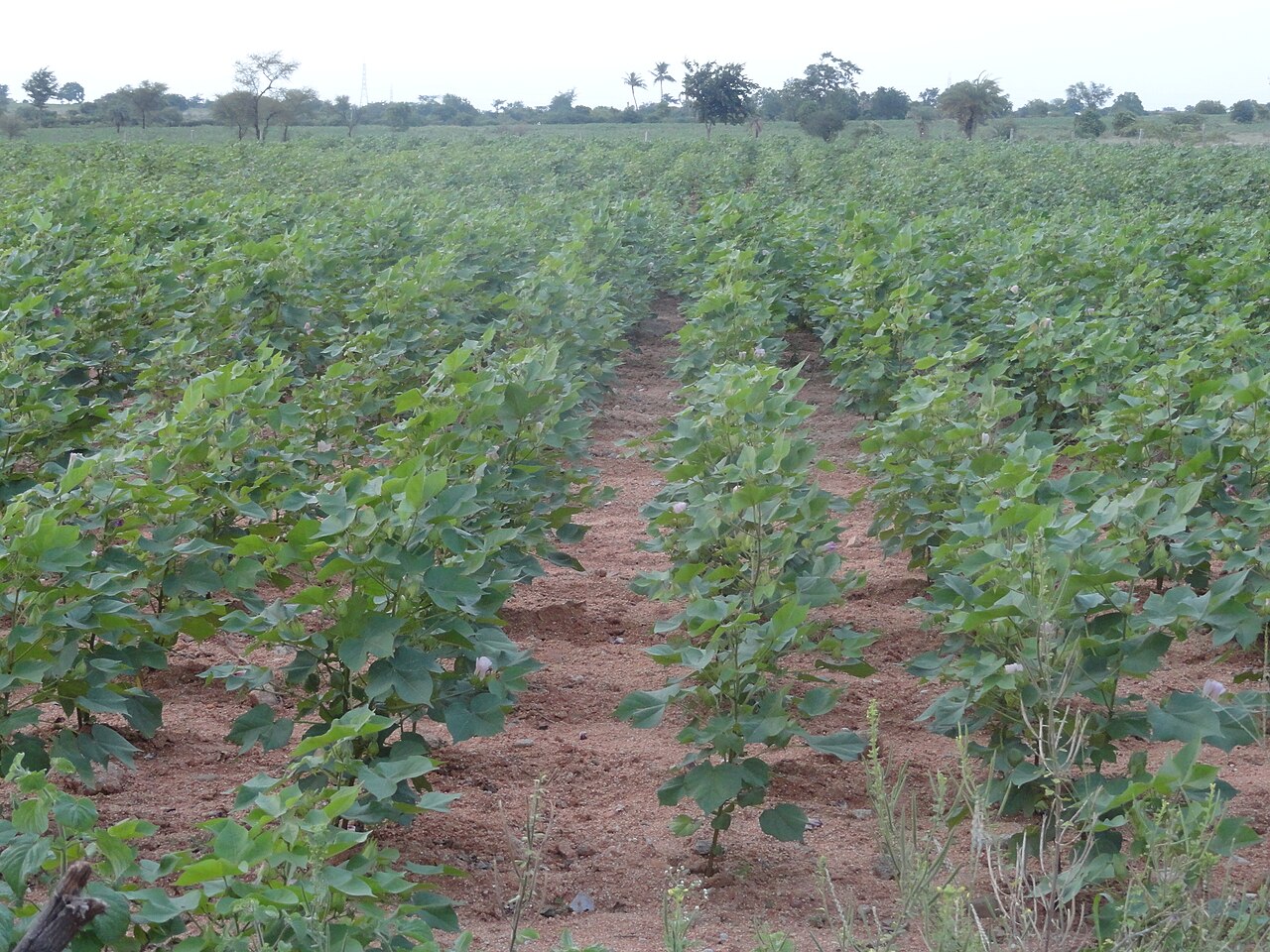
Organic cotton must be non-GMO. This is a categorical prohibition under GOTS, USDA, and EU organic standards. Whether you consider GMO cotton a problem depends on your values. The environmental argument against Bt cotton is weak (it has reduced insecticide use). The argument for organic non-GMO is more about cultural, corporate, and regulatory concerns than direct environmental impact.
Supply Chain Realities
Organic cotton is roughly 1–1.5% of global cotton production (Textile Exchange's annual Organic Cotton Market Report tracks the figure closely). This scarcity has consequences:
Fraud risk: Because demand exceeds supply, some "organic" cotton on the market is not genuinely organic. GOTS certification with a verifiable license number is the strongest defense against this. An OCS label alone is weaker.

Price premium: Genuine organic cotton at the farm gate costs roughly 20–50% more than conventional cotton. By the time it reaches a finished garment with full GOTS processing and retail markup, the premium is typically 30–50% of the retail price.
Regional concentration: India is the largest organic cotton producer by volume. Turkey, China, and Kyrgyzstan are also significant. Supply chain transparency varies.
The Honest Comparison
| Factor | Conventional | Organic | |---|---|---| | Pesticide use | High | Near zero | | Synthetic fertilizer | 150–300 kg/ha | Zero | | Water (irrigation) | Region-dependent | Usually lower, region-dependent | | Yield | 100% baseline | 70–85% | | Farmer exposure risk | High | Much lower | | Biodiversity impact | Negative | Positive (better by 30–50%) | | GMO | Mostly yes | Prohibited | | Cost at retail | Lower | 30–50% more |
Practical Shopping Advice
If you're buying cotton clothing and organic matters to you:
- Look for GOTS certification first. It's the strongest signal.
- OCS or OEKO-TEX Organic Cotton as secondary options.
- Beware of "cotton blends", even a small synthetic percentage means the fiber is fundamentally a plastic-cotton hybrid.
- Buy quality, a GOTS-certified t-shirt that lasts five years is a much better purchase than three conventional t-shirts that last one year each.
- Consider secondhand, used organic cotton is still organic cotton, at zero additional footprint.
Beyond Cotton
If you want to reduce cotton's impact further, consider:
Organic linen: Flax requires far less water and fewer pesticides than cotton, even conventional flax. Organic linen is the most sustainable natural fiber for most climates.
Organic hemp: Similar advantages to linen. Regulatory issues have historically limited availability in the US; this is changing.
Merino wool: Not organic unless certified, but often raised in extensive systems with lower chemical inputs than cotton. ZQ and RWS certifications are worth looking for.
Tencel/Lyocell: Made from sustainably sourced eucalyptus pulp in a closed-loop process. Not organic per se, but often a better environmental option than new cotton.
The Takeaway
Organic cotton is genuinely better than conventional cotton on most environmental and social measures. It's not a panacea, the yield gap means more land is needed for the same output, and scaling organic cotton globally would require careful attention to land use.
For individual shoppers, the cleanest choices are: less cotton overall, more organic and alternative fibers when buying new, secondhand wherever possible, and treating clothes as long-term possessions rather than disposable. An organic cotton shirt from Patagonia worn for ten years is environmentally better than any yearly rotation of new clothing, organic or not.
Keep reading
More from our library on clothing.
Building an Organic Wardrobe: A Starter Guide
How to shift your wardrobe toward organic textiles without replacing everything at once. Priorities, brands, and realistic expectations.
ReadHow to Spot Greenwashing in Fashion
Ten red flags that signal a fashion brand is overselling its sustainability credentials. Protect yourself from marketing disguised as virtue.
ReadOrganic Wool and Linen: The Other Sustainable Fabrics
Organic cotton gets all the attention. Wool and linen often have smaller environmental footprints, here's how to buy them well.
Read