Organic eggs, what the label actually promises
The real differences between organic, free-range, pasture-raised and cage-free eggs, and what "organic" adds on top of welfare that the other labels don't.
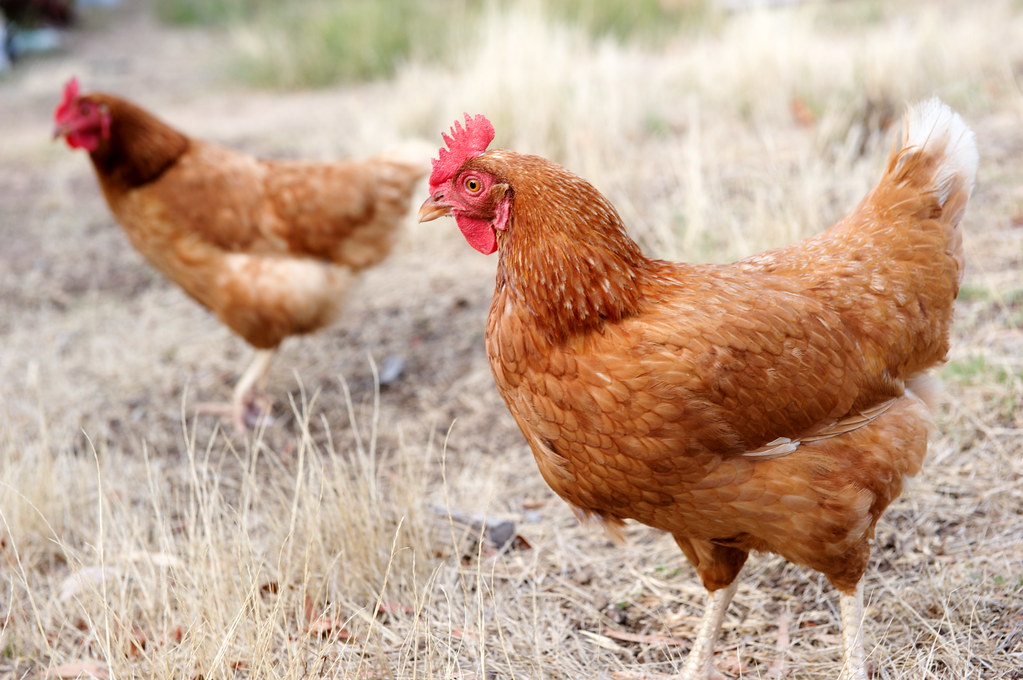
Egg labels are a minefield. "Free-range," "cage-free," "pasture-raised," "barn-laid," "organic", they sound interchangeable, they often appear on cartons that all cost roughly the same, and they measure very different things. The goal of this article is to cut through the confusion and leave you with a clear mental model of what "organic" actually adds on top of the welfare labels people are used to.
Start with the baseline
Most of the egg world in the EU and the UK sorts into four welfare categories, printed as a number on each egg:
- 3, Cage eggs. Hens live in "enriched" cages. Still legal in most of Europe, though phasing out. Minimum movement, no outdoor access, tight space.
- 2, Barn eggs. Hens move freely inside a large barn but never go outside. No cages. More space.
- 1, Free-range. Hens live in a barn with daytime access to an outdoor area. Minimum space per bird is defined by law.
- 0, Organic. All of free-range's requirements, plus the organic rules on feed, medication, and land.
So organic eggs are a superset of free-range: every organic egg is at least free-range, but not every free-range egg is organic. This is the mental model that resolves most label confusion.
What organic adds on top of free-range
Under EU Regulation 2018/848, organic eggs must meet everything free-range requires, and additionally:
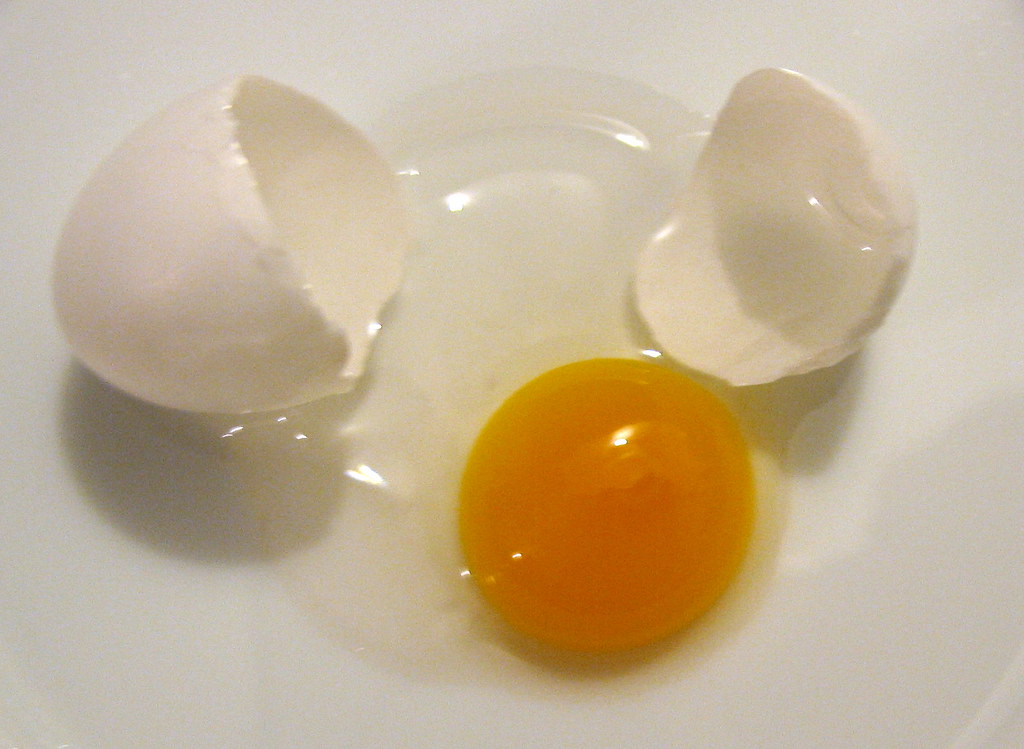
- Organic feed. Every grain and pulse the hen eats must be certified organic. No GMO feed, no synthetic amino acids, no antibiotic growth promoters. Iron oxide pigments and synthetic yolk-colorants are banned, which is why some organic yolks are paler than conventional ones, because the carotenoids come only from what the hen actually ate.
- Lower flock density. Organic rules cap the number of hens per square meter of indoor space (typically around 6 per square meter), and the outdoor run must have a minimum space per bird as well (around 4 square meters per hen outdoors, though this varies slightly by certifier).
- No beak trimming as a routine practice. Some certifiers forbid it entirely; others allow it only in specific circumstances with certifier approval. Conventional free-range flocks are often beak-trimmed to prevent feather pecking in large, dense flocks.
- Strict rules on medication. Routine preventive antibiotics are forbidden. A sick hen can be treated with conventional medicine if welfare requires it, but the eggs from that hen are held out of the organic supply chain for a withdrawal period typically double the standard legal minimum.
- Outdoor access, for real. The outdoor area must actually be accessible for the hen's whole daytime hours when weather allows, and the flock must actually use it, not just have a door that opens.
- Rotation of the outdoor run. The land the hens range on can't become bare, compacted, nitrogen-saturated dirt. Good organic egg farms rotate the flock across paddocks to let the ground recover.
What about "pasture-raised"?
"Pasture-raised" is a marketing label, not a legal one, in most jurisdictions. It's used to imply something stronger than organic, a flock that lives most of its life outside on real grass, but there's no single definition and the enforcement depends on whoever is certifying the claim. Some pasture-raised eggs are organic too; some aren't. Check the cartons for both labels, and don't assume one implies the other.
The feed is most of the difference
If there is one thing that matters most in an organic egg, it's the feed. The organic feed rule is strict enough that an organic flock is effectively impossible to run without a committed feed supply chain, and the quality of the yolk and the flavor of the egg reflect the feed more directly than almost any other variable. A hen on a varied organic feed plus real outdoor foraging will produce an egg that tastes better than the same breed on commodity organic pellets, and both taste better than a standard cage egg by a noticeable margin in a side-by-side.
Iceland's egg reality
Iceland has a small egg industry, a handful of producers, mostly serving the domestic market. Organic eggs are available but not universal; most Icelandic eggs are free-range or barn-laid rather than organic, because the short summer limits usable outdoor range days and the cost of certified organic feed (most of which must be imported) is high.
That doesn't make the eggs bad. Icelandic egg welfare rules are already among the stricter in Europe, and "free-range" here often means access to a real outdoor area in a climate where that's genuinely used by the birds. Organic adds a clear additional layer, especially on feed, but the baseline is not as low as it is in some much larger producing countries.
What to look for on a carton
- The "0" stamp on each egg. If the egg itself has a "0" laser-printed on it, it's organic. "1" is free-range, "2" is barn, "3" is cage.
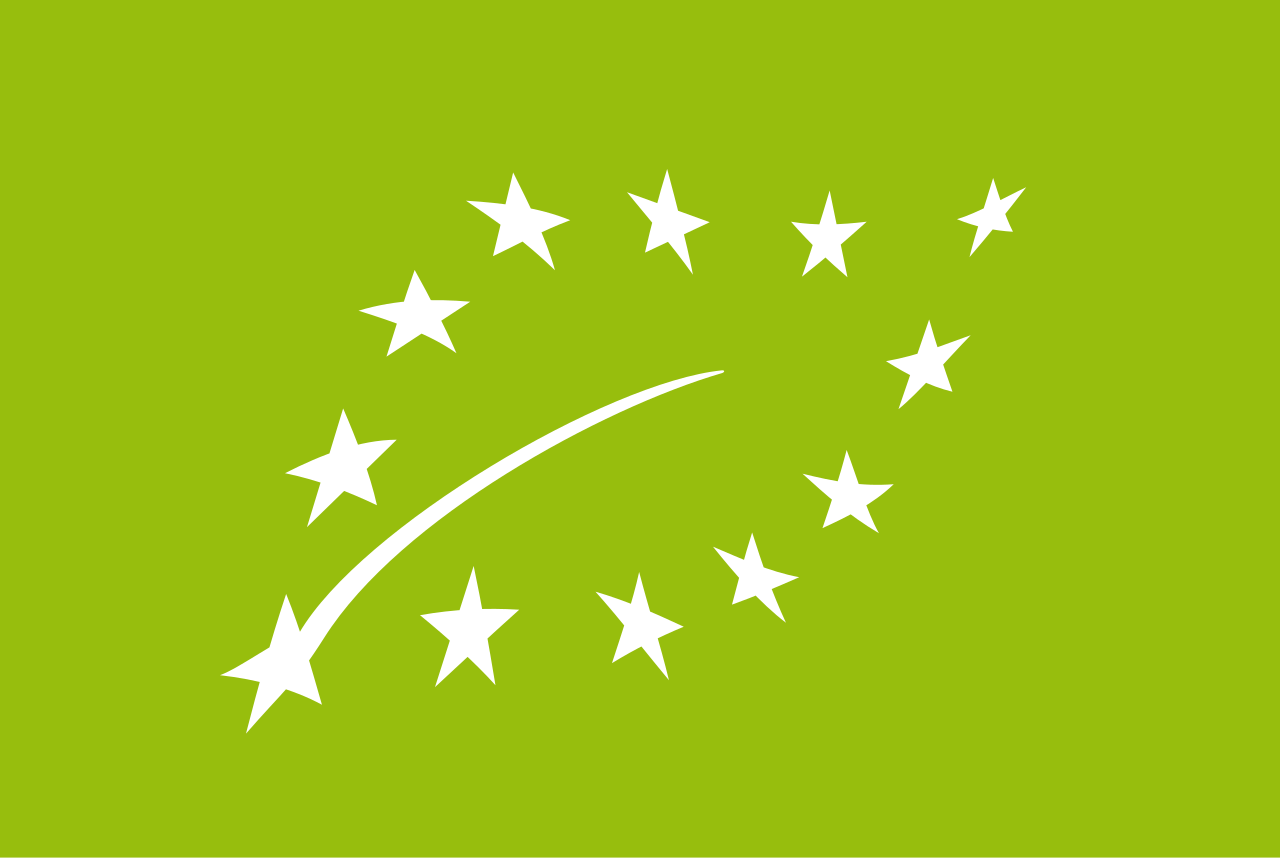
- The EU organic leaf or TÚN logo on the carton. Redundant with the "0" stamp, but a confirmation.
- The producer name. A small, named producer is often a signal that the flock is managed rather than commodity-scaled.
- Best-before date. A fresh egg is better than an old egg regardless of welfare, and organic eggs are usually labeled with honest dates rather than optimistic ones.
A final calibration. An organic egg is not a magical egg. It's an egg from a hen that ate organic feed, lived at a lower density, actually used the outdoor run, and was not given routine antibiotics. Whether that matters to you is a question of values and budget, but it is at least a label you can trust to mean what it says, which is more than most welfare claims on the shelf can promise.
Keep reading
More from our library on products.
How organic milk, cheese, and butter are actually made
A walk from the pasture to the carton, what organic certification actually requires of a dairy farm, and how the Icelandic version differs from the continental one.
ReadOrganic meat and what the label guarantees about animal welfare
What an organic label does and doesn't promise for beef, lamb, pork and poultry, and where Icelandic lamb sits on the welfare spectrum already, with or without the certification.
ReadOrganic grains and bread, from field to loaf
How organic grain farming actually works, why rotation is the whole game, and what "organic bread" really guarantees once the grain leaves the field.
Read