Organic fruit, the hardest category
Why fruit is the single most challenging thing to grow organically, where the rules bend, and how to read a fruit label honestly.
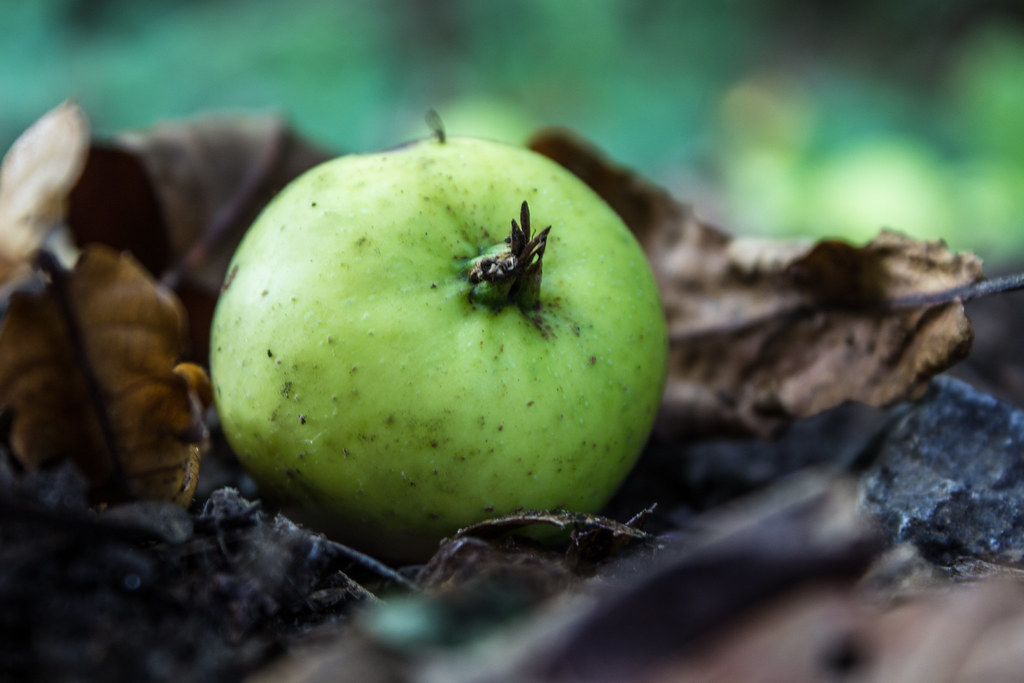
Ask any organic grower which category is the hardest and most will answer, without hesitation, fruit. Vegetables have rotations that reset the field each year. Grains can be replanted after a bad season. A fruit tree is a ten-to-thirty-year commitment to the same spot of ground, under the same pest pressure, with no way to rotate your problems away. This is why fruit is where organic's compromises show most clearly, and why honest fruit labels are worth reading carefully.
Why fruit is so much harder
Three things make fruit the tough category:
1.
Perennial plants can't rotate
A strawberry bed can be moved every few years. An apple orchard is stuck where it was planted, which means fungal diseases and insect pests that find the orchard early will be there for the tree's entire productive life. The organic grower has to build every defence in place, around a target that can't run.
2.
Pest windows are narrow and high-stakes
A codling moth caterpillar in an apple makes the apple unsellable. A scab lesion on a pear makes the pear unsellable. There is no grading a fruit crop the way you can grade wheat, a blemished fruit is a reject. So the grower's margin for error is thin, and the temptation to reach for the approved-but-aggressive end of the organic spray list is real.
3.
Fruit is wet
Most fruit disease is fungal, and fungus loves water. An apple tree in a humid maritime climate, which is most of northern Europe including Iceland's tiny fruit-growing fringe, is fighting scab, powdery mildew, and brown rot all summer. Conventional growers spray synthetic fungicides every 7-14 days in a wet year. Organic growers don't have that option.
What's in the organic fruit toolkit
An organic fruit grower has a specific set of tools, each with tradeoffs:
- Variety choice. The single most powerful tool. A scab-resistant apple variety (Liberty, Topaz, Santana) can be grown organically with very few fungicide sprays. A susceptible heirloom variety (Cox, Gala) is a fungicide treadmill. Serious organic orchards replant around resistance.
- Sanitation. Raking up fallen leaves and fruit in autumn to break the disease cycle. Labor-intensive, unglamorous, and more effective than most sprays.
- Pheromone disruption. For codling moth and other pests, traps release a female hormone that confuses males and prevents mating. Expensive, effective, and widely used in organic orchards.
- Copper and sulfur sprays. Both are allowed under EU organic rules, both have strict use limits, and both are the subject of ongoing debate. Copper accumulates in soil. Sulfur is gentler but less effective. The EU has been slowly reducing the allowed copper cap every few years, and many organic growers support the reduction even though it makes their jobs harder.

- Beneficial insects. Ladybirds, lacewings, parasitoid wasps, released into the orchard or encouraged through hedgerows and flowering strips.
- Kaolin clay. A fine white clay sprayed on leaves as a physical pest barrier. Looks strange, works reasonably well, harmless to eat.
A well-run organic orchard is a long list of these tools in rotation, none of them a silver bullet.
The yield reality
Organic fruit yields are, on average, lower than conventional yields, sometimes by a little, sometimes by a lot, depending on the crop and the year. A wet spring can halve an organic apple crop while leaving the conventional orchard next door mostly intact. This is the honest reason organic fruit is often expensive: the grower is paying for the loss.
Berry crops are a particular story. Organic strawberries, raspberries, and blueberries are commercially viable in many places, but the grower's margins are thin and the shelf life is short. This is why you often see organic berries sold fresh and local, or processed into jam, but rarely as the cheap bulk frozen category.
What "organic" does and doesn't guarantee on fruit
"Organic" on a piece of fruit means:
- The orchard or farm has been certified for at least three years before the first organic harvest
- No synthetic pesticides, herbicides, or fertilizers were used
- Any sprays were from the approved organic list, within the allowed limits, and documented
- If the fruit is processed (juice, jam, dried), the processing followed the organic handling rules
- No GMO
It does not mean:
- That the fruit is free of all pesticide residue (copper sulfate is still a residue)
- That the fruit was grown locally
- That the orchard is old or traditional
- That the fruit is the best-tasting option available
Those are separate questions, all worth asking.
A note on Iceland
Iceland is not a fruit-growing country. Apples, pears, and stone fruit struggle in the climate; commercial orchards are essentially non-existent. The fresh fruit on Icelandic shelves is almost all imported. Organic imported fruit is a real option, and the EU organic leaf applies to imports that meet EU organic rules.
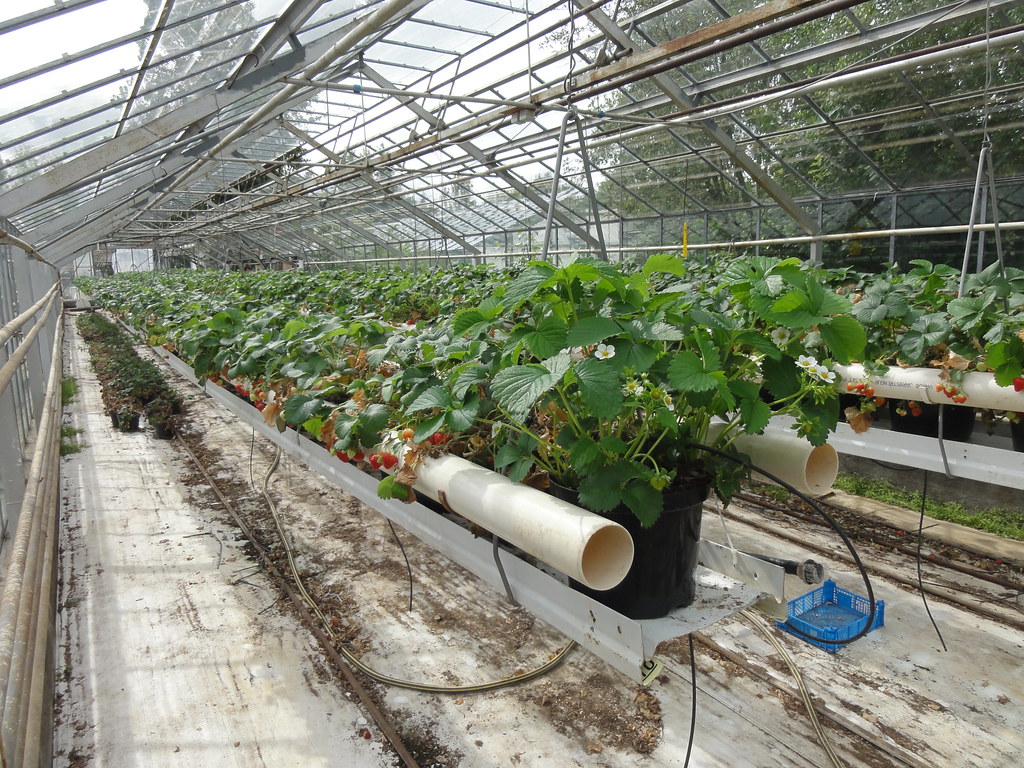
One small exception: Icelandic greenhouse strawberries exist. A few producers grow them under geothermal heat in the dead of winter. When you find them, organic or not, they are one of the country's quieter pleasures.
What to look for on a label
- The EU organic leaf, and the certifier code (e.g. "IS-ÖKO-401" for Iceland-certified; other codes for imports)
- Country of origin, a Spanish organic apple in February is still a Spanish organic apple
- Variety names, especially for apples and pears, where variety is a strong quality signal
- Short ingredient lists on processed organic fruit (jam, compote, juice), real organic jam is four ingredients, not fifteen
Fruit is the category where organic is hardest and where honest organic growers earn the label most clearly. It is also the category where a shopper pays for the grower's commitment most directly. Both are worth knowing before you reach into the bowl.
Keep reading
More from our library on products.
How organic milk, cheese, and butter are actually made
A walk from the pasture to the carton, what organic certification actually requires of a dairy farm, and how the Icelandic version differs from the continental one.
ReadOrganic meat and what the label guarantees about animal welfare
What an organic label does and doesn't promise for beef, lamb, pork and poultry, and where Icelandic lamb sits on the welfare spectrum already, with or without the certification.
ReadOrganic grains and bread, from field to loaf
How organic grain farming actually works, why rotation is the whole game, and what "organic bread" really guarantees once the grain leaves the field.
Read