How to spot organic at the store
A practical field guide to certification logos, PLU codes, labeling tiers, and the everyday greenwashing traps. Worth memorizing before your next grocery run.
You shouldn't need a law degree to know what you're buying. This is the short practical field guide Organica would hand you at the door.
Step 1,
Look for a real certification logo
If a food product is legitimately organic, it will carry a recognized certifier's mark. These are the ones to actually trust:
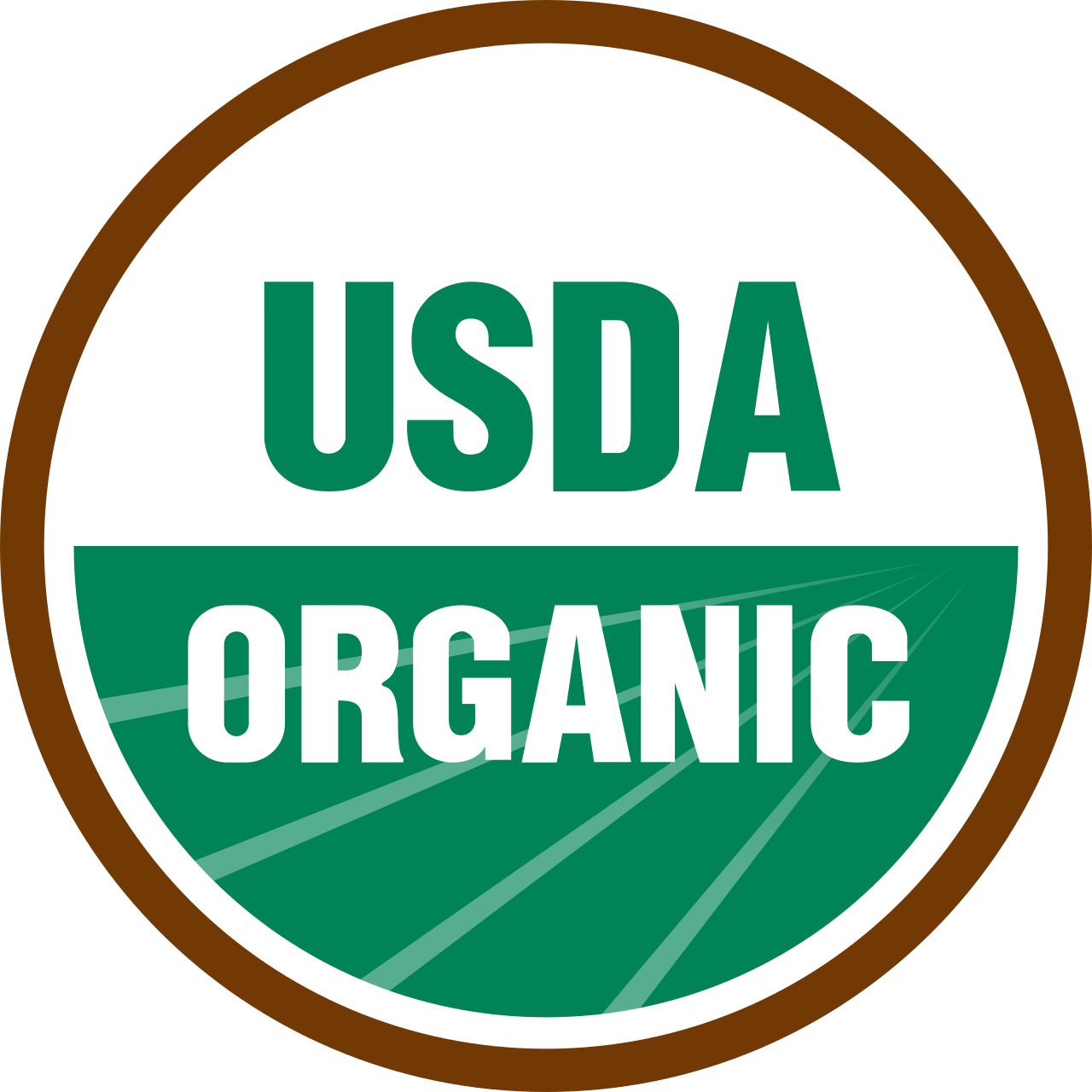
- USDA Organic, the round green-and-white seal. US standard.
- EU Organic leaf, twelve white stars shaped into a leaf on a green background. EU standard, used in Iceland too.

- TÚN Vottun, Iceland's domestic mark, aligned with the EU standard.
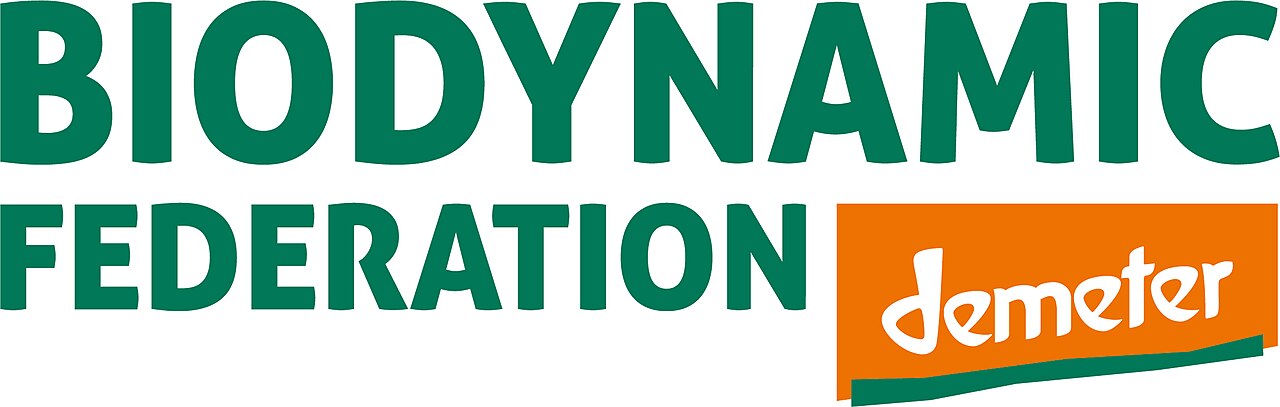
- Demeter, biodynamic, stricter than ordinary organic. If you see this, the product is also organic.
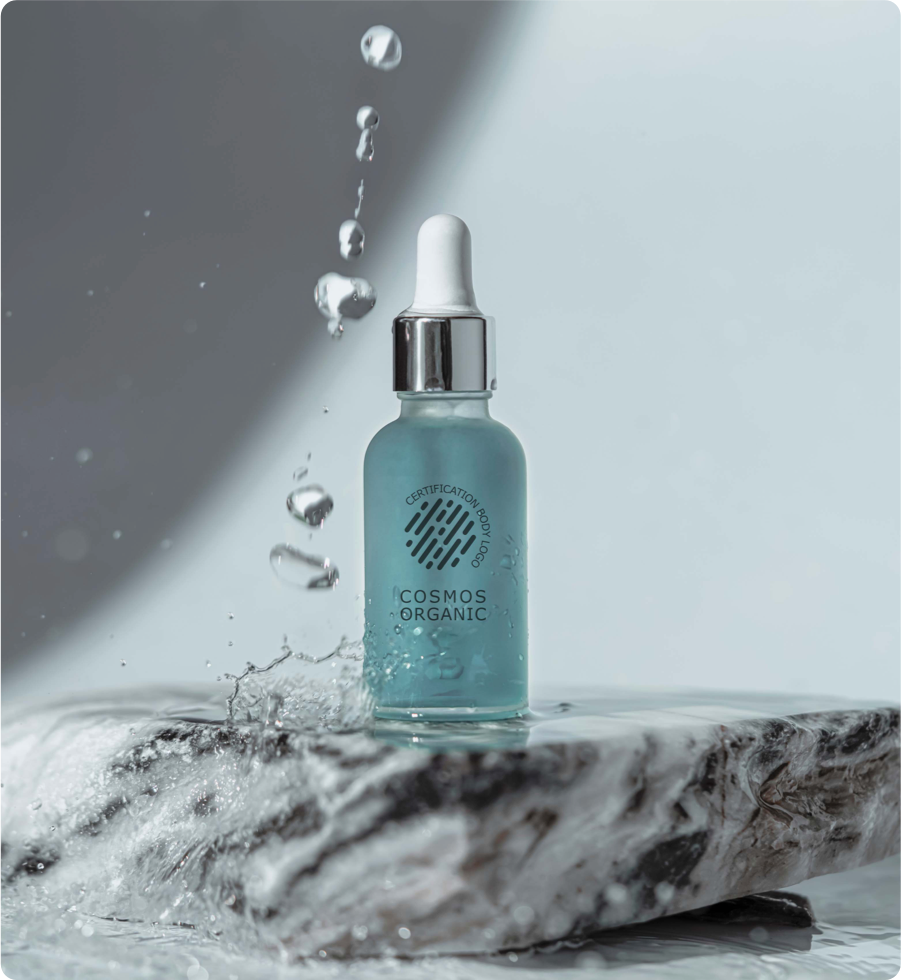
- COSMOS, ECOCERT, NATRUE, credible third-party certifications for organic cosmetics, where the rules are weaker than for food.
- GOTS, the Global Organic Textile Standard, for clothing and fabric.

A lookalike "natural" leaf logo that isn't one of these means nothing. Always check the certifier's name.
Step 2,
Read the label tier
Organic food in the EU, Iceland, and the US uses the same three-tier labeling rule. Which tier a product is in matters:
- "100% organic", every single ingredient is certified organic. Can display the certifier logo.
- "Organic", at least 95% of the ingredients by weight are certified organic. Can display the certifier logo.
- "Made with organic [ingredient]", at least 70% organic. Cannot display the main certifier logo. Can only say which specific ingredients are organic.
Below 70%, a product cannot use the word "organic" on the front of the package at all. It can only list organic ingredients individually in the ingredient panel.
If a package says "organic" everywhere on the front but doesn't carry a certifier logo, something is wrong. Walk away.
Step 3,
Check the PLU code on loose produce
The little sticker on a loose piece of produce has a number. That number, the PLU code, tells you something useful:
- Starts with 9, grown organically. An organic banana is 94011. An organic Fuji apple is 94131.
- Starts with 4, grown conventionally. A conventional banana is 4011.
- Starts with 8, was intended for genetically modified produce but was essentially never adopted in practice; you can safely ignore it.
This is a useful shortcut when you're in a hurry.

The greenwashing trap list
These phrases are legal, common, and not organic. Do not mistake them for each other:
- "Natural", has no legal definition at all. Anyone can use it.
- "Pesticide-free", not certified. Might mean nothing at all.
- "Farm fresh", marketing.
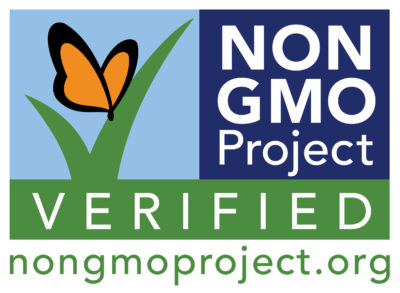
- "Non-GMO", a real thing, but it's only one of the rules organic covers. Non-GMO alone is not organic.
- "Cage-free", a welfare claim about housing. Has nothing to do with feed, antibiotics, or organic status.
- "Free-range" or "pasture-raised", welfare claims about outdoor access. Often overlap with organic but are not the same standard.
- "Locally grown", about distance, not about how the food was grown.
- "Artisanal", about style, not about rules.
- Any unregulated "green leaf" logo that isn't one of the certifications listed above.
The shortcut
If you only remember one thing: look for the certifier logo and the certifier name, then look at the ingredient tier. If either is missing, you're probably looking at marketing. Everything else on the package is optional decoration.
What to prioritize if budget matters
You don't have to buy everything organic. If your budget is tight and you want the biggest gain from each euro you spend, focus on the thin-skinned, heavily sprayed crops that show up highest on conventional pesticide residue testing:
- Strawberries, spinach, kale, grapes, apples, bell peppers, cherries, peaches.
And save your money on these, which show very low residue loads conventionally:
- Bananas, onions, avocados, sweetcorn, asparagus, cabbage, kiwi, pineapples.
That's it. That's the whole field guide. Five minutes of reading that will save you a lifetime of being tricked by a pretty leaf on a non-organic package.
Keep reading
More from our library on practical.
The Complete Guide to Organic Certification Logos
USDA, EU leaf, Demeter, JAS, Tun, what every organic logo means, who issues them, and how to verify they're legitimate.
ReadWhat 'organic' actually means
The word 'organic' on a label isn't marketing, it's a legal standard. Here's what certifiers like the USDA, the EU, and Iceland's TÚN actually require before a product can use it.
ReadGOTS vs. OEKO-TEX: What Textile Labels Really Mean
Two logos everyone confuses. One certifies organic. The other certifies the absence of harmful substances. The difference matters.
Read